
Looking for a leaner, more nutrient-dense option for weeknight meals and weekend grilling? Grass fed ground beef delivers rich beef flavor and a different nutrient profile than conventional ground, because cattle raised on pasture tend to produce leaner meat with higher levels of certain vitamins and omega-3s. That makes this product a smart choice for cooks who want great taste and better nutrition.
Because grassfed ground is usually leaner, it requires slightly different handling than fattier ground blends cook it with care to avoid dryness and to lock in flavor. Simple techniques will help you get juicy burgers, flavorful tacos, and hearty chilis every time.
Read on for practical shopping tips, stovetop and oven methods, and quick recipes that make the most of grass fed ground beef from seasoning and storage to where to find good deals and the best pasture-raised products near you.
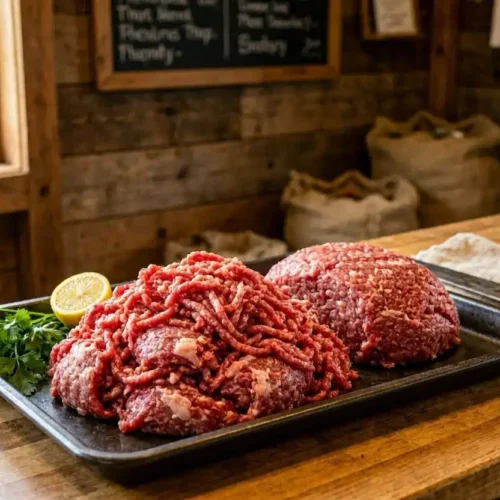
1. Finding Grass Fed Ground Beef Near Me: Shopping Guide

Finding quality grass fed ground beef is easier today many grocery chains, specialty shops, and local farms sell pasture-raised products. Below are practical places to check and a short checklist to help you shop smart.
Grass Fed Ground Beef Chili
Equipment
- Dutch oven or large soup pot, wooden spoon, chef's knife, cutting board, measuring cups, measuring spoons, can opener, ladle.
Ingredients
- 1 pound 450 g grass-fed ground beef
- 1 tablespoon olive oil optional, for lean beef
- 1 medium yellow onion diced
- 2 cloves garlic minced
- 1 medium bell pepper diced (optional)
- 1 medium carrot finely diced (optional)
- 1 tablespoon tomato paste
- 1 14-ounce can diced tomatoes
- 1 15-ounce can kidney beans, drained and rinsed
- 1 15-ounce can black beans, drained and rinsed
- 1 cup beef broth
- 1 –2 tablespoons chili powder
- 1 teaspoon ground cumin
- 1 teaspoon smoked paprika
- ½ teaspoon dried oregano
- Salt to taste
- Black pepper to taste
- Optional Garnishes
- Fresh parsley
- Chopped cilantro
- Green onions
- Avocado slices
- Low-fat shredded cheddar cheese
- Plain Greek yogurt
- Lime wedges
Instructions
- Heat olive oil in a large Dutch oven or heavy-bottomed pot over medium heat.
- Add the onion, garlic, bell pepper, and carrot. Cook for 5–6 minutes until softened.
- Add the grass-fed ground beef and cook for 6–8 minutes, breaking it into small crumbles until browned.
- Stir in the tomato paste and cook for 1 minute.
- Add the diced tomatoes, kidney beans, black beans, and beef broth.
- Season with chili powder, cumin, smoked paprika, oregano, salt, and black pepper.
- Stir well and bring to a gentle boil.
- Reduce heat to low, cover partially, and simmer for 30–45 minutes, stirring occasionally.
- Taste and adjust seasoning before serving.
- Garnish with parsley, cilantro, avocado, or a sprinkle of low-fat cheddar cheese if desired.
Notes
- Grass-fed ground beef is leaner than conventional beef, so avoid overcooking to keep it juicy.
- Add extra beef broth if the chili becomes too thick during simmering.
- For a spicier chili, add cayenne pepper or diced jalapeños.
- The flavor improves after resting overnight.
- Freeze individual portions for up to 3 months.
Storage
Refrigerator: Store in an airtight container for up to 4 days. Freezer: Freeze for up to 3 months. Reheating: Warm gently on the stovetop over medium-low heat or microwave until hot, adding a splash of broth if needed.Nutrition (Approximate per Serving)
- Calories: 340 kcal
- Protein: 29 g
- Fat: 14 g
- Saturated Fat: 5 g
- Carbohydrates: 24 g
- Fiber: 8 g
- Sugar: 5 g
- Cholesterol: 65 mg
- Sodium: 620 mg
- Potassium: 760 mg
- Calcium: 70 mg
- Iron: 4.8 mg
Local Grocery Store Options for High Quality Ground Beef
Major grocery stores and natural-food sections now often carry labeled grass fed or organic options. When you shop, scan the meat case for “grass-fed,” “100% grass-fed,” or brand claims about pasture finishing. Use the store’s app or website to search inventory and prices before you visit, and ask the butcher about the product’s origin and finishing practices.
If your store has an organic or specialty aisle, you’ll usually find pasture-raised choices there—look for clear product labeling and trusted brands with transparent sourcing.
Specialty Butcher Shops and Farmers Markets
Butcher shops and farmers markets are great when you want the freshest ground or to buy direct from the farm. These sellers often carry truly pasture-raised ground beef and can answer questions about herd management and feed. Examples of farm brands are commonly found regionally if you see names like Helstrom Farms or Bachman Family Farms in store listings, confirm availability and pack sizes before heading out.
Shopping local supports farms and gives you the chance to ask about finishing (grass-finished vs. grain-finished) so you know exactly what you’re buying.
What to Look for on Labels for Organic Grass Fed Beef
Label checklist:
- “Grass-fed” = cattle that ate grass—ask whether they were grass-finished.
- “100% grass-fed” or “grass-finished” = finished on pasture only (preferred for true pasture flavor).
- Organic certification = additional standards for feed and antibiotics.
- Labels noting “no hormones” or “antibiotic-free” help confirm animal-care practices.
When in doubt, ask the retailer for sourcing details or look up the farm online. If you need products shipped, check shipping terms and vacuum-sealed pack sizes to maintain freshness. And if you ever encounter odd site messages like a “page blocked extension” while shopping online, try disabling browser extensions or check the store’s help page to complete your order.
With these tips—searching store apps, asking butchers, and checking labels you’ll be better equipped to find pasture-raised grass fed ground beef that fits your budget and standards.
2. Grass Fed Ground Beef Nutrition & Protein: What Makes It Special
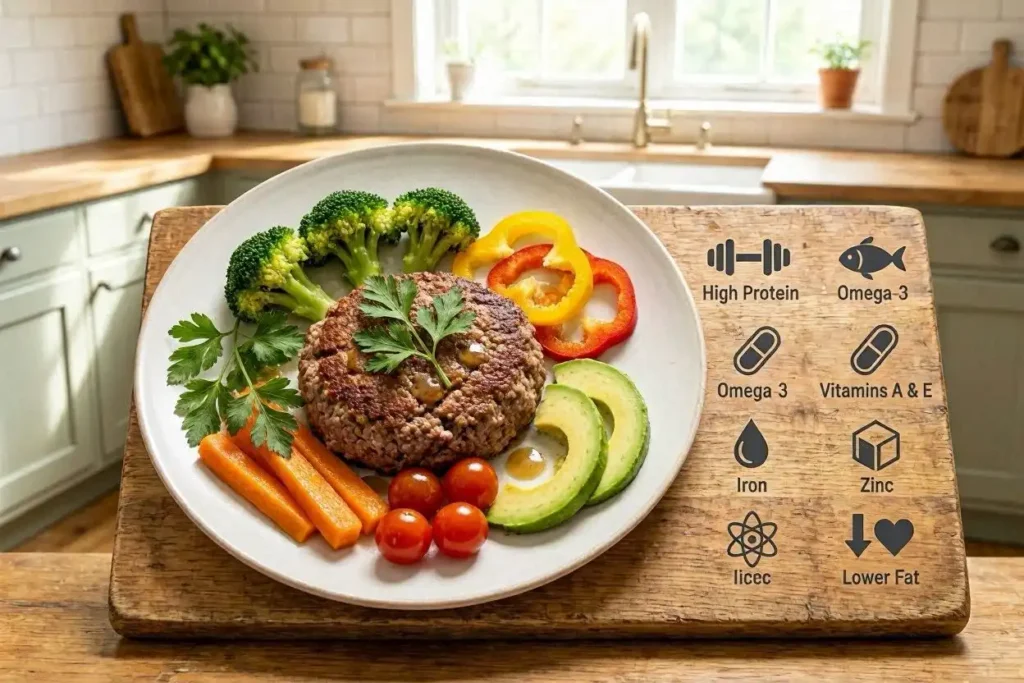
Grass fed ground beef stands out nutritionally because cattle raised on pasture tend to produce leaner meat with a slightly different nutrient profile than grain-fed animals. That can mean fewer calories per serving and higher levels of certain nutrients, depending on the cut and farming practices.
Protein Content and Health Benefits
Like other ground beef, grassfed ground beef is a good source of complete protein. Calorie and fat content vary by lean/fat ratio and cut, but many grass-fed cuts are leaner overall. Studies also report higher average levels of omega-3 fatty acids in grassfed beef compared with conventional grain-fed beef exact ratios vary by production system, so look for labeled nutrition facts for specific products.
Vitamins and Minerals in Pasture Raised Beef
Pasture raised beef often contains higher concentrations of some fat soluble vitamins and antioxidants commonly reported increases include vitamins A and E and certain carotenoids. The amounts depend on forage, season, and animal diet, so values can vary between farms and products.
Why Hormone-Free Beef Matters
Choosing beef labeled hormone-free or antibiotic-free can help avoid added growth hormones and reduce concerns about routine antibiotic use. Those labels reflect animal-care practices rather than guaranteed nutritional differences, so check certification details. If you have specific health concerns—such as managing cholesterol or blood sugar consult nutrition guidance or a healthcare professional to see how lean beef fits your plan.
3. Where to Buy Grass Fed Ground Beef: Retail Options, Costco Picks & Price Compared
You can find grass-fed ground beef at a range of retailers from big warehouse clubs to discount grocers and farm-direct sellers. Below are practical buying options and tips for comparing price and convenience so you can choose the right product for your budget and menu plans.
Costco Grass Fed Ground Beef: Selection and Pricing
Costco often carries multi-pound packs of organic or grass-fed ground beef, which makes it a go-to for families who want value. Typical benefits:
- Multi-pound packs: Convenient for batch cooking and freezing.
- Lower unit price: Buying in bulk at warehouse stores frequently reduces price per pound compared with single packs.
- Consistent availability: Larger retailers tend to have steady product rotation and quality controls.
Tip: Check your local Costco’s online inventory or weekly circular for current pricing and membership rules before you shop.
Aldi Grass Fed Ground Beef Options
Aldi provides an accessible option for shoppers who want pasture-raised or labeled grassfed products without a membership fee. Aldi strengths include:
- Competitive sale prices: Aldi’s frequent rotations and low overhead often mean lower sale prices.
- Small-pack convenience: Handy for households that don’t need bulk.
- Widespread locations: Easy to find stores in many regions.
Watch store ads for occasional sales on grassfed products, and compare the per-pound price to warehouse options if you’re weighing cost vs. convenience.
Buying Bulk Ground Beef and Wholesale Beef Options
If you use a lot of ground beef, bulk purchases or farm-direct orders can save money per pound. Consider these routes:
- Wholesale programs: Some farms and co-ops sell bulk beef by the quarter or half carcass at a lower price per pound.
- Farm-direct packages: Farms often offer vacuum-sealed 1 lb packs (good for freezing). Confirm pack sizes and shipping terms before ordering.
- Price comparison: Factor in shipping or handling fees when ordering online—sometimes free shipping promotions or minimum order discounts apply, but compare final shipping orders to local store sale prices.
Before you buy bulk, calculate your per-pound cost after shipping and storage materials. If you need help finding local producers, search store apps or farm directories and read product pages so you can compare sale prices and quality. Buying in bulk or from trusted farms can be a smart way to get high-quality, 100 grass-fed or grass-finished meat at a lower long-term cost.
4. Grass Fed Ground Beef 93/7: Understanding Lean Ratios & Protein Content
The 93/7 lean-to-fat ratio gives you a very lean ground beef that still carries real beef flavor—great when you want high protein with less saturated fat. This blend is popular with health-minded cooks and works well in recipes where the meat is combined with other ingredients or served with sauces.
Use 93/7 when you want a lighter plate but still want the taste of beef. It’s a good choice for quick skillet meals, stuffed vegetables, and recipes that call for small, flavorful portions rather than a greasy finish.
- Lettuce wraps — bright, crisp, and low-carb.
- Stuffed bell peppers — combine with grains and herbs for moisture and texture.
- Lean meatballs — add egg and breadcrumbs to bind and keep them tender.
- Skillet meals — finish with a splash of broth or a pat of butter for richness.
Handle lean ground beef gently: cook over medium-low to medium heat, add a little olive oil or butter to the pan if needed, and avoid overworking the meat when forming patties or meatballs. Because lean blends like 93/7 have less fat, they can dry out faster than an 80/20 blend—if you want juicier burgers or steaks-style patties, consider an 80/20 or mixing in a small amount of a higher-fat blend.
5. How to Cook Grass Fed Ground Beef on the Stovetop
Unlock the best flavor and texture from grass fed ground beef with a few simple stovetop techniques. Because grassfed ground is often leaner than conventional ground, small adjustments temperature, fat, and timing make a big difference in the final result.
Breaking Down the Beef Properly
Start with a hot skillet and a dry or lightly oiled surface. Add the ground beef and let it sit for 20–30 seconds before you touch it, then use a wooden spoon or spatula to break it into even pieces. Crumble the meat as it cooks rather than pressing it flat this prevents compacting, encourages browning, and keeps the texture light.
Achieving the Perfect Brown for Maximum Flavor
For best browning, cook over medium to medium-high heat for a short time to build a crust, then reduce to medium-low to finish. Let sections of the meat sear undisturbed for 1–2 minutes before stirring so natural sugars caramelize. If you’re cooking 1 lb for taco meat or a pasta sauce, expect 6–8 minutes total to brown and finish (times vary by pan and stove).
Preventing Dryness in Lean Meat
Because lean grass fed ground beef can dry out faster, add a tablespoon of olive oil or butter to the pan before or during cooking to help retain moisture. Stir in minced onion or a splash of broth, tomato sauce toward the end of cooking to add juiciness and flavor. If the cooked meat seems dry, a short simmer with a little stock or sauce will rehydrate it without masking the beef’s natural flavor.
Troubleshooting tip: if your ground beef is turning out tough or crumbly, lower the heat, add a small amount of fat or liquid, and avoid over-stirring. These stovetop adjustments will help you get juicy taco meat, rich pasta sauces, or any skillet meal that highlights the quality of grass fed ground beef.
6. Slow Cooker Method for Grass Fed Ground Beef
Slow cooking is a forgiving way to get tender, flavorful results from grass fed ground beef—especially useful for busy weeknights or meal prep. A little upfront work and the right liquid will keep lean beef moist and let flavors fully develop.
Setting Up Your Slow Cooker for Best Results
Lightly brown the beef on the stovetop first to build flavor, then transfer it to the slow cooker. After browning, deglaze the pan with a splash (1/4 to 1/2 cup) of broth, or stock to capture browned bits, and pour that into the slow cooker for added depth.
To keep the beef moist, add about 1 to 2 cups of liquid per 2 pounds of meat depending on the recipe. Good options:
- Broth or stock for a neutral base
- Tomato-based sauces for chili or pasta-style dishes
- Caramelized onions or a small amount of tomato paste for natural sweetness and body
Cooking Times and Temperature Guidelines
Use low for 6–8 hours or high for 3–4 hours as a general guideline; exact times vary by slow cooker and the lean/fat ratio of your beef. Leaner grassfed mixes may need careful timing—check texture an hour before the end time to avoid overcooking.
Recipes That Work Best with This Method
Slow cookers shine with dishes that benefit from long simmering and layered flavors. Try:
- Hearty chili—letting spices and tomatoes meld for rich depth
- Stuffed pepper soup—comforting and easy to portion
- Meat sauces for pasta—simmer low and slow for best flavor
Pro tip: finish with fresh herbs or a squeeze of acid (lemon or vinegar) to brighten flavors right before serving. Slow cooking turns grassfed beef into melt-in-your-mouth dishes without constant attention.
7. Oven Roasting Techniques for Grass Fed Ground Beef
Oven roasting is an excellent option for prepared dishes like meatloaf, stuffed vegetables, and baked meatballs—especially when you want hands-off, evenly cooked results that highlight natural beef flavor. A few preparation and timing tips prevent drying and keep those dishes tender.
Preparing the Beef for Roasting
Mix grass-fed ground beef gently with binders (egg, breadcrumbs, or cooked grains) and seasonings; avoid overworking the meat to prevent toughness. For very lean mixes, consider adding a small amount of olive oil, grated onion, or a tablespoon of butter to the mix to boost moisture and mouthfeel.
Temperature and Timing Guidelines
Preheat the oven to about 375°F (190°C) for most meatloaf and baked meatball recipes. Because lean blends can cook faster, check doneness earlier than you might expect. Use an instant-read thermometer for accuracy—target an internal temperature of 160°F (71°C) for ground beef per USDA guidance.
Checking for Doneness Safely
Insert the thermometer into the thickest part of the roast or meatloaf (avoid touching bone or pan). After the meat reaches 160°F, remove it from the oven and let it rest for 8–10 minutes; resting helps the juices redistribute and improves texture. For meatloaf, tent loosely with foil during resting to keep it warm and moist.
8. Making Perfect Grass Fed Ground Beef Burgers
Great grass fed ground beef burgers come down to two things: the right blend and gentle handling. With quality ground beef and a few simple techniques, you can get juicy, flavorful beef patties that showcase the meat’s natural character.
Creating the Best Meat Mix for Burgers
For burgers, many cooks prefer an 80/20 or 85/15 lean-to-fat ratio for a balance of flavor and juiciness; if you want to keep it leaner but still moist, try a 93/7 for smaller patties or mix a little higher-fat ground in for burgers. Tips:
- Buy high-quality grass fed ground beef or a blended mix labeled for burgers.
- Handle the meat as little as possible — gently fold in any seasonings or add-ins to avoid dense patties.
- Consider adding a tablespoon of finely chopped onion, a teaspoon of olive oil, or a small amount of grated fat if your blend is very lean.
Seasoning Your Patties Like a Pro
Keep seasoning simple so the beef flavor shines through. Salt and freshly cracked black pepper are essential — season just before cooking to preserve juiciness. Flavor variations to try:
- Garlic powder or minced fresh garlic for savory depth
- Smoked paprika for a subtle smoky note
- Fresh herbs like parsley or thyme for brightness
Less is usually better — you want the grassfed beef’s natural flavor, not to mask it.
Grilling vs Pan-Searing Methods
Both methods work well; choose based on equipment and desired crust:
- Grilling: Preheat to medium (around 375–400°F). Cook patties 3–4 minutes per side for medium, depending on thickness. Close the lid between flips to develop a good sear without overcooking.
- Pan-Searing: Use a hot cast-iron skillet for a caramelized exterior. Sear 3–4 minutes per side, then lower heat to finish if needed. A small pat of butter or a drizzle of oil in the pan helps with browning.
Avoid pressing down on patties while they cook — that squeezes out juices. After cooking, rest patties 5–10 minutes so juices redistribute. If you prefer steak-like results, consider slightly thicker patties and watch internal temperature closely to reach your desired doneness.
Try a quick blend and compare: buy a small pack of grassfed beef, shop for a sale or good-priced product to test, and experiment with lean blends versus an 80/20 to find the perfect burger for your taste and budget.
9. Grass-Fed Ground Beef Recipes: From Pasta to Chili
Grass-fed ground beef is versatile and flavorful—use it anywhere you’d use regular ground beef, from weeknight pasta to slow-simmered chili. Below are simple techniques and a short recipe example to get you started.
Building Flavor with Ground Beef Chuck in Pasta Sauces
Ground beef chuck (when available as a grassfed option) offers a bit more fat for richness, which works well in tomato sauces. To build flavor:
- Sauté aromatics: Start with 1 medium onion and 2–3 cloves garlic, cooked until soft.
- Brown the meat: Add 1 lb grassfed ground beef and brown, breaking into pieces.
- Deglaze: Pour 1/2 cup broth to lift browned bits.
- Simmer: Stir in a 28-oz can crushed tomatoes and simmer 30–45 minutes to meld flavors.
Tip: add a splash of cream or a knob of butter at the end for extra silkiness if your sauce tastes a bit lean.
Simple Steps for Hearty Chili
Chili is forgiving and highlights beef flavor—try this quick approach:
- Brown the beef: Sauté 1 lb grassfed ground beef until evenly browned.
- Add beans and tomatoes: Stir in 1 can each of kidney and black beans (drained) and a 14-oz can diced tomatoes.
- Spice it up: Add 1–2 tbsp chili powder, 1 tsp cumin, 1 tsp smoked paprika, salt, and pepper; simmer 30–60 minutes for best depth.
For a richer chili, sauté diced bell pepper and carrot with the aromatics, or add a tablespoon of tomato paste when deglazing.
Serving Suggestions and Pairings
Keep sides simple to balance the beef:
- Roasted vegetables: Seasonal root vegetables or Brussels sprouts.
- Fresh salads: A bright green salad with acid (lemon or vinegar) cuts richness.
- Whole grains: Brown rice, quinoa, or whole-grain pasta are hearty pairings.
Recipe idea: Use leftover chili as a filling for baked potatoes or mix it into breakfast scrambles. For lighter meals, apply the same seasoning techniques to chicken cheez dishes or your favorite gluten free chicken recipes. If your grass-fed ground beef is very lean, add a drizzle of olive oil or a splash of beef broth during cooking to keep it tender, juicy, and full of flavor.
10. Enhancing Flavor in Your Grass Fed Ground Beef Dishes
A few targeted flavor boosts make grassfed ground beef shine without masking its natural, grassy-forward character. Use simple seasoning techniques, aromatics, and small amounts of healthy fat to lift the meat’s flavor and texture.
Seasoning Techniques for Premium Beef Products
Keep it simple and strategic:
- Kosher salt and freshly cracked black pepper—season to taste just before cooking for best moisture retention.
- Garlic powder or fresh minced garlic—add at the start when sautéing aromatics.
- Chili powder, cumin, or smoked paprika—use 1–2 teaspoons for tacos, chili, or Tex‑Mex dishes.
Example spice blends to try: Taco blend (1 tbsp chili powder, 1 tsp cumin, 1 tsp garlic powder), Italian blend (1 tsp oregano, 1 tsp thyme, pinch of red pepper).
Adding Aromatics and Fresh Herbs
Aromatics and herbs add depth and brightness. Sauté onions and garlic first, then add herbs near the end:
- Rosemary and thyme pair nicely with beef’s pasture notes—add early for slow dishes or near the finish for quick sautés.
- Oregano and parsley brighten tomato-based sauces and casseroles—add parsley right before serving.
- Caramelized onions add moisture and natural sweetness—cook slowly until deep golden for best results.
Balancing Lean Meat with Healthy Fats
Lean grass-fed meat benefits from a little added fat for mouthfeel and flavor. Try:
- A splash of olive oil in the pan or 1 tsp per burger to help browning and juiciness.
- A small pat of butter or a drizzle of ghee to finish sauces and add richness.
- For cool dishes or bowls, mashed avocado adds creaminess and healthy fats without overpowering the beef.
Micro-CTA: Try the taco spice blend above on 1 lb of grassfed ground beef this week and compare the flavor simple tests like this help you find the right balance of seasoning, fat, and herbs for your favorite dishes.
11. Storing and Using Leftover Grass Fed Ground Beef
Proper storage keeps cooked grassfed ground beef safe, tasty, and ready for quick meals. Follow food-safety timelines and simple portioning tricks so you get the most from every purchase.
Refrigeration Best Practices
Cool cooked beef at room temperature for no more than two hours, then refrigerate. Your fridge should be at or below 40°F (4°C). Store cooked grass fed beef in airtight containers and label each with the date and portion size—this helps you use older portions first. Cooked beef is generally safe for 3–4 days in the fridge.
Freezing and Thawing Guidelines
For longer storage, freeze in portion-sized packages. Vacuum-sealed 1 lb packs (often offered by farms and some retailers) lock in freshness; if vacuum sealing isn’t available, wrap tightly in plastic and foil. For best quality, use frozen cooked beef within 3 months. Thaw overnight in the refrigerator or use a cold-water bath for faster thawing; avoid microwave thawing when possible, since it can cook unevenly. After thawing, let meat sit ~20 minutes at room temperature before reheating for even cooking.
Creative Ways to Use Leftovers
Leftover grassfed beef is versatile—here’s a quick usage matrix:
- Taco meat → breakfast scrambles, loaded nachos, or taco bowls
- Chili → stuffed baked potatoes or as a topping for baked sweet potatoes
- Browned beef → mixed into pasta sauces, grain bowls (quinoa, brown rice), or hearty salads
Pro tip: freeze single-serving portions so you can pull out just what you need. Buying from a trusted farm or store that offers vacuum-sealed packs makes portion control and freezing much easier—and helps reduce waste while keeping your grassfed beef tasting fresh.
Conclusion
Choosing grass fed ground beef is both a culinary and a values-based decision: you get a leaner, nutrient-forward beef product while supporting pasture-based farming practices. When you buy high-quality ground beef, you’re more likely to enjoy better flavor and a product that reflects careful animal care.
Key takeaways: cook over medium to low heat, add a small amount of healthy fat when needed, and let the meat rest so juices redistribute. Store and freeze portions properly to stretch your purchase and reduce waste.
Try one recipe from this guide this week—compare an 80/20 burger against a lean 93/7 skillet meal or pick up a 1 lb vacuum-sealed pack from a trusted farm or store to test price and quality. Small experiments will help you find the best grassfed product and recipes for your household.
FAQ
What is grass fed ground beef?
Grass fed ground beef comes from cattle that eat primarily grass and forage. Compared with some grain-fed products, it is often leaner and can have different flavor notes and nutrient levels depending on the farm and finishing practices.
Where can I find high quality ground beef near me?
Look at local grocery stores, butcher shops, and farmers markets for pasture-raised or labeled grassfed beef. Many larger chains and warehouse stores also carry organic or grass-fed options—check store apps or weekly circulars for current product listings and sale prices.
What should I look for on labels when buying organic grass fed beef?
Key labels include “100% grass-fed” or “grass-finished” (finished on pasture), organic certification, and notes about hormones or antibiotics. These labels indicate feed and animal-care practices—when possible, verify the farm or brand if you want more detail.
What are the nutritional benefits of grass fed ground beef?
Depending on cut and farming system, grassfed beef can have modestly higher levels of some omega-3s and fat‑soluble vitamins (A and E) and is often leaner. Nutrient values vary, so check product nutrition facts or consult reliable nutrition resources for specific comparisons.
How does grass fed ground beef compare in price at Costco and Aldi?
Costco and similar warehouse stores may offer bulk packs at a lower unit price, while Aldi and discount grocers can have competitive sale prices without membership fees. Compare per-pound price, pack size, and any shipping or handling fees when ordering online to find the best deal.
What is the best lean-to-fat ratio for grass fed ground beef?
Common choices are 80/20 or 85/15 for juicy burgers; 93/7 is very lean and works well for skillet dishes or recipes that include added moisture. Choose a blend based on your recipe and desired texture.
How can I prevent grass fed ground beef from drying out while cooking?
Cook over medium to medium-low heat, add a small amount of oil or butter when needed, avoid overworking patties, and rest the meat after cooking. For lean mixes, incorporate a splash of broth, tomato sauce, or a fat source to preserve juiciness.
What are some recommended recipes for grass fed ground beef?
Hearty chili, pasta sauces made with ground beef chuck, stuffed peppers, skillet bowls, and burgers are all excellent options. Use the seasoning and fat-balance tips in this guide to adapt recipes for leaner grassfed blends.
How should I store leftover grass fed ground beef?
Cool cooked beef within two hours, refrigerate at or below 40°F (4°C) in labeled airtight containers, and use within 3–4 days. Freeze portioned packs (vacuum-sealed if possible) and thaw in the fridge or cold water for even reheating.
Why is choosing hormone-free beef important?
Labels like “hormone-free” and “antibiotic-free” reflect animal-care practices and may be important to consumers concerned about routine additive use. These designations relate to farming practices rather than guaranteed nutrition differences—review certifications or ask the producer for specifics.
I’m having trouble ordering online—what if the site shows a blocked page or extension error?
If you see messages like “page blocked,” “page blocked extension,” or “extension blocked,” try disabling browser extensions, clear your cache, or try a different browser. If that doesn’t help, check the retailer’s support or help page for order and shipping guidance, or contact customer service—sometimes orders are blocked by security extensions or site settings.