Want cheesy meals that fit a healthier routine? Low fat cheddar cheese gives you bold taste with less saturated fat, so you can enjoy classics without the guilt.
This guide shares easy recipes using low fat cheddar cheese—from hearty casseroles and gluten-free chicken dishes to a creamy rice-shaped pasta side. You’ll also get quick tips on nutrition, shopping, and brands to try.
Flip to the Creamy Chicken Cheez Casserole below to start, or skim the shopping tips if you’re heading to the store. Let’s make delicious, cheese-forward meals that work for your weeknight lineup.
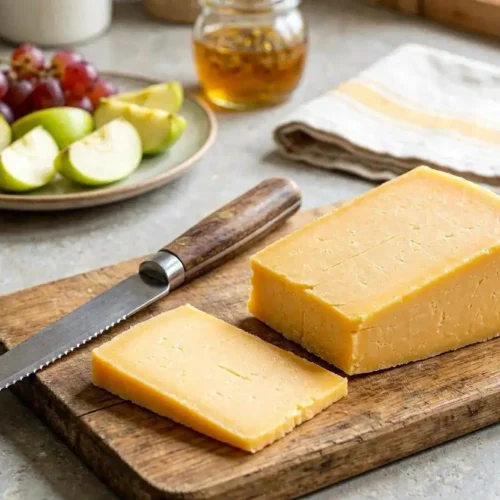
Quick Low Fat Cheddar Cheese Breakfast Bake
Equipment
- 8×8-inch baking dish, large mixing bowl, whisk, measuring cups, knife, cutting board.
Ingredients
- 6 large eggs
- 1 cup skim milk or unsweetened almond milk
- 1 cup shredded low fat cheddar cheese
- 1 cup chopped spinach
- ½ cup diced bell pepper
- ¼ cup diced onion
- Salt to taste
- Black pepper to taste
Instructions
- Preheat the oven to 350°F (175°C) and lightly grease an 8×8-inch baking dish.
- In a large mixing bowl, whisk together the eggs and milk until smooth.
- Season with salt and black pepper.
- Stir in the chopped spinach, bell pepper, onion, and half of the shredded low fat cheddar cheese.
- Pour the mixture evenly into the prepared baking dish.
- Sprinkle the remaining cheddar cheese over the top.
- Bake for 22–25 minutes, or until the eggs are fully set and the cheese is lightly golden.
- Let the breakfast bake rest for 5 minutes before slicing and serving.
Notes
- Replace skim milk with unsweetened almond milk for a dairy-light option.
- Add mushrooms, broccoli, or tomatoes for extra vegetables.
- Refrigerate leftovers in an airtight container for up to 3 days.
- Reheat individual portions in the microwave for 30–60 seconds.
- For a sharper flavor, replace ¼ cup of the low fat cheddar with sharp cheddar.
Nutrition (Approximate per Serving)
- Calories: 270 kcal
- Protein: 21 g
- Fat: 13 g
- Saturated Fat: 5 g
- Carbohydrates: 6 g
- Fiber: 1 g
- Sugar: 4 g
- Cholesterol: 290 mg
- Sodium: 360 mg
- Calcium: 280 mg
Understanding Low Fat Cheddar Cheese and Its Nutritional Benefits
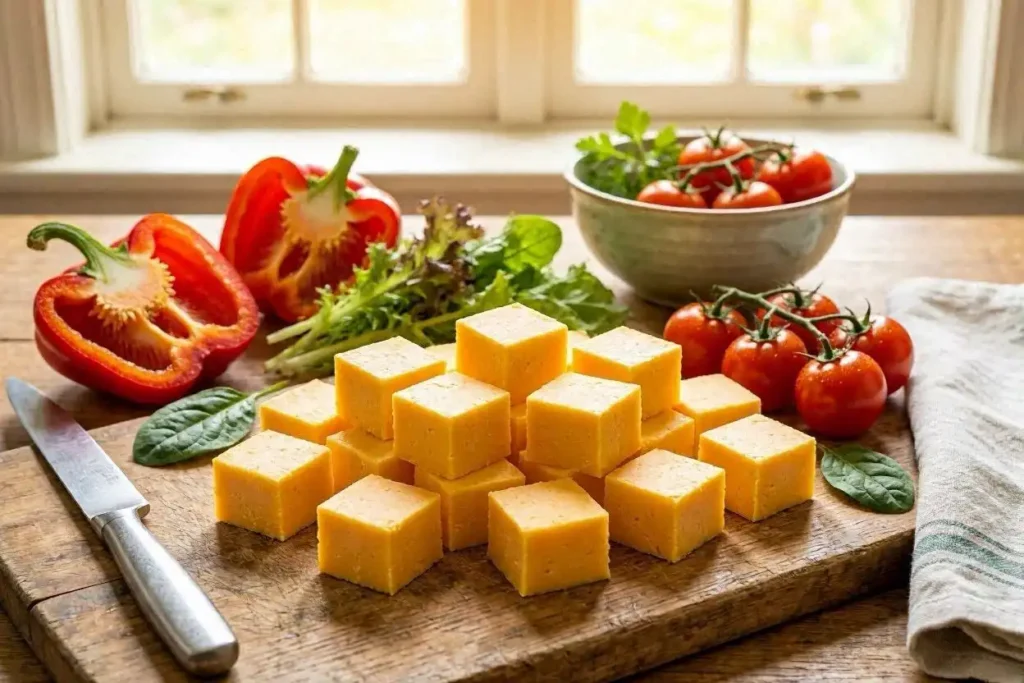
Low fat cheddar cheese delivers familiar cheddar flavor with less saturated fat, making it a useful option when you want to cut calories or fat without losing taste. Below is a clear look at cheddar cheese nutrition so you can pick products that fit your diet.
What Makes Cheddar Cheese Nutrition Stand Out
Cheddar is prized for its flavor and versatility, and low fat versions retain much of the protein while lowering total and saturated fat. That balance makes it easy to add cheese to meals while keeping an eye on dietary fat content.
Macronutrient Breakdown and Health Implications
Typical nutrition (approximate values—check product labels or USDA data for exact numbers):
- Protein: ~7 grams per ounce — a good protein boost for a cheese.
- Fat: ~5 grams per ounce in many low-fat varieties, lower than full-fat cheddar.
- Carbohydrates: Under 1 gram per ounce, so cheddar is very low in carbs.
These nutrients make low fat cheddar a convenient way to add protein and calcium with reduced fat. (Tip: always confirm specific nutrition content on the package.)
Comparing Carbs in Cheddar Cheese Across Varieties
Carb content is minimal across cheddar types, but fat and calories differ by style. A simple comparison:
- Full-fat cheddar: roughly 1 g carbs/oz and higher fat/calories
- Low fat cheddar: similar carbs but reduced fat/content of saturated fat
- Fat-free cheddar: similar carb profile but markedly lower fat
Choosing low fat cheddar helps keep overall fat and calorie intake down while maintaining the low-carb benefit of cheese.
Why Choose Low Sodium Cheese for Everyday Cooking
Sodium varies by brand. If you monitor salt intake, look for low sodium cheese options or compare labels to find the lowest sodium content per serving.
Health Benefits of Reducing Cheese with Lowest Salt Content
Lower-sodium choices can help reduce excess sodium in your daily diet, which may help manage bloating and support blood-pressure-conscious eating. For specific health guidance, consult a healthcare professional or authoritative sources.
How Low Salt Cheese Fits into a Balanced Diet
Swapping to lower-sodium, low fat cheddar makes it easier to include cheese in balanced meals—use it in pasta, casseroles, or meal-prep bowls while pairing with vegetables, whole grains, and lean proteins to round out nutrition.
Understanding the nutrition content of cheddar helps you make informed choices: check labels for exact protein, fat, and sodium numbers so the product matches your goals.
Low Fat Cheddar Cheese Brands: Finding the Best Options
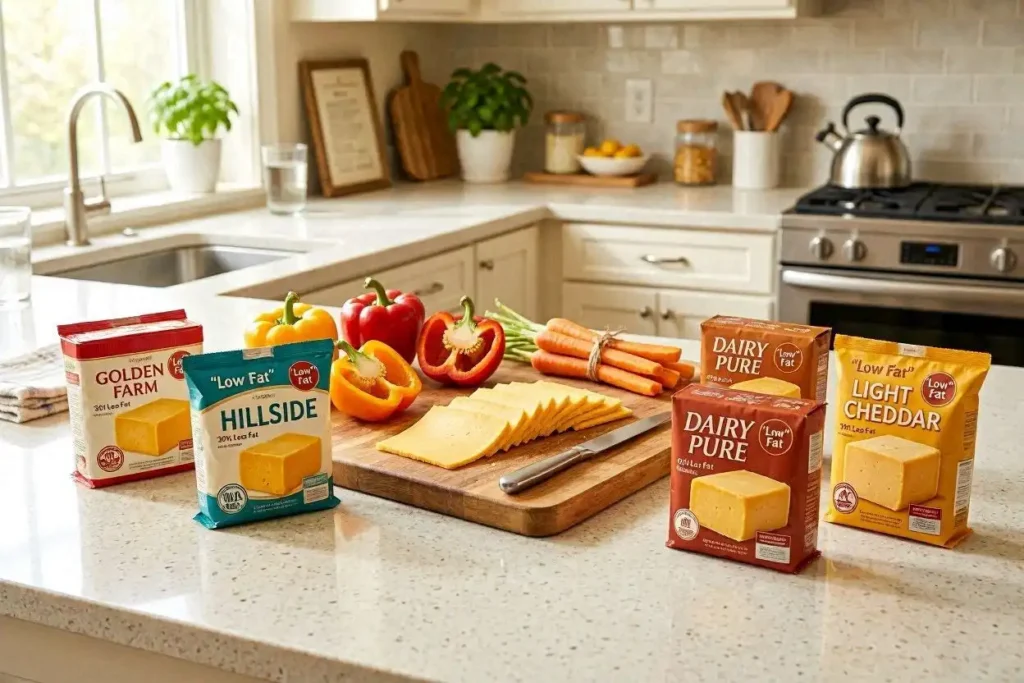
Picking the right low fat cheddar can make a big difference in your cooking—melt, flavor, and sodium content vary by product. Below are reliable brand options and label-reading tips to help you choose the best option for your recipes and budget.
Top Grocery Store Brands Offer Quality
These household brands frequently offer low fat or reduced-fat cheddar varieties that balance meltability and taste:
- Kraft: Widely available; many shoppers find its slices and shreds melt consistently.
- Sargento: Known for straightforward ingredient lists and several reduced-fat options.
- Cabot: Offers sharper flavor profiles even in lower-fat lines.
- Trader Joe’s: Often has affordable specialty and seasonal options.
- Organic Valley: Carries organic low fat cheese slices for shoppers wanting organic ingredients.
National Brand Comparisons and Quality Standards
When comparing brands and products, prioritize:
- Meltability: Look for reviews or try a small package to see how a product performs in sauces and casseroles.
- Flavor sharpness: Choose mild for family-friendly dishes or sharper varieties when cheese is the star.
- Texture: Smooth texture often indicates better melting behavior.
Store Brand Alternatives Worth Considering
Store brands can be a budget-smart pick—Walmart’s Great Value and Costco’s Kirkland Signature typically offer large-format or value-priced low-fat options that perform well in everyday cooking.
Reading Labels: Identifying True Low Fat Cheese Slices
Labels vary—here’s how to read them so you get a real reduced-fat or low fat product.
Understanding Nutritional Claims and Marketing Terms
Common label terms to know (definitions vary by jurisdiction—always check the Nutrition Facts and ingredient list):
- Reduced fat: Generally indicates at least 25% less fat than the full-fat version—confirm by comparing the Nutrition Facts.
- Low fat: Often used for products with noticeably less fat—check grams of fat per serving on the label.
- Light: May refer to fewer calories, fat, or both; read the specific qualifier on the package.
What to Look for on Cheddar Cheese Nutrition Labels
Compare these fields on the Nutrition Facts panel and ingredient list:
- Serving sizes: Serving-size differences can make numbers misleading—compare equal weights.
- Sodium content: If salt matters to you, choose the lowest milligrams per serving.
- Ingredient list: Opt for minimal additives; be aware that pre-shredded cheese may include anti-caking agents.
If meltability and clean ingredients matter most, try a small block to grate fresh—the flavor and texture are often superior. For budget-friendly, larger packs from store brands or value SKUs are worth sampling.
Where to Buy Low Fat Cheddar Cheese: Shopping Guide
Finding the right low fat cheddar cheese makes cooking easier whether you want an everyday product or a specialty sharp cheddar cheese for a recipe. You can shop locally or online; below are practical tips to help you find the best option for taste and budget.
Finding the Best Selection at Major Grocery Chains
Major U.S. grocery chains typically carry a broad selection of low fat and reduced-fat cheddars. Check the refrigerated cheese aisle or the deli/specialty cheese case at stores such as Kroger, Safeway, Publix, and Walmart. These stores usually stock both branded and store-brand products so you can compare meltability, sodium, and price.
Specialty cheese sections and premium options
If you want a specific flavor profile or a higher-quality product, look in the specialty cheese section or the deli counter. There you can often find sharper, higher-quality cheddars and sample smaller product sizes before you buy.
Online ordering and delivery availability
Online shopping is convenient for hard-to-find items or larger packs services like Amazon Fresh and Instacart carry many cheddar options and deliver from local stores. Use search filters to compare sodium, fat content, and package size before you add a product to your cart.
Budget-Friendly Shopping Tips for Low Calorie Cheese Slices
Simple strategies can lower your cost per serving without sacrificing quality:
- Best for price: Try store brands or value packs when you need a reliable, low-cost product.
- Best for specialty flavor: Buy smaller packages from the specialty case to test sharpness before committing to a larger product.
- Sales and coupons: Watch weekly ads and digital coupons cheese often cycles on sale every 6–8 weeks, but timing varies by region and store.
- Buy in bulk when it makes sense: Large packs can save money if you use cheese regularly just portion and store properly to maintain quality.
Use these tips to find the right product at your preferred store and get the best value for your recipes and meal prep.
Best Low Fat Cheddar Cheese Slices for Everyday Cooking
Choosing the right low fat cheddar cheese slices makes ordinary meals taste better. Focus on texture, flavor, and melting ability to pick a product that works across sandwiches, sauces, and baked dishes.
Characteristics of High-Quality Low Fat Cheese Slices
High-quality low fat cheddar cheese slices strike a balance between good melt and bold flavor without excess fat. Look for smooth texture, even slices, and a clean ingredient list these traits predict how the cheese will perform in recipes.
Texture, flavor, and melting properties
Texture affects melt and mouthfeel; a creamy, even slice gives the best results in sauces and casseroles. Mild slices are crowd-pleasers for kids’ meals, while sharper varieties bring more punch when cheese is the star.
Examples: use mild slices in mac and cheese or a breakfast bake; choose a sharper slice for a grilled cheese or an open-faced melt to get more pronounced flavor.
Comparing mild cheddar cheese versus sharper varieties
Mild cheddar cheese offers buttery, approachable flavor ideal for everyday family dishes. Sharp cheddar delivers a tangier, more complex taste suited to gourmet sandwiches or dishes where cheese is the focal ingredient.
How Shredded Cheddar Cheese Differs from Block Cheese
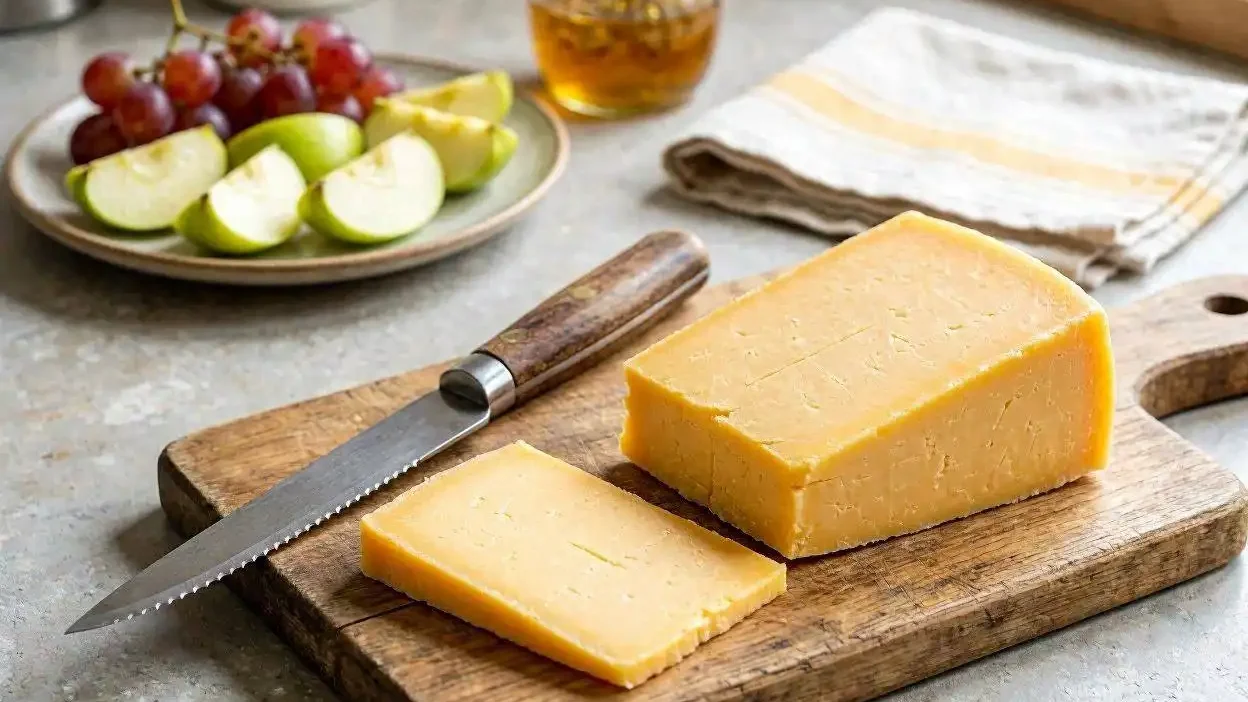
Form matters. Pre-shredded cheese adds convenience, but freshly grated block cheese typically melts more smoothly because it lacks anti-caking agents.
Convenience factors and freshness considerations
Pre-shredded packages are handy for quick salads or topping casseroles; however, if melt quality and texture are priorities, buy a block and grate it yourself. Freshly grated block cheese usually yields creamier sauces and better texture in cooked dishes.
Best uses for each form in your recipes
Block (grated fresh): best for cheese sauces, macaroni, and soups where silky melt matters. Pre-shredded cheddar cheese: great as a quick topping for baked dishes and casseroles. Slices: ideal for sandwiches, burgers, and melts where even, mess-free coverage matters.
For reduced-fat options, try a trusted brand’s reduced fat (compare Nutrition Facts for grams of fat per serving) or a store-brand product if you want value—always test one SKU in your go-to recipe to be sure the flavor and melt meet your expectations.
Recipe 1: Creamy Chicken Cheez Casserole
Welcome to a family-friendly, easy casserole that uses low sodium, low fat cheddar cheese for creamy flavor without excess fat or calories. This dish works well for weeknight dinners or meal prep—see substitutions below if you prefer a fresher, less-processed route.
Ingredients and Preparation Overview
Complete ingredient list with measurements
- 2 cups cooked chicken, shredded
- 1 cup low sodium cheddar cheese, shredded
- 1 cup low-sodium cream of chicken soup (or 1 cup low-sodium chicken broth + 2 tablespoons cornstarch for a fresher option)
- 1 cup frozen mixed vegetables (peas, carrots, corn)
- 1 cup cooked brown rice
- 1 teaspoon garlic powder
- 1 teaspoon onion powder
- Salt and pepper to taste
Prep Time: 15 minutes
Step-by-Step Cooking Instructions
Cooking the chicken and preparing the base
Preheat oven to 350°F (175°C). In a large bowl, combine shredded chicken, the low-sodium soup (or broth-cornstarch mixture), garlic powder, onion powder, and a pinch of salt and pepper. Stir until everything is evenly coated.
Layering and baking techniques for optimal results
Grease a 9×13-inch baking dish. Spread the cooked brown rice across the bottom, then layer the chicken mixture evenly over the rice. Scatter the frozen mixed vegetables on top, then sprinkle the shredded low sodium cheddar cheese over everything. Cover with foil and bake for 25 minutes; remove foil and bake an additional 10 minutes until the cheese is bubbly and lightly golden.
Recipe Details
Cook Time: 35 minutes
Total Time: 50 minutes
Servings: 6 (about 1 cup per serving)
Course: Main Dish
This creamy casserole is comforting and practical. If you track calories or macronutrients, estimate per-serving values by checking the exact product Nutrition Facts for the chicken, rice, and cheese you use—swapping to low fat or reduced-fat cheddar will lower total fat and calories. For a sharper profile, replace part of the cheddar with a small amount of sharp cheddar (shred and mix in) to boost flavor without adding much fat.
Recipe 2: Gluten Free Chicken Recipes with Cheesy Rice Shaped Pasta
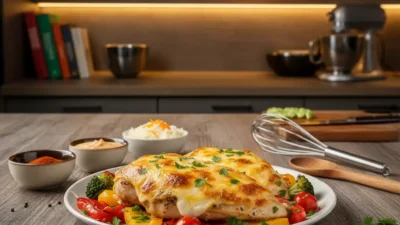
This gluten-free chicken bake pairs tender seasoned chicken with a creamy cheese sauce and rice-shaped pasta (or gluten-free orzo). It’s sturdy enough for baking and elegant enough for guests—perfect for weeknights or special occasions.
Selecting the Right Rice Shaped Pasta for Your Dish
Choosing the right rice-shaped pasta matters for texture and absorption. Look for clearly labeled gluten-free products to avoid cross-contact.
- Look for gluten-free labels: Brands like Jovial (brown rice orzo) or Banza (chickpea pasta) offer reliable gluten-free rice-shaped options—check packaging for certification.
- Orzo-style pasta: Orzo absorbs sauce well and holds shape in the oven, making it ideal for baked dishes.
- Cooking tips: Cook the pasta in salted water until just under al dente (about 1–2 minutes less than package instructions); it will finish cooking in the oven.
Gluten-free pasta varieties and cooking tips
Brown rice, quinoa, and chickpea rice-shaped pastas each have different textures quinoa and chickpea options add protein and a firmer bite. Stir occasionally while boiling to prevent sticking, and consider folding in veggies like peas or riced cauliflower for extra nutrition.
Achieving perfect pasta texture
Stop cooking the pasta slightly early to keep it al dente after baking this helps each piece absorb the cheese sauce without becoming mushy.
Building the Perfect Gluten Free Chicken Recipes Base
A flavorful base supports the whole dish: properly seasoned chicken and a stable cheese sauce are key.
Seasoning and preparing the chicken
Season chicken with garlic, paprika, salt, pepper, and dried herbs. Sear or bake until just cooked through to keep it juicy then shred or dice for even distribution in the casserole.
Creating a flavorful cheese sauce from scratch
For a stable, creamy sauce that works with low-fat cheese: blend cottage cheese (or ricotta) with milk, then gently heat and whisk in low-fat shredded cheddar. Keep heat at medium-low and stir constantly to prevent separation. If you worry about texture, add a small slurry (1–2 tsp corn starch mixed with cold water) to stabilize the sauce before adding cheese.
Combining Elements for the Final Dish
Assembly is simple and forgiving mix components evenly and bake until bubbly.
Assembly and baking instructions
Preheat oven to 350°F (175°C). In a baking dish, combine cooked rice-shaped pasta, seasoned chicken, and the cheese sauce; stir to distribute evenly. Top with extra shredded low-fat cheddar or a touch of sharp cheddar if you want more bite. Bake uncovered for 20–25 minutes until heated through and bubbly.
Tips for achieving golden, bubbly results
For a golden top, switch to broil for 1–2 minutes at the end watch closely to avoid burning. Let the dish rest 5 minutes before serving so the sauce sets.
Recipe Details
Prep Time: 20 minutes
Cook Time: 30 minutes (including baking)
Total Time: 50 minutes
Servings: 4
Course: Main Dish
Recipe 3: Quick Low Fat Cheddar Cheese Breakfast Bake
Low fat cheddar works beautifully at breakfast melting into eggs for a savory, protein-forward start to the day. This quick breakfast bake is ideal for busy mornings and meal prep.
Morning Meal Prep with Shredded Cheddar Cheese
Make mornings easier with a few prep moves:
- Chop or roast vegetables the night before.
- Use pre-shredded or freshly grated low-sodium, low fat cheddar cheese for speed.
- Whisk eggs and mix-ins together in under 5 minutes.
Eggs supply protein and the cheese adds flavor with modest calories; this combination keeps you full through the morning while still fitting into balanced meal plans.
Step-by-Step Morning Recipe Instructions
Ingredients (serves 4)
- 6 large eggs
- 1 cup skim milk or unsweetened almond milk
- 1 cup shredded low fat cheddar cheese
- 1 cup chopped mixed vegetables (spinach, bell pepper, onion)
- Salt and pepper to taste
Combining eggs, vegetables, and cheese layers
Preheat oven to 350°F (175°C). Whisk eggs and milk, season lightly, then fold in the vegetables and half the cheese. Pour into a greased 8×8-inch baking dish and sprinkle remaining cheese on top.
Achieving perfect texture in under 30 minutes
Bake 22–25 minutes until eggs are set but still moist avoid overbaking. Let rest 5 minutes before slicing for clean servings. For a sharper flavor, swap 1/4 cup of the cheddar for a touch of sharp cheddar.
Make-ahead and Nutrition Notes
Make ahead: refrigerate in an airtight container and reheat individual portions in the microwave (covered) up to 3 days. Approximate nutrition per serving (varies by exact products): ~240–300 calories, 18–22g protein—check product labels for precise nutrition details.
Recipe 4: Cheesy Rice Shaped Pasta with Mild Cheddar Cheese Sauce
Make a velvety, crowd-pleasing side with rice-shaped pasta and a smooth mild cheddar cheese sauce. This quick recipe uses simple ingredients and a light thickening method so you get creamy results without heavy cream.
Mastering Cheese Sauce Consistency
Use low-fat milk plus a small amount of cornstarch to thicken the sauce before adding cheese—this helps prevent separation and keeps the texture silky when using reduced-fat cheeses.
Ingredients (serves 4)
- 8 oz rice-shaped pasta (or orzo)
- 1 1/4 cups low-fat milk
- 1 tablespoon cornstarch
- 6 oz (about 1 1/2 cups) shredded mild cheddar cheese
- Salt and pepper to taste
Techniques for smooth, creamy sauce without heavy cream
Whisk the cornstarch into a small amount of cold milk to make a slurry, then heat the remaining milk over medium-low. Stir in the slurry and cook until slightly thickened (2–3 minutes), then reduce heat to low and slowly add shredded mild cheddar, stirring constantly until melted and smooth. Avoid high heat to prevent the cheese from becoming grainy.
Using mild cheddar cheese for approachable flavor
Mild cheddar gives a buttery, familiar taste that’s great for family meals; if you prefer more bite, mix in a small amount (1/4 cup) of sharp cheddar or sharp cheddar cheese to boost flavor without overwhelming the sauce.
Cooking Rice Shaped Pasta to Perfection
Cook the pasta so it remains slightly firm and able to absorb the sauce—this ensures the best final texture.
Proper boiling techniques and timing
Boil a large pot of salted water. Add the rice-shaped pasta and cook 8–10 minutes for al dente (times vary by brand check package instructions). Drain immediately when done.
Draining and rinsing recommendations
Drain but don’t rinse the pasta (unless using a gluten-free variety that benefits from rinsing to remove excess starch). Keeping some starch helps the sauce cling to the pasta.
Bringing It All Together
Combine the hot, drained pasta with the warm cheese sauce and toss gently so every piece is coated in creamy goodness.
Combining pasta with cheese sauce
Work while both sauce and pasta are hot this gives the smoothest, most cohesive result. If the sauce seems too thick, add a splash of warm milk to loosen it.
Finishing touches and garnish ideas
Finish with freshly ground black pepper, chopped parsley, or a light dusting of paprika. For extra richness, stir in a tablespoon of butter before serving.
Recipe Details
Prep Time: 5 minutes
Cook Time: 20 minutes
Total Time: 25 minutes
Servings: 4
Course: Side Dish
Recipe 5: One-Pot Low Fat Cheddar Cheese Meal Prep Bowls
Make your week easier with one-pot meal prep bowls centered on low fat cheddar cheese. These bowls deliver satisfying flavor and protein while keeping fat and calories in check—great for lunches or quick dinners.
Planning Your Meal Prep with Cheddar Cheese Nutrition in Mind
Use low fat cheddar strategically: it adds melt and savoriness while contributing protein. Pair it with whole grains and vegetables to round out each bowl.
Batch cooking strategies for the week
- Cook grains (quinoa, brown rice) in large batches and portion them into containers.
- Prepare proteins like roasted chicken or turkey ahead of time and season simply for versatility.
- Chop or steam vegetables (bell peppers, spinach, broccoli) so assembly is fast.
Balancing macros across multiple meals
Build bowls with roughly 1/3 grains, 1/3 protein, and 1/3 vegetables, then add 1–2 tablespoons of shredded low fat cheddar for flavor and protein. Swap in a small amount of sharp cheddar if you want bolder flavor without many extra calories.
Building Flavorful Meal Prep Bowls
Layer ingredients so textures stay appealing: warm grain base, rested protein, then veggies and cheese on top.
Layering proteins, grains, and vegetables
Start with whole grains or riced cauliflower, add seasoned protein, then colorful vegetables. Finish with a sprinkle of shredded cheese so it melts slightly and ties flavors together.
Adding shredded cheddar cheese as a finishing touch
Top warm bowls with shredded low fat cheddar cheese right before sealing containers, or add at reheating time for a fresher melt.
Storage and Reheating Guidelines
Store and reheat safely to maintain quality and food safety.
Best practices for maintaining food quality
- Use airtight containers and label with the packing date.
- For meat-containing bowls, refrigerate and use within 3–4 days (USDA food-safety guidance); vegetarian bowls may last a little longer but still check appearance and smell.
- To keep a product longer, freeze portions—use within 2–3 months for best quality.
Microwave and oven reheating methods
Microwave: reheat covered with a damp paper towel to retain moisture. Oven: bake at 350°F (175°C) until heated through for a crispier finish. Add a splash of water or broth if the bowl seems dry, and top with fresh cheese or a small handful of shredded cheddar before serving.
Recipe Details
Prep Time: 25 minutes
Cook Time: 30 minutes
Total Time: 55 minutes
Servings: 5
Course: Main Dish
Recipe 6: Low Fat Cheddar Cheese Stuffed Vegetables
Try stuffed vegetables filled with a flavorful, lower-fat cheese mixture—an easy way to enjoy the taste of cheddar while boosting veggies. This recipe shows how to pick sturdy produce, make a savory filling, and bake everything to tender perfection.
Selecting and Preparing Vegetables for Stuffing
Choose vegetables that hold shape when baked. Great options include:
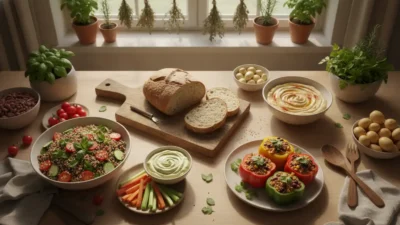
- Bell peppers (halved and seeded)
- Zucchini (halved and scooped)
- Portobello mushrooms (stems removed)
- Large tomatoes (tops cut and insides scooped)
Trim, clean, and pre-roast firmer vegetables (like zucchini or peppers) for 8–10 minutes at 375°F to ensure they’re tender after stuffing. Size influences oven time—large peppers and tomatoes will need more time than small mushrooms.
Creating the Perfect Cheese Filling
Use a base of low fat cheddar for melt and protein, then bind and flavor the filling. Example proportions for about 4 servings:
- 1 1/2 cups shredded low fat cheddar (about 6 oz)
- 3/4 cup breadcrumbs
- 1 large egg (or 1/3 cup plain Greek yogurt for an egg-free binder)
- 2 tablespoons chopped parsley
- 1 teaspoon garlic powder, 1/2 teaspoon paprika, salt and pepper to taste
Mix until cohesive—if you prefer more tang, fold in 1/4 cup shredded sharp cheddar for extra flavor (it boosts taste without much added volume). For a vegetarian, egg-free option, use blended chickpeas or unsweetened Greek yogurt as the binder.
Baking and Serving Your Stuffed Vegetables
Arrange stuffed vegetables in a baking dish, drizzle lightly with olive oil, and bake at 375°F (190°C). Typical times:
- Portobellos: 20–25 minutes
- Peppers and tomatoes: 30–40 minutes
- Zucchini: 25–35 minutes
Bake until vegetables are tender and the filling is set and golden. Let rest 5 minutes before serving. Plate on a bed of greens or alongside a simple salad for a colorful, balanced meal.
Recipe Details
- Prep Time: 20 minutes
- Cook Time: 30–40 minutes (varies by vegetable size)
- Total Time: 50–60 minutes
- Servings: 4
- Course: Main Dish
Tip: Test one stuffed vegetable first to confirm seasoning and bake time, then adjust the rest. Use your favorite low-fat cheddar product or blend in a little sharp cheddar cheese if you want a punchier finish.
Tips for Working with Low Fat Cheddar Cheese in Your Kitchen
Make the most of low fat cheddar by handling it with a few simple techniques—whether melting for a sauce or using slices in sandwiches—so your dishes have the best texture and flavor.
Achieving Optimal Melting Every Time
Control heat and technique to avoid grainy or separated cheese sauces. Follow these guidelines:
Temperature guidelines for best results
- Always melt cheese over low to low–medium heat to keep it smooth.
- Do not add cheese to boiling liquids; cool the liquid slightly before stirring in cheese.
- Stir frequently and add cheese in small handfuls so it melts evenly into the sauce.
Common mistakes and how to avoid them
- Pre-shredded cheese can include anti-caking agents that reduce melt quality—use freshly grated block cheese when possible.
- Adding cheese directly to very hot noodles or steaming liquids can cause it to seize; remove from high heat first and stir quickly to combine.
- If a sauce separates, try whisking in a small splash of warm milk or a teaspoon of cornstarch slurry over low heat to re-emulsify it.
Storing and Preserving Cheddar Cheese Slices
Proper storage preserves flavor and reduces waste. Use these practical methods:
Refrigeration best practices
- Wrap opened cheese in parchment paper, then place in a loose plastic bag or container this protects texture while allowing a little breathability.
- Store cheese in a consistent, cool spot in the fridge—many refrigerators have a cheese or deli drawer that works well.
- Use refrigerated, opened cheese within about 3–7 days for optimal quality; check the product label and follow any manufacturer guidance for freshness.
Freezing recommendations for longer storage
- Blocks and shredded cheese freeze better than slices; freeze in airtight, well-wrapped portions to prevent freezer burn.
- Label packages with date and use within 2–3 months for best texture and flavor.
- Thaw cheese slowly in the refrigerator; note that texture may change—thawed shredded cheese is best used in cooked dishes rather than eaten fresh.
When in doubt, rely on the product’s package dates and your senses: if the cheese develops off smells or visible mold (beyond the normal surface bloom on aged cheddars), discard it. For recipes where a stronger kick is wanted, add a small amount of shredded sharp cheddar cheese to boost flavor.
Conclusion
Low fat cheddar is a versatile way to add savory flavor to meals while helping reduce overall fat and calories when you choose reduced-fat products perfect for casseroles, stuffed vegetables, meal-prep bowls, and quick breakfast bakes.
Use the label-reading tips in this guide to compare any product before you buy, and shop at your preferred store or online for the best price and selection. If you want more punch, blend in a little sharp cheddar to boost flavor without adding much volume.
Try the Creamy Chicken Cheez Casserole this week and share how it went—grab the shopping checklist from the recipe section to make shopping faster. Enjoy experimenting with low fat cheddar in your kitchen!
FAQ
What are the nutritional benefits of low fat cheddar cheese?
Low fat cheddar typically provides a good amount of protein and calcium while reducing total and saturated fat compared with full‑fat versions. Exact numbers vary by product check the Nutrition Facts label or USDA food data for precise values.
How does low sodium cheese fit into a heart‑healthy diet?
Choosing lower‑sodium cheese can help reduce overall dietary sodium intake, which may support blood‑pressure‑conscious eating. For personalized medical advice, consult a healthcare professional or official guidance from agencies like the American Heart Association.
What brands of low fat cheddar cheese are recommended?
Common brands that offer reduced‑fat or low‑fat cheddars include Kraft, Sargento, and Cabot; many stores also carry reliable store‑brand options. Availability varies by region compare Nutrition Facts and ingredient lists to find the best product for taste and value.
How can I identify true low fat cheese slices when shopping?
Look beyond marketing terms: read the Nutrition Facts panel to compare grams of total and saturated fat per serving. Labels like “reduced fat,” “low fat,” or “light” are useful cues, but the numbers tell the full story.
Where can I find low fat cheddar cheese in grocery stores?
Low fat cheddar is usually in the refrigerated cheese aisle or specialty cheese case at major retailers. Check your local store’s cheese section or online grocery listings to compare product options and prices.
What are some budget-friendly tips for buying low calorie cheese slices?
Watch weekly ads and digital coupons, consider store brands or larger value packs if you use cheese often, and buy during sales. Buying a block and grating it yourself can also save money and improve melt quality.
What should I consider when choosing between shredded and block cheddar cheese?
Pre‑shredded cheese is convenient but often includes anti‑caking agents that can affect melting; freshly grated block cheese usually melts creamier and tastes fresher. Choose based on convenience versus final texture needs.
How can I achieve the perfect cheese sauce consistency?
Use low to medium‑low heat, add cheese gradually, and stir constantly. For reduced‑fat cheeses, thicken the base with a small slurry of cornstarch or a light roux before adding cheese to prevent separation.
What are the best practices for storing low fat cheddar cheese?
Wrap opened cheese in parchment or wax paper, then place in a loose plastic bag or container and refrigerate in a consistent, cool area. Follow package guidance and use opened cheese within a few days to a week depending on the product; freeze blocks or shredded cheese for longer storage (use within 2–3 months for best quality).
Can low fat cheddar cheese be used in meal prep?
Yes—low fat cheddar adds flavor and protein to meal‑prep bowls, casseroles, and bakes. For best results, add shredded cheese just before reheating or pack it separately to preserve texture.