
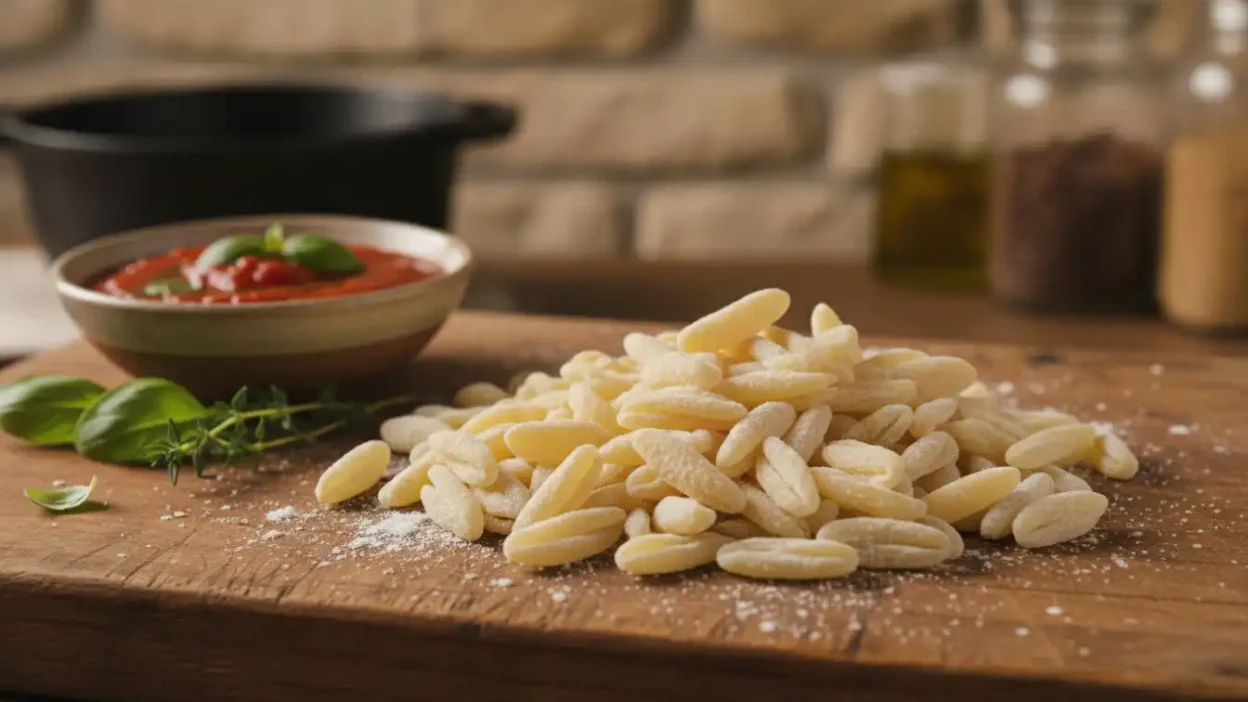
Turn a simple box of rice shaped pasta into food that tastes like it came from a restaurant. This guide teaches practical, kitchen-friendly techniques—like toasting orzo and cooking it in flavorful broth—so you can make bright salads, hearty one-pan meals, and elegant sides at home.
Orzo, a small pasta shaped like rice, is quick to cook and extremely versatile. Whether you’re feeding one or a crowd, learning a few clear steps will help you get perfect texture and more concentrated flavor every time.
Follow along to master orzo pasta basics, find fast recipes featuring proteins like ground beef and chicken, and try seafood and soup variations. Ready to get started? Jump to the step-by-step techniques or scan the recipes below to pick one to make tonight.
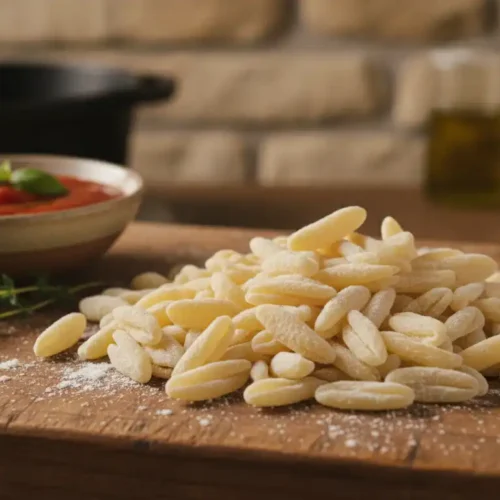
Restaurant-Quality Rice Shaped Pasta (Orzo)
Equipment
- Large skillet, saucepan, wooden spoon, measuring cups, knife, cutting board
Ingredients
- 1 cup dry orzo rice-shaped pasta
- 2 cups chicken beef, or vegetable broth
- 1 –2 tablespoons olive oil
- 1/2 cup finely chopped onion
- 1 –2 garlic cloves minced
- 1/4 cup grated Parmesan cheese
- 2 tablespoons chopped fresh parsley
- 1 teaspoon lemon zest optional
- Salt to taste
- Black pepper to taste
- Optional Add-ins
- 1 pound ground beef chuck
- 2 cups cooked shredded chicken
- 12 ounces chicken sausage
- 1 pound shrimp
- 1 salmon fillet
- Spinach cherry tomatoes, feta cheese, roasted vegetables
Instructions
- Toast the dry orzo in a skillet over medium heat for 2–3 minutes until lightly golden.
- Add olive oil and sauté onion until translucent.
- Stir in garlic and cook for 30–60 seconds.
- Pour in broth and bring to a simmer.
- Cover and cook for 10–12 minutes until the liquid is absorbed and the orzo is tender.
- Remove from heat and stir in Parmesan cheese.
- Add parsley, lemon zest, salt, and pepper.
- Serve immediately as a side dish or add your preferred protein for a complete meal.
Notes
Nutrition (Estimated Per Serving)
- Calories: 320 kcal
- Carbohydrates: 45g
- Protein: 10g
- Fat: 10g
- Saturated Fat: 2g
- Fiber: 2g
- Sugar: 2g
- Sodium: 420mg
- Cholesterol: 8mg
1. Rice Shaped Pasta Recipes: An Introduction to Orzo and Its Cousins
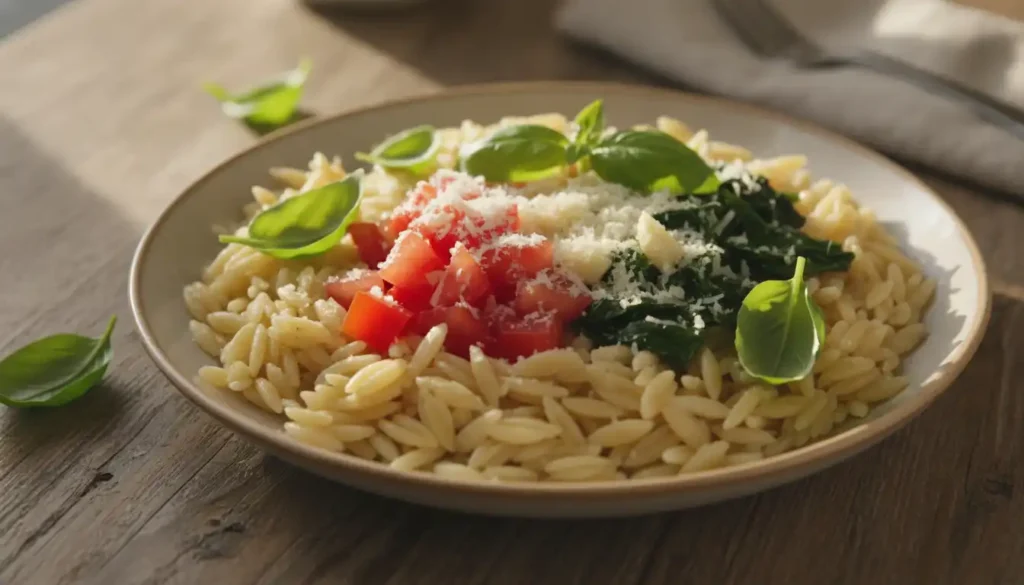
Rice shaped pasta opens up quick, flavorful options for weeknights and entertaining alike. Commonly sold as orzo in the U.S., this small pasta shaped like rice cooks fast, so it’s ideal for soups, salads, and simple one-pan meals that highlight texture and concentrated flavor.
What Is Pasta Rice Called Around the World
Orzo goes by different names depending on where you shop. Knowing these terms helps when reading recipes or hunting in specialty aisles:
- Risoni: Often used in Australia and Italy-grown brands; try it in a tomato-and-feta salad for a bright side dish.
- Kritharaki: The Greek name — commonly used in soups such as avgolemono or in baked dishes with roasted vegetables.
- Arroz de Pasta: A straightforward Spanish term meaning “pasta rice,” used in some Latin markets and recipes that treat orzo like a rice pilaf.
Orzo, Risoni, Kritharaki: Same Pasta, Different Names
These names refer to the same rice-like pasta shape. Whether the package says orzo, risoni, or kritharaki, you can use it interchangeably in recipes that call for a tender, spoonable small pasta.
Why Rice Shaped Pasta Is Versatile in Any Kitchen
Because it’s shaped like rice and cooks quickly, orzo is perfect for tossed salads, creamy casseroles, and soups that need body without heaviness. Dress a cold orzo salad with lemon, olive oil, chopped herbs, cherry tomatoes, and crumbled feta for an easy, make-ahead side. Or swap the dressing for warm broth and sautéed aromatics to make a comforting risotto-style rice pilaf with pasta instead of rice.
2. Understanding Orzo Pasta: The Star of Rice Shaped Varieties
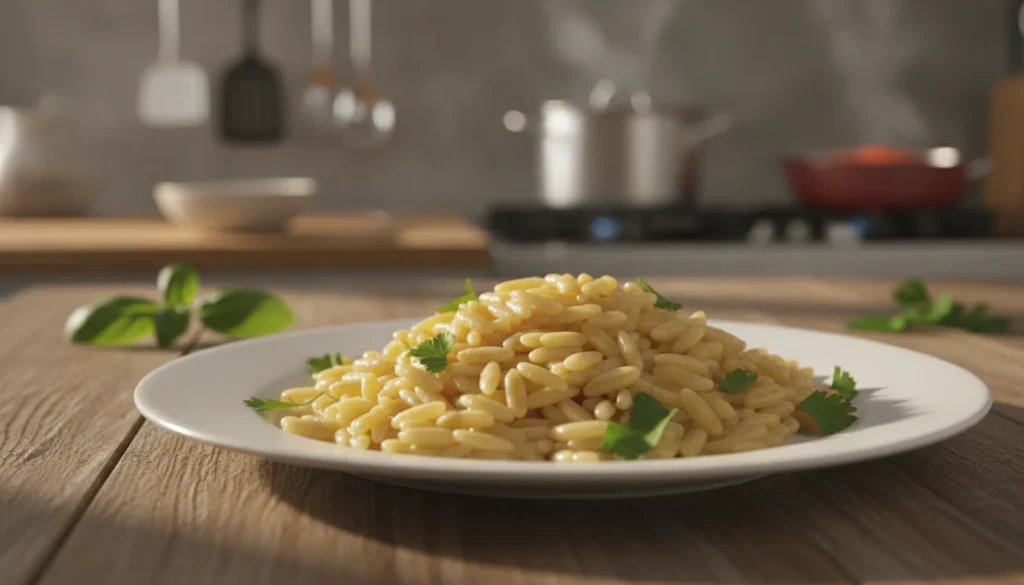
Orzo pasta — also sold as risoni in some markets — is a small, rice-shaped pasta prized across Mediterranean cooking for its quick cook time and ability to carry flavor. Because it’s shaped like rice, orzo works as a spoonable starch in soups, a tender base for salads, or the pasta version of rice pilaf.
Origins and Cultural Significance of Risoni Pasta
Rather than a single origin story, orzo has longstanding use across Italy, Greece, and neighboring regions where small pasta shapes are common. In Greece, kritharaki often stars in avgolemono soup; in Italy you’ll find risoni in brothy soups and baked dishes. These regional traditions emphasize orzo’s role as a comforting, adaptable ingredient.
Pasta Pearls: Small but Mighty in Soups and Salads
Because the shape is compact, orzo soaks up broths and dressings efficiently. In soups it swells and adds body without overwhelming the bowl; in cold salads it provides a pleasant chew that holds up to vinaigrettes and mix-ins like tomatoes, olives, and crumbled feta. Think of it as a tiny pasta that performs like a short-grain starch.
Gluten Free Pasta Options for Rice Shaped Varieties
If you need gluten-free orzo, several options mimic the shape: rice-based orzo, corn-based varieties, and legume-based pastas (chickpea or lentil). Texture varies — rice or corn versions are lighter, legume versions add protein and bite. Whole-wheat orzo and whole-wheat alternatives offer a nuttier flavor and firmer texture if you want more fiber without going gluten-free.
Quick comparison (text): semolina orzo = classic chew and flavor; whole-wheat orzo = nuttier, denser; gluten-free orzo (rice/corn) = lighter texture; legume-based = higher protein, firmer bite. Use that guide to pick the right type for soups, salads, or pilaf-style dishes.
3. Rice Shaped Pasta vs Other Small Pasta Shapes
Picking the right pasta shape affects texture, sauce pickup, and cooking time. Rice-shaped pasta like orzo behaves differently than spirals, long strands, or tiny stars—choose the shape that suits the dish you want to make.
Fusilli Pasta vs Rotini: Texture and Sauce Holding
Both fusilli and rotini are spiral shapes, but fusilli’s tighter twists cling to thicker sauces and chunky ingredients, while rotini’s looser corkscrew is great for lighter dressings. Use fusilli for hearty pasta dishes and rotini for tossed salads or lighter sauces.
Vermicelli vs Spaghetti: When Each Shape Shines
Vermicelli is very thin and cooks quickly—use it in brothy soups or simple stir-fry-style preparations where you want delicate strands. Spaghetti is thicker and better for classic saucy pairings like meatballs or tomato-based sauces. Orzo, shaped like rice, sits between these: spoonable like a small grain and hearty enough to serve as a side or base.
Small Noodles for Soup: Choosing the Right Option
For soups and brothy dishes, small pasta shapes—ditalini, stelline, or orzo—are common choices. Orzo adds substance without dominating the bowl, making it ideal for chicken or vegetable soups and rice-pilaf-style pasta dishes. Quick tip: smaller shapes generally cook faster, so check for doneness a minute or two before the package’s lower time to avoid overcooking.
4. Where to Buy Rice Shaped Pasta: Grocery Store Guide
Hunting for rice shaped pasta? Look in the pasta aisle — orzo is pasta, not a grain, even though it looks like rice. Most supermarkets stock it with other small pasta shapes; specialty names like risoni or kritharaki will appear on some brands and imports.
Is Orzo with Rice or Pasta in the Pasta Aisle?
Orzo belongs in the pasta aisle because it’s typically made from durum wheat semolina. When reading labels, check for “durum wheat” or “semolina” as the primary ingredient; that signals the familiar chew and flavor most recipes expect.
Finding Risoni Pasta and Kritharaki in Stores
If your regular store doesn’t carry risoni or kritharaki, try international markets, Italian specialty shops, or bulk bins. Online retailers and pantry-focused brands also carry a wide selection — including versions labeled as risoni, kritharaki, or simply “pasta rice.”
Reading Labels: Identifying Quality Rice Pasta
To pick a quality product, favor packages listing durum wheat semolina or “Italian durum wheat” on the label and avoid items with long lists of additives. If you prefer a specific brand, search for Delallo orzo or Delallo orzo pasta online — Delallo often offers classic semolina and whole-wheat options. If you can’t find traditional orzo, consider whole-wheat or alternative-grain versions (rice or corn) as substitutes, keeping in mind texture differences versus semolina orzo.
5. Essential Ingredients for Perfect Rice Shaped Pasta Dishes
Great orzo starts with a few reliable ingredients. Choose quality components and simple ratios and you’ll get consistently flavorful results—whether you’re making a quick side or a hearty one-pan dinner.
Stock and Broth: The Foundation of Flavor
Cook orzo in flavorful liquid whenever possible: chicken, vegetable, or beef stock boosts depth far more than plain water. For an absorption method, plan roughly 2 parts liquid to 1 part dry orzo (adjust slightly by brand). Using rich, low-sodium stock lets you control salt while layering other seasonings.
Ground Beef Chuck: The Ideal Protein for Hearty Meals
Ground beef chuck (or a similar ground cut) brings savory richness and moisture thanks to its fat content—use it for one‑pan orzo skillet dinners and braised-style dishes. Cook ground beef to a safe internal temperature (160°F), drain excess fat if desired, then deglaze the pan with a splash of broth before adding the orzo so the pasta soaks up those browned flavors. For leaner options, substitute ground turkey or canned beans for a vegetarian protein boost.
Cheese: Creaminess and Umami
Where the original text says “chicken cheez,” use a melting cheese or creamy cheese product—Parmesan, Pecorino, cream cheese, or a shredded melting cheese—depending on the recipe. Stir in 1/4–1/3 cup grated hard cheese per 2 cups cooked orzo for a savory finish, or fold in a few tablespoons of cream cheese for a silkier sauce. For dairy-free dishes, nutritional yeast or a plant-based cheese can add savory depth.
Fresh Herbs and Aromatics for Brightness
Finish orzo dishes with fresh herbs and aromatics to lift the dish: minced garlic and sautéed onion in the base, then finish with parsley, basil, lemon zest, or a squeeze of lemon juice to brighten flavors. Season with salt to taste—start light and adjust after the orzo has absorbed broth so you don’t over-salt.
Quick ratio reminder: about 1 cup dry orzo serves 2–3 people; for pilaf-style or absorption cooking start with ~2 cups broth per 1 cup orzo, and for boiling use plenty of salted water and drain. When you’ve got these essentials on hand—good stock, an appropriate protein, cheese for finishing, and fresh herbs—you’ll be set to follow the step-by-step techniques below and turn rice shaped pasta into standout food.
6. How to Cook Orzo Rice: Essential Techniques
Cooking orzo is straightforward, but choosing the right method—boil-and-drain or absorption—will determine texture and flavor. Below are reliable techniques for stovetop and rice-cooker preparation, plus practical tips so your orzo turns out tender and not gummy.
Stovetop Method: Classic Approach to Orzo Pasta
For a traditional boil-and-drain method, treat orzo like other short pasta shapes:
- Bring a large pot of water to a rolling boil and salt it well. A good guideline is about 1–1.5 teaspoons of salt per quart of water.
- Add the orzo and stir to separate the grains; small pasta can clump if left alone.
- Cook until al dente, typically 8–10 minutes, but start checking at 7 minutes since brands vary.
Why use plenty of water?
Using a lot of boiling water helps the pasta move freely and prevents stickiness; drain and toss immediately with a little oil or sauce to keep the grains separate.
Absorption Method (Rice-Pilaf Style)
If you prefer a rice-pilaf approach—where the orzo soaks up flavored liquid—use an absorption ratio and cook without draining:
- Use roughly 2 parts broth to 1 part dry orzo for pilaf-style results (adjust based on package instructions).
- Bring the liquid to a simmer, add orzo, cover, and cook until the liquid is absorbed and the pasta is tender—about 10–12 minutes depending on brand.
This method yields a creamier, more risotto-like texture and concentrates flavor when you use stock instead of water.
Orzo Rice Cooker Method: Set It and Forget It
Cooking orzo in a rice cooker is a convenient option for hands-off cooking:
- Add orzo and the recommended broth (use the same 2:1 absorption ratio as above) to the cooker.
- Follow the rice cooker’s basic cycle; check near the end of the cycle and stir to test doneness.
Adjusting Liquid for Different Textures
Want firmer orzo? Reduce liquid slightly and check earlier. For creamier results, add a splash of extra broth or finish with a knob of butter and grated cheese. If your orzo turns gummy, it was likely overcooked or stirred too vigorously—rinse briefly under hot water for the boil-and-drain method, or reduce cooking time for absorption-style cooking.
Quick troubleshooting: test orzo a minute or two before the lower end of the package time, salt the cooking water, and remember that carryover cooking will continue a short while after you remove it from heat.
7. Step-by-Step: Restaurant-Quality Rice Shaped Pasta at Home
Make restaurant-quality orzo at home with one reliable method you can adapt: toast the pasta, build a flavorful base, cook it to the right bite, then finish with cheese and herbs. These small steps concentrate flavor and yield a tender, spoonable rice pilaf–style pasta or a saucier cream version.
Step 1: Toasting Orzo for Enhanced Nutty Flavor
Start by toasting 1 cup dry orzo in a dry skillet over medium heat, stirring constantly until the grains turn lightly golden and smell nutty (about 2–3 minutes). Toasting adds a deeper, nutty flavor similar to browning rice for pilaf and helps the finished dish taste more complex.
Step 2: Building the Base with Onion and Garlic
Add 1–2 tablespoons olive oil to the skillet, then sauté 1/2 cup finely chopped onion until translucent. Stir in 1–2 cloves minced garlic and cook 30–60 seconds until fragrant. This aromatic base provides savory depth that the orzo will absorb while cooking.
Step 3: Adding Liquid and Cooking to Al Dente
For a pilaf-style absorption method, add about 2 cups hot broth to the toasted orzo, bring to a simmer, cover, and cook until the liquid is absorbed and the orzo is tender—usually 10–12 minutes depending on brand. For a boil-and-drain approach, add the orzo to plenty of boiling salted water and cook 8–10 minutes, testing for doneness a minute or two early since brands vary.
Step 4: Finishing with Cheese and Fresh Herbs
Remove from heat and stir in finishing ingredients: for a savory umami lift, mix 1/4 cup grated Parmesan (or Pecorino) into 2 cups cooked orzo; for creamier results fold in 2–3 tablespoons cream cheese or a splash of cream to make a light cream sauce. Finish with chopped parsley, lemon zest, or basil to brighten the dish. For a dairy-free alternative, use nutritional yeast for a cheesy note.
Tip: Taste and adjust salt after the orzo has absorbed the liquid. Try this basic orzo recipe as a base—then customize with proteins, roasted vegetables, or seafood from the recipes below. Ready to cook? Pick a recipe and follow the same four steps to get consistent, restaurant-quality results.
8. Hearty Rice Shaped Pasta with Ground Beef Chuck
Turn orzo into a comforting, dinner‑worthy meal by pairing it with savory beef. Below are three easy recipes — each built for simple prep, solid protein, and pantry-friendly ingredients. Yield notes and quick cook guidance help you plan timing and portions.
Classic Beef and Orzo One-Pan Supper
Serves 4. Brown 1 lb ground beef chuck in a large skillet over medium-high heat until no pink remains (cook to 160°F). Add 1 cup diced tomatoes, 1 cup orzo, 2 cups beef or chicken broth, and a pinch of salt. Bring to a simmer, cover, and cook 10–12 minutes until the orzo is tender and the liquid is mostly absorbed. Stir in chopped parsley and a sprinkle of grated Parmesan. Serve as a main dish with a simple green salad, or as a hearty side.
Rump Roast Adaptation for Pasta Dishes
Serves 4–6. Slow-cook a 2–3 lb rump roast until it shreds easily (6–8 hours on low in a slow cooker or until internal temp reaches 195–205°F for shreddable tenderness). Shred the beef and stir it into 2 cups cooked orzo along with 1/2 cup pan juices and roasted vegetables. Heat gently until combined. This turns leftover or slow-roasted beef into a rich pasta dish suitable for family dinners or make-ahead meals.
Slow-Simmered Beef Orzo for Comfort Food Lovers
Serves 4. For a cozy, stew-like version: brown 1 lb ground beef chuck, add 1 diced onion and 2 minced garlic cloves and sauté until soft. Deglaze with 1 cup broth, then add 1 cup orzo, 2 cups additional broth, 1 cup diced tomatoes, and 2 cups chopped root vegetables (carrots, celery). Simmer, partially covered, for 12–15 minutes until vegetables are tender and the broth has thickened. Season to taste with salt, pepper, and chopped herbs. Swap in ground turkey or beans for a leaner or vegetarian protein if desired.
Quick tips: these one‑pan recipes make great leftovers and double as side dishes for weeknight menus; for faster weeknight timing, use pre-cooked orzo and shredded rotisserie beef to cut prep to under 20 minutes.
9. Chicken Cheez and Chicken Sausage Orzo Recipe Ideas
Bright, quick, and family-friendly — these chicken-and-orzo recipes show how versatile orzo pasta can be. Below are three approachable ideas (with prep times and servings) that use everyday ingredients and simple techniques.
Creamy Chicken & Cheese Orzo Casserole
Prep 15 minutes • Cook 25–30 minutes • Serves 4–6. Swap “chicken cheez” for cooked shredded chicken and a mix of cheeses (Parmesan plus cream cheese or shredded mozzarella) for a silky finish. To prepare:
- Cook 1 cup orzo until just al dente (about 8 minutes), drain.
- Toss with 2 cups cooked chicken, 3/4 cup cream, 1/2 cup grated Parmesan, salt, pepper, and any herbs you like.
- Top with breadcrumbs and 1/2 cup shredded cheese; bake at 375°F until bubbly and golden, about 15–20 minutes.
This comforting casserole is great for gatherings and reheats well as a main or a hearty side dish.
Chicken Sausage Orzo with Roasted Vegetables
Prep 10 minutes • Roast 20 minutes • Serves 4. Use fully cooked chicken sausage for fast assembly. Roast peppers, zucchini, and cherry tomatoes, then combine with orzo for a colorful pasta dish:
- Roast 4 cups chopped vegetables at 425°F for 18–20 minutes.
- Slice 12 oz cooked chicken sausage and warm briefly in a pan.
- Toss vegetables, sausage, and 2 cups cooked orzo with olive oil, lemon juice, herbs, and a sprinkle of feta if desired.
This chicken sausage orzo recipe is bright, makes a great side or main, and is excellent for entertaining because it looks and tastes impressive while staying easy to prepare.
Quick Weeknight Chicken Orzo Skillet
Prep 5 minutes • Cook 15–20 minutes • Serves 2–3. For a fast skillet meal, sauté diced chicken, add orzo and broth, then finish with greens and a touch of cream or cheese for a light cream sauce:
- Sauté 1 lb diced chicken until cooked through (165°F).
- Add 1 cup orzo and 2 cups broth; simmer until the orzo absorbs the liquid, about 10–12 minutes.
- Stir in 2 cups spinach and 2 tablespoons cream cheese or a splash of cream; season to taste and serve.
Substitutions & tips: use dairy-free cheese or nutritional yeast for a vegan-friendly finish, or swap turkey sausage for chicken sausage. These recipes double well and are ideal as quick weeknight mains or as side dishes for a larger meal.
10. Tuscan Chicken Orzo and Lemon Chicken Orzo Soup
Two bright, comforting directions for chicken and orzo: a creamy Tuscan-style skillet and several lemony soups that range from simple to traditional Greek avgolemono. Below are clear variations, timing tips, and safety notes so you get reliable results.
Tuscan Chicken Orzo with Spinach and Sun-Dried Tomatoes
Serves 4 • Prep 10 minutes • Cook 15–20 minutes. Sauté diced chicken until golden and cooked through (165°F). Add minced garlic, then stir in a handful of chopped sun-dried tomatoes and 2 cups fresh spinach until wilted. Mix in 2 cups cooked orzo and 1/4–1/2 cup grated Parmesan (or a splash of cream for a richer cream sauce). Finish with a pinch of red pepper flakes and chopped basil for a Tuscan flavor profile.
Lemon Chicken Orzo Soup: Comfort in Every Spoonful
Serves 4 • Prep 10 minutes • Simmer 20–25 minutes. Simmer chicken in 6 cups broth until tender, remove and shred. Add diced carrots and celery, then 1 cup orzo and cook 8–12 minutes until the pasta is al dente. Stir the shredded chicken back in and finish with 1–2 tablespoons fresh lemon juice and a little lemon zest to brighten the broth. Taste and adjust salt after the orzo has absorbed liquid.
Greek Lemon Chicken Orzo Soup Variation (Avgolemono-style)
Serves 4 • Prep 10 minutes • Simmer 15–20 minutes. Follow the basic lemon chicken orzo soup, then use the avgolemono technique for a silky, dairy-free finish: beat 2 eggs with 1/4 cup lemon juice, then temper the eggs by slowly whisking in hot broth (a few tablespoons at a time) before stirring the warmed mixture back into the pot. Important: temper slowly and keep the soup off high heat to avoid scrambling the eggs.
Slow Cooker Lemon Chicken Orzo Soup
Set-and-forget option. Add whole chicken breasts, vegetables, and 6 cups broth to a slow cooker and cook on low 6–7 hours or high 3–4 hours. Remove and shred the chicken, then add orzo during the last 25–30 minutes of cooking (or add cooked orzo at the end) so the pasta doesn’t overcook into mush. Finish with fresh lemon juice and herbs before serving.
11. Seafood Rice Shaped Pasta: Salmon Orzo and Shrimp Recipes
Seafood pairs beautifully with orzo: the small pasta soaks up bright flavors without overpowering delicate fish. Below are quick seafood-forward recipes with timing tips so the salmon or shrimp stay tender while the orzo reaches the perfect texture.
Salmon Orzo Recipe with Lemon and Dill
Serves 2–3 • Cook time ~15 minutes. Cook 1 cup orzo until al dente (about 8 minutes), drain and set aside. In a separate pan, cook a 6–8 oz salmon fillet until just opaque and flaky (about 6–8 minutes, depending on thickness). Flake the salmon and toss with the cooked orzo, 1–2 tablespoons lemon juice, 1 tablespoon lemon zest, 1–2 tablespoons olive oil, and 1–2 tablespoons chopped fresh dill. Season with salt and pepper to taste and finish with a sprinkle of crumbled feta if you like. Serve as a light main or an elegant side.
Shrimp and Orzo Recipes for Elegant Dinners
Serves 3–4 • Cook time ~20 minutes. For a quick skillet: sauté peeled shrimp (about 1 lb) with garlic in olive oil until opaque (2–3 minutes per side). Remove shrimp, then add 2 cups cooked orzo to the pan with 1/2 cup warm vegetable broth and a splash of lemon juice to create a light sauce. Return shrimp to the pan and toss briefly to combine. Garnish with chopped parsley and a little extra lemon zest. This approach avoids wine while delivering a rich, bright finish.
Mediterranean Seafood Orzo Bowls
Serves 4 • Prep 10–15 minutes. Start with cooked orzo and top with a mix of shellfish or mixed seafood (scallops, shrimp, mussels) cooked separately. Add halved cherry tomatoes, sliced olives, chopped cucumber, crumbled feta, and fresh herbs. Drizzle with olive oil and lemon juice to brighten the bowl. These Mediterranean bowls are colorful, protein-rich, and serve well as a main or a substantial side.
Timing tip: cook seafood just until done and add to warm orzo at the end so the protein doesn’t overcook. For even more protein and flavor, finish plates with a scattering of feta or a squeeze of fresh lemon juice.
12. Conclusion
Orzo—the versatile rice shaped pasta—gives you quick, adaptable options for weeknight dinners, elegant sides, and comforting one‑pot meals. Across the recipes here, the pattern is the same: toast for nutty depth, cook in broth for concentrated flavor or boil-and-drain for a lighter result, then finish with cheese and fresh herbs.
Try the quick skillet recipe tonight: toast the orzo, build a simple onion-and-garlic base, add broth and cook until tender, then stir in cheese and parsley. Swap proteins or vegetables as you like—ground beef chuck, chicken, or seafood all shine with the same basic technique.
With these methods you’ll turn a simple box of orzo into a dependable go-to for satisfying pasta dishes and side dishes. Keep experimenting with flavors and you’ll never look at a box of orzo the same way again.