Ever wondered why some meatballs stay together while others fall apart? It’s often because of the ingredients used.
A binder is any ingredient that keeps other parts together. This makes dishes like meatloaf and veggie burgers better. Knowing about binders can really help in the kitchen.
Binders control moisture and improve texture. Imagine a burger that stays together or meatballs that don’t fall apart. Learning about these ingredients can make your cooking better.
There are many binders to choose from, like eggs or plant-based options. In this article, we’ll look at how to use them to improve your cooking.
1. What Is a Binder in Cooking? A Complete Definition
In cooking, a binder is key. It keeps ingredients together, making sure they stay in shape and texture. This ingredient is vital for a dish to hold its form.
The Science Behind Binding Agents
Binding agents work in amazing ways. For example, egg proteins coagulate when heated, creating a strong structure. Breadcrumbs absorb moisture, swelling to trap fat and water. This is called gelation and is key for the right dish consistency.
Another cool thing is emulsification. Ingredients like mustard mix liquids and oils together. Mustard’s acidity and oils act like glue, improving texture and taste.
Why Binders Matter in Your Recipes
Binders are more than just ingredients. They make a big difference in your recipes. They turn a tough meatball into a juicy one. Knowing how to use binders can make your dishes better and more enjoyable.
What is a binder in cooking recipes?
In cooking, a binder is the secret ingredient. It brings together different ingredients into a tasty, cohesive dish. Whether it’s meatloaf, burgers, or veggie patties, binders improve texture and flavor.
2. Types of Binders in Cooking: From Classic to Innovative
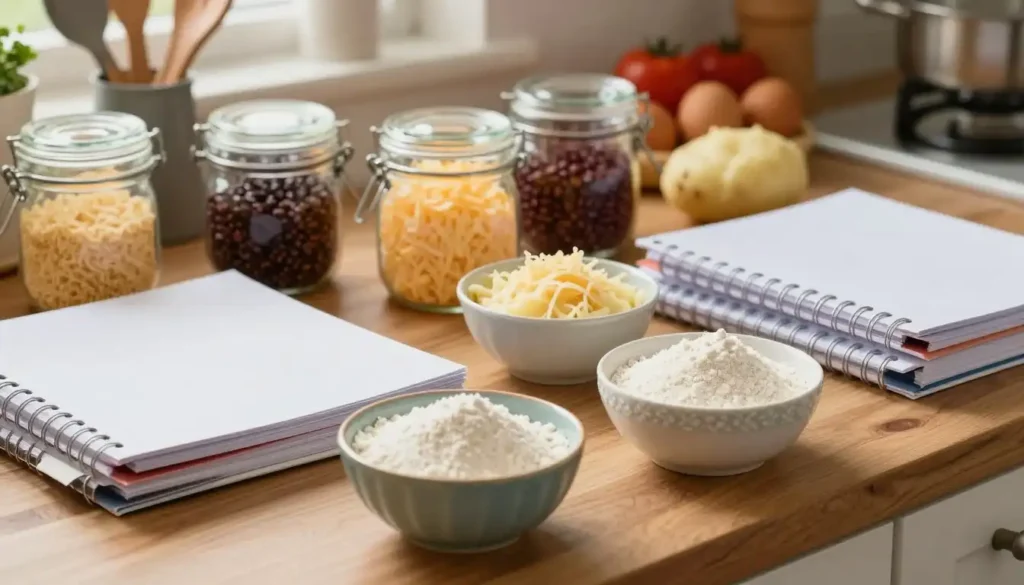
Binders in cooking are key to making recipes work. They change the texture and taste of dishes. Let’s look at different binders and what they do.
Traditional Protein-Based Binders
Protein binders are top choices for cooking. They stick ingredients together well and keep moisture in. Here are some examples:
- Eggs: Eggs are a classic binder. They add richness and help ingredients stick together.
- Dairy Products: Cheese and yogurt are also great binders. They work well in savory dishes.
Starch-Based and Plant-Based Options
Starch binders soak up moisture and help mix ingredients. They’re good for those who want plant-based options. Here are some:
- Breadcrumbs: Breadcrumbs add texture and help ingredients stick in meatballs and veggie patties.
- Flour: Flour is versatile. It’s used in sauces and baked goods to bind ingredients.
- Potato Starch: This is a gluten-free binder. It’s great for thickening and binding.
Modern Egg Replacers and Alternatives
If you avoid eggs, there are many egg replacers. They mimic eggs’ binding abilities. Here are some:
- Flaxseed Meal: Mix it with water to get a gel-like binder for baking.
- Chia Seeds: Like flax, chia seeds make a gel when soaked. They’re great for binding.
- Commercial Egg Replacers: There are powdered substitutes for eggs. They work in many recipes.
Food Binders Other Than Eggs
There are many binders other than eggs. One is:
- Mustard: Mustard is a vegan binder. It adds flavor and helps ingredients stick together. It’s often used in veggie burgers and lentil patties.
Knowing about different binders lets you tailor your recipes. Whether you pick traditional or new binders, the right one can transform your dishes.
3. How to Use Binders in Recipes: A Step-by-Step Approach
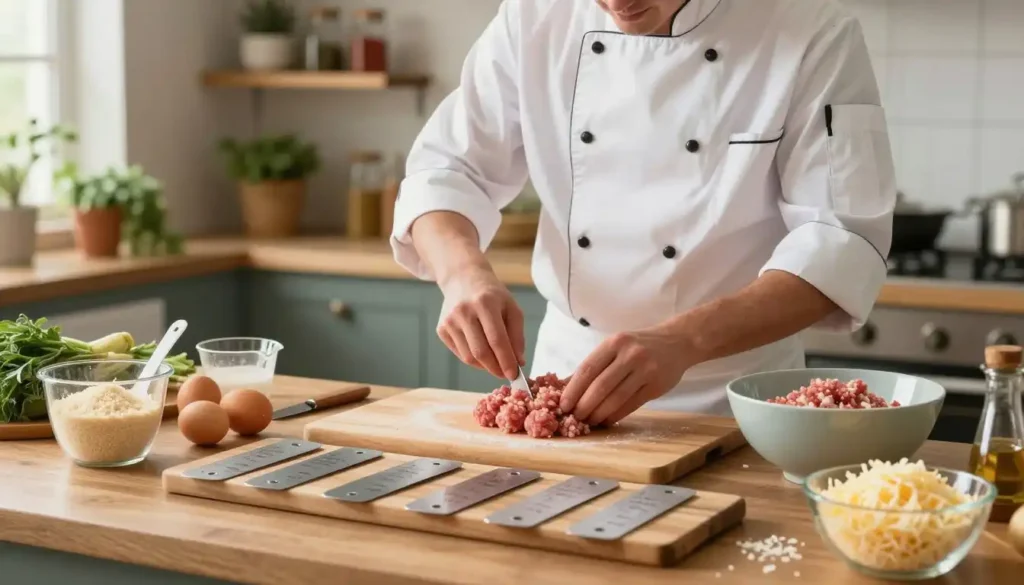
Using binders can make your dishes better, making them more cohesive and flavorful. This guide will show you how to use binders in recipes. You’ll get the best results every time.
Measuring and Incorporating Binders Correctly
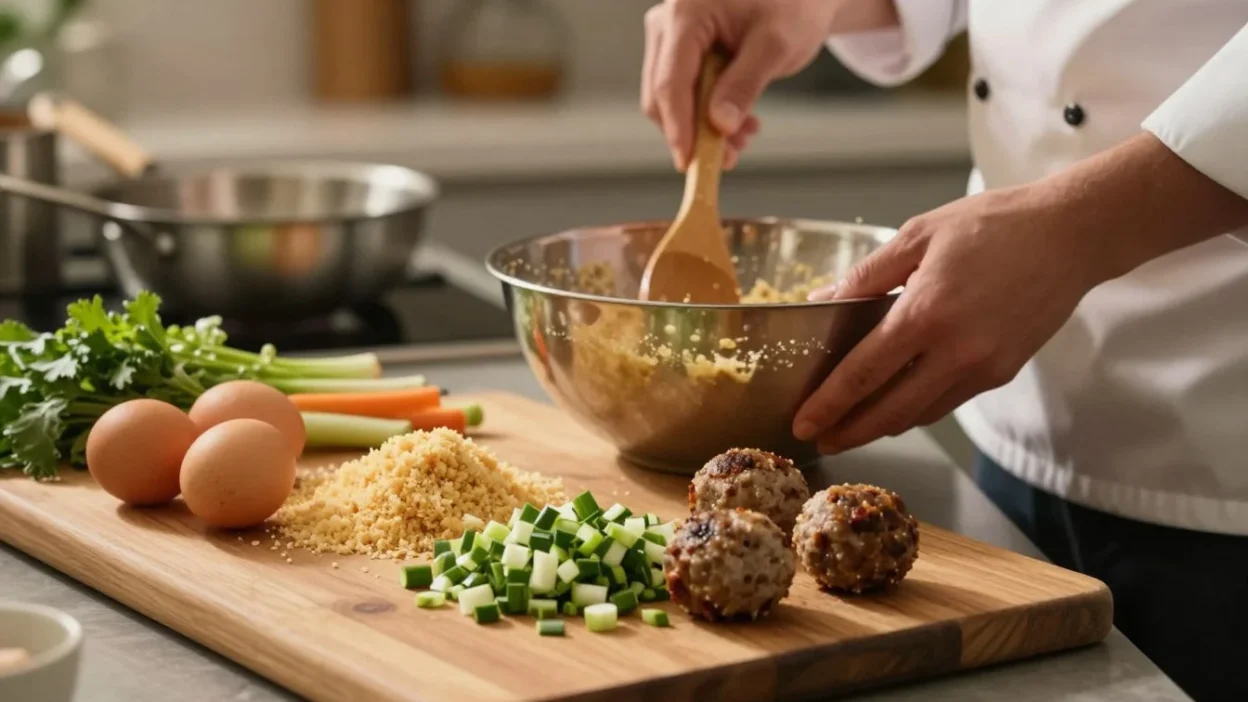
When using binders, being precise is important. The right amount makes a big difference. For example, a 50:50 ratio of grated onion and breadcrumbs is great for meatballs. It keeps them moist and tasty.
To add binders right, start by measuring your ingredients carefully. Mix grated onion with breadcrumbs, letting the onion juices soak in. This makes sure your binder is mixed well.
Also, don’t over-mix after adding the binder. Over-mixing can make meat tough. Instead, gently mix until just combined. This keeps your dish tender.
Timing Your Binder Addition
Timing is key when using binders. Some, like breadcrumb panade, need to soak before mixing with protein. This ensures even moisture.
Other binders, like mustard on a roast, go on just before cooking. This adds flavor without ruining the dish.
Mastering the timing and measuring of binders helps you avoid mistakes. You’ll get a perfect texture every time.
4. Common Cooking Binders and When to Use Each Type
Learning about common cooking binders can make your cooking better. These ingredients improve texture, flavor, and keep moisture in your dishes. We’ll look at popular binders, their uses, and when to use them.
Eggs: The Gold Standard
Eggs are seen as the gold standard for cooking binders. They mix well and add structure to many dishes, from meatloaf to cookies. They also add moisture and richness, making your dishes stay together well.
If you need an egg alternative, there are many options. Flaxseed meal, applesauce, or commercial egg replacers are good choices. They work well in many recipes, great for vegan diets.
Breadcrumbs and Crackers
Breadcrumbs and crushed crackers are great binders, best when soaked in liquids like milk or onion juice. This makes a panade that keeps your dishes moist and tender. Adding grated onion juice boosts flavor and helps bind proteins, preventing shrinkage during cooking.
Cheese as a Binding Agent
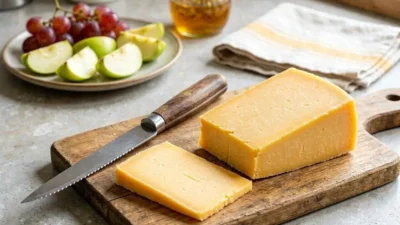
Certain cheeses melt well and act as binders. Mozzarella or cheddar add flavor and help ingredients stick together in dishes like stuffed peppers or casseroles. They also add a creamy texture.
Also, think about the gelatin in beef cheek meat. Slow-cooking breaks it down, making it a strong binder. It enriches sauces and keeps shredded meat together in dishes like barbacoa or ragu.
5. Natural Food Binders: Clean Label Alternatives
Exploring natural food binders can make cooking better. These options improve your dishes’ texture and keep them healthy. We’ll look at seeds and grains, and oats and potato starch.
Seeds and Grains
Seeds like chia and flaxseeds are great for binding. They mix with water to form a gel, making them a good egg replacer. This helps your baked goods and patties stick together.
Mustard seeds also bind well. They add a tangy flavor and moisture. This lets you make dishes with a nice texture without using processed stuff.
Oats and Potato Starch
Rolled oats are perfect for adding bulk to veggie burgers. They help the burgers stay together while cooking. Plus, they make your meals healthier.
Potato starch is another good choice. It’s gluten-free and doesn’t change the taste of your food. It’s great for making things crispy and binding without affecting flavor.
Using these natural binders in your cooking can make your dishes delicious and healthy. They help you create tasty meals that are good for you.
6. Food Binders for Specific Dietary Needs
Binders are key in cooking, but they also play a big role in health and nutrition. Knowing about different binders can help you make better choices, even if you have special dietary needs. This section will look at various binders, from those that help with digestion to those used in detox and medical settings.
Food Binders for Diarrhea and Digestive Health
For those with digestive problems, some foods can be great binders. The BRAT diet, with bananas, rice, applesauce, and toast, is a well-known solution. These foods have soluble fiber, which helps make stool firmer and provides important nutrients when you’re getting better.
- Bananas: Rich in potassium and easy to digest.
- Rice: A great source of carbohydrates that is gentle on the stomach.
- Applesauce: Contains pectin, which helps bind stool.
- Toast: Provides bulk and is easy to digest.
Food Binders for Detox and Cleansing
Detox diets focus on foods that bind to toxins in the gut. Foods high in fiber, like leafy greens and certain fruits, are thought to help. These fibrous foods can help with regular bowel movements and getting rid of waste.
- Leafy Greens: Spinach and kale are high in fiber and nutrients.
- Chia Seeds: Packed with fiber and omega-3 fatty acids.
- Apples: Their skin contains fiber that aids digestion.
Food Binder Medication
In medicine, binders have a different role. Medications like activated charcoal and phosphate binders absorb substances in the gut. Activated charcoal helps with poisoning, while phosphate binders are for patients with kidney issues.
What Are Binders in Medicine
Medical binders are very different from the ones used in cooking. They are special medicines for managing health conditions. It’s important to know the difference for using binders in cooking and health.
If you have dietary restrictions, finding the right binders is key. For gluten-free cooking, try potato starch, chia seeds, or commercial egg replacers. These can help make tasty meals without losing texture or flavor.
Ever wondered, what can I use to substitute eggs? Here are some good alternatives:
- Flaxseed Meal: Mix 1 tablespoon of flaxseed meal with 2.5 tablespoons of water.
- Chia Seeds: Similar to flaxseeds, mix 1 tablespoon with 2.5 tablespoons of water.
- Applesauce: Use 1/4 cup as a substitute for one egg.
- Commercial Egg Replacers: Follow package instructions for the best results.
7. Best Binders for Meat Dishes: From Brisket to Burgers
Choosing the right binder can take your meat dishes to the next level. It improves both flavor and texture, making meals more enjoyable for everyone.
Best Binder for Brisket and Tough Cuts
For brisket, a simple mustard slather is the best binder. It helps the dry rub stick and adds flavor without a strong mustard taste. This method also works well for a rump roast recipe, keeping the herb crust on during slow roasting.
Binding Ground Beef Chuck for Perfect Burgers
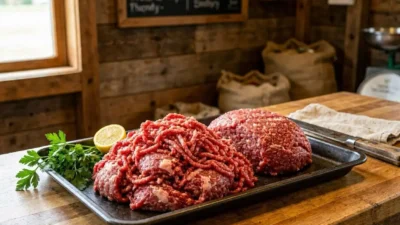
Ground beef chuck, used for burgers, usually doesn’t need much binding because of its good fat content. But, a small amount of egg yolk or panade can make patties juicier and more intact. This small addition greatly improves the burger’s quality.
Meatballs and Meatloaf: Classic Applications
For meatballs and meatloaf, using grated onion and breadcrumbs is key for keeping them moist. If you’re looking for an egg replacement in meatloaf, flax egg or ricotta cheese are good options. They help bind without using eggs.
What is a binder in cooking chicken?
In chicken, like lean ground poultry, binders are critical to avoid dry meatballs or burgers. Greek yogurt, ricotta, or a well-hydrated panade are great choices. They keep chicken dishes moist and full of flavor.
8. Examples of Binders in Cooking Beyond Traditional Uses
Exploring binders in cooking shows us many uses beyond the usual. They help mix textures and flavors in dishes, like in baking and vegetarian cooking.
Binders in Baking
In baking, binders are key for the right texture and structure. Eggs add moisture and help things rise. But, if you need a substitute for eggs in cookies, there are good alternatives.
Mashed bananas and applesauce are great for binding and adding sweetness. Commercial egg replacers also work well, keeping the taste the same. Each choice changes the texture and taste, so pick the right one for your recipe.
Vegetarian and Vegan Binding Solutions
For those on a vegetarian or vegan diet, there are many plant-based binders. Flax and chia seeds mixed with water make a gel for binding. Mashed beans add protein and texture.
Aquafaba, the chickpea liquid, is becoming popular for binding in recipes. It can replace eggs, making baked goods light and airy. Mustard also works as an emulsifier in dressings and a binder in lentil patties, improving flavor and texture.
Lastly, oats and ground nuts can make a dense, sliceable veggie loaf. These examples of binders in cooking show how creative you can be in the kitchen.
9. Conclusion: Mastering Binders for Better Cooking
Learning about binders in cooking opens up a world of possibilities. You’ve seen how binders work and how they change texture and taste. From eggs to mashed banana, there are many choices.
Each binder has its own role. For example, using Greek yogurt instead of eggs adds moisture and a tangy flavor. This small change can make your baked goods taste better and hold together well.
Trying out different binders can be fun. Whether you’re making mustard-glazed brisket or meatballs with onion panade, the right binder makes a big difference. This knowledge helps you fix and improve recipes to match your taste and diet.
Mastering binders lets you control your kitchen. Start this journey and make delicious, perfectly textured meals every time.
FAQ
What is a binder in cooking?
In cooking, a binder is any ingredient that holds other ingredients together. This creates a cohesive texture in dishes like meatloaf and veggie burgers.
Why are binders important in cooking?
Binders are key because they manage moisture and improve texture. They prevent dishes from falling apart, ensuring the right consistency and flavor.
What are some common cooking binders?
Common binders include eggs, breadcrumbs, flour, potato starch, and dairy products. Each has a specific role in different recipes.
How do I use binders in my recipes?
To use binders well, measure them correctly and mix them gently into your recipe. Timing is also key; some binders need to be pre-soaked or added at specific cooking stages.
What are some egg alternatives for binding?
Egg alternatives for binding include flaxseed meal, chia seeds, mashed bananas, applesauce, and commercial egg replacers. These can work well in many recipes.
How do I choose the best binder for gluten-free cooking?
For gluten-free cooking, use binders like potato starch, chia seeds, or commercial gluten-free binders. They help achieve the right texture without gluten.
What is the best binder for brisket?
For brisket, a mustard slather is the best binder. It helps the dry rub stick to the meat and creates a flavorful crust without a strong mustard taste.
Can I use cheese as a binding agent?
Yes, some cheeses can act as binding agents, adding flavor and adhesion when melted in various dishes.
What are some natural binders I can use?
Natural binders include chia and flax seeds, rolled oats, and potato starch. These are clean-label options that help create cohesive dishes without processed additives.
How do food binders relate to digestive health?
Foods like bananas, rice, applesauce, and toast (BRAT diet) act as binders. They help firm up stool, showing a health use of the term “binder.”