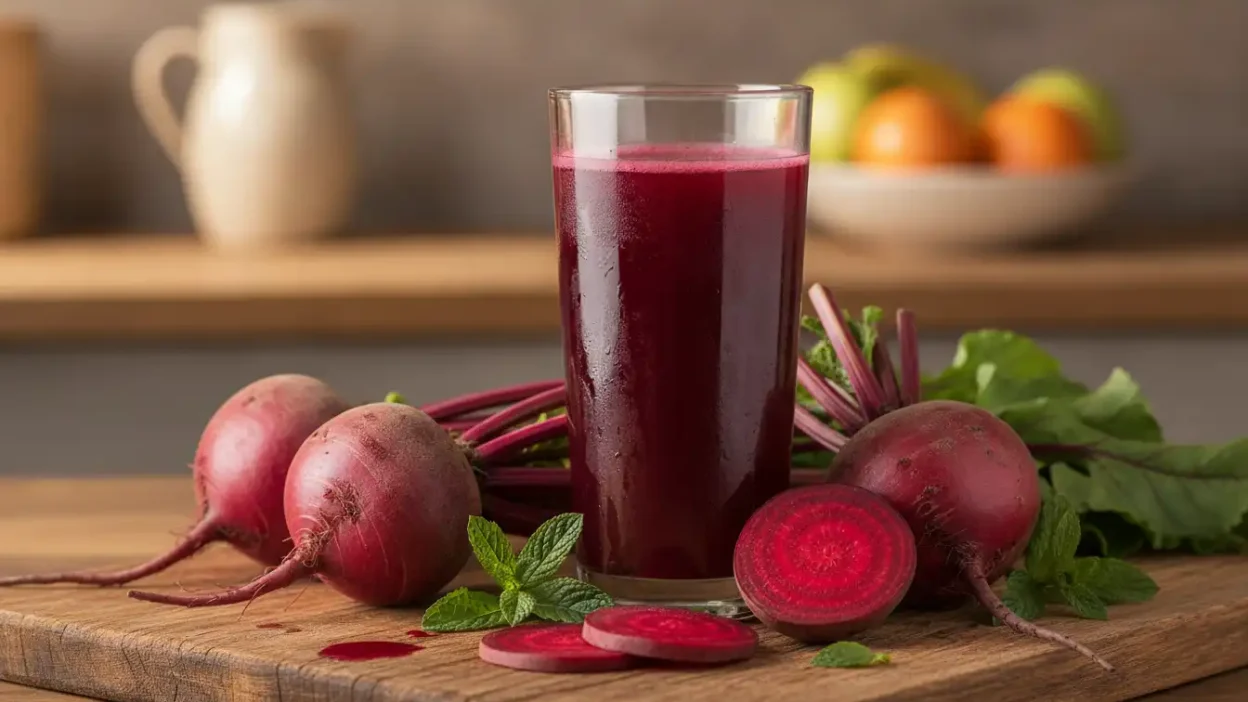
Have you ever thought about how a simple red drink could change your heart health? Many people look for natural ways to stay healthy.
This red superfood has caught the eye of scientists. Studies from The London School of Medicine show its power. Drinking 500 milliliters of beet juice a day can lower blood pressure for up to 24 hours.
The magic is in the natural nitrates. Your body turns them into nitric oxide. This helps your blood vessels relax and get bigger. This leads to better blood flow.
Choosing cold pressed organic beet juice gives you more than just better blood flow. Each glass is packed with vitamin C, folic acid, B vitamins, and minerals like potassium and iron. These nutrients help your body in many ways.
Romans used beetroot for medicine long ago. Today, science backs up their wisdom. You can now enjoy these health benefits with today’s knowledge.
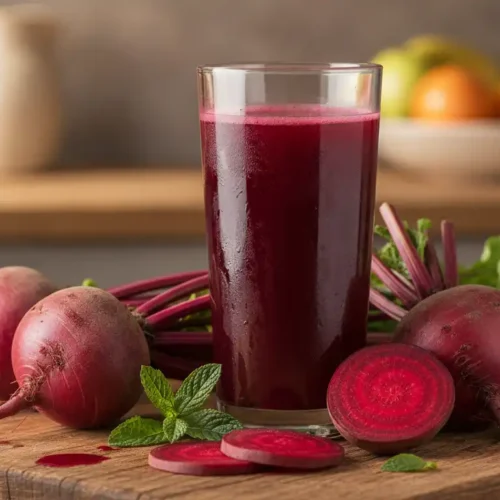
Organic Beet Juice for Better Circulation and Overall Health
Equipment
- Juicer or blender, vegetable brush, knife, cutting board, fine-mesh strainer or sieve, nut milk bag (optional), airtight glass bottle or mason jar, serving glass(es)
Ingredients
- 2 medium organic beets
- 3 carrots
- 1 apple
- 1- inch piece fresh ginger
- 1 lemon optional
- 2 tablespoons plum juice optional
Instructions
- Wash the beets, carrots, apple, ginger, and lemon thoroughly.
- Scrub the beet skin clean and trim any greens.
- Cut all ingredients into pieces suitable for your juicer.
- Juice the beets, carrots, apple, ginger, and lemon together.
- If using a blender, blend with a small amount of water and strain through a fine mesh sieve or nut milk bag.
- Stir in plum juice if desired.
- Serve immediately or store in an airtight glass container in the refrigerator.
Notes
- Cold pressing preserves the highest amount of nutrients.
- Drink within 24–48 hours for maximum freshness.
- Store in airtight glass containers.
- Shake before serving as natural separation may occur.
- Beet juice may cause harmless pink or red urine (beeturia).
Nutrition (Approximate Per Serving)
- Calories: 90 kcal
- Carbohydrates: 21 g
- Protein: 2 g
- Fat: 0.5 g
- Fiber: 3 g
- Sugar: 15 g
- Potassium: 550 mg
- Vitamin C: 18 mg
- Folate: 110 mcg
- Iron: 1.2 mg
Storage
Store refrigerated in an airtight glass container for up to 48 hours.Health Benefits
- Supports healthy blood circulation
- Promotes nitric oxide production
- Helps maintain healthy blood pressure
- Rich in antioxidants and betalains
- Enhances exercise performance and endurance
- Supports liver function and natural detoxification
- Provides vitamin C, folate, potassium, and iron
Calories
Approximately 90 kcal per servingOrganic Beet Juice Benefits
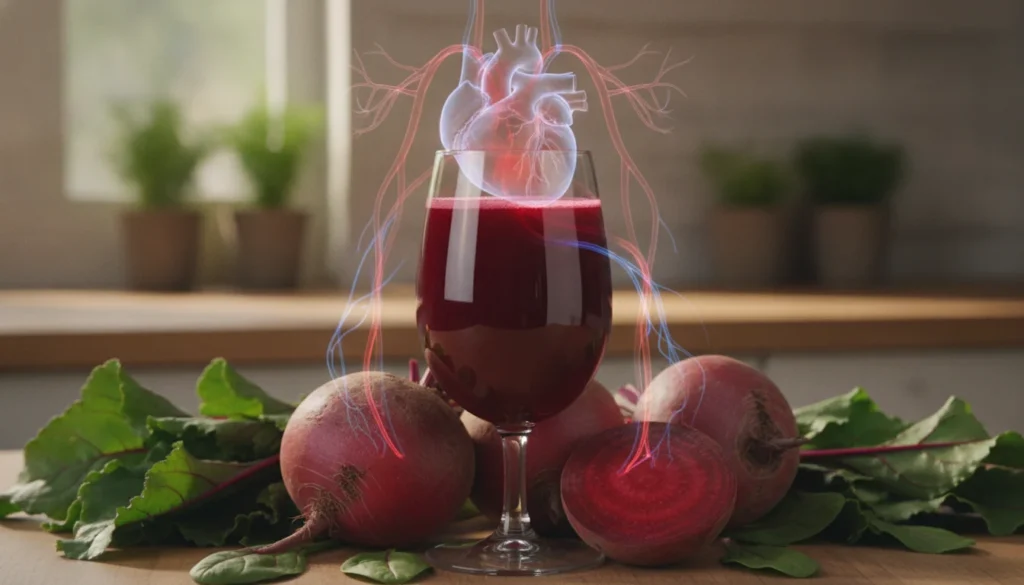
Drinking organic beet juice starts a chain of events that boosts your body’s circulation, energy, and cell protection. The best organic beetroot juice is packed with compounds that improve your heart health, boost your physical performance, and protect your cells. These nutrients, including nitrates, betalains, and antioxidants, turn into health-boosting molecules in your body.
These compounds work together to make beet juice a key drink for athletes, health fans, and anyone wanting to boost their wellness. It improves blood flow right away and supports heart health and reduces inflammation over time.
The Nitric Oxide Pathway and Vascular Function
Drinking nitric oxide beet juice starts a cool chemistry in your body, starting when you first taste it. The nitrates in beet juice, about 250 milligrams per kilogram, start a process that relaxes and widens your blood vessels. This process is precise and maximizes the benefits for your heart.
About 25 percent of the nitrates you swallow go through the entero-salivary cycle. Good bacteria on your tongue turn these nitrates into nitrites, which then become nitric oxide in your blood. This nitric oxide tells your blood vessels to relax and expand, making blood flow more freely throughout your body.
This process affects every part of your body. Better circulation means more oxygen and nutrients for your brain, muscles, and organs. Whether you choose fresh juice or concentrate, you’re helping your heart keep blood flowing well.
Blood Pressure Management and Heart Protection
Studies from British universities show that nitric oxide beet juice lowers blood pressure for up to 24 hours. Drinking two cups of beet juice makes your blood vessels relax, reducing your heart’s workload and making it pump blood more efficiently.
Beet juice does more than just lower blood pressure. It also improves oxygen delivery to your heart muscle and reduces resistance in your arteries. This creates a cycle where better circulation supports heart health, keeping blood pressure healthy.
You don’t need heart problems to benefit from beet juice. Regularly drinking it keeps your blood vessels flexible and responsive. This helps prevent heart problems and is a key reason to add beet juice to your routine.
Exercise Capacity and Endurance Enhancement
The same nitric oxide pathway that improves circulation also boosts your exercise performance and recovery. Drinking organic beet juice concentrate before working out means your muscles need less oxygen. This makes exercising longer, harder, and recovering faster.
Studies show beet juice benefits everyone, from athletes to beginners. It makes physical activities feel easier by reducing oxygen needs. Your muscles get more blood flow, delivering nutrients and removing waste more efficiently.
The stamina boost is noticeable within hours and lasts through your workout. Athletes can keep up high intensity longer, while beginners feel less tired during daily activities. This boost comes from optimizing your body’s natural processes, not artificial stimulants.
Cellular Defense and Inflammation Control
The deep-red color of beet juice comes from betalain pigments, which are powerful antioxidants and anti-inflammatories. At the cellular level, these betalains fight free radicals and reduce chronic inflammation in your body. This protection is in every cell, from your heart to your brain.
Beet juice also has phenolic compounds like epicatechin and caffeic acid that work with betalains to fight oxidative stress. Studies show beet juice has more antioxidant power than many other juices. It beats out tomato, carrot, and orange juices in antioxidant activity.
This cellular protection is key for long-term health because chronic inflammation and oxidative damage cause many age-related diseases. Regularly drinking beet juice gives your cells continuous antioxidant support to stay healthy. Its anti-inflammatory effects also help with exercise recovery, reduce inflammation markers, and boost overall vitality.
Your body’s defense systems are stronger with these plant compounds. Improved circulation, reduced inflammation, and enhanced antioxidant protection offer a complete wellness approach. This is why beet juice is known as one of the most nutrient-dense beverages you can add to your daily routine.
Organic Beet Juice Recipe
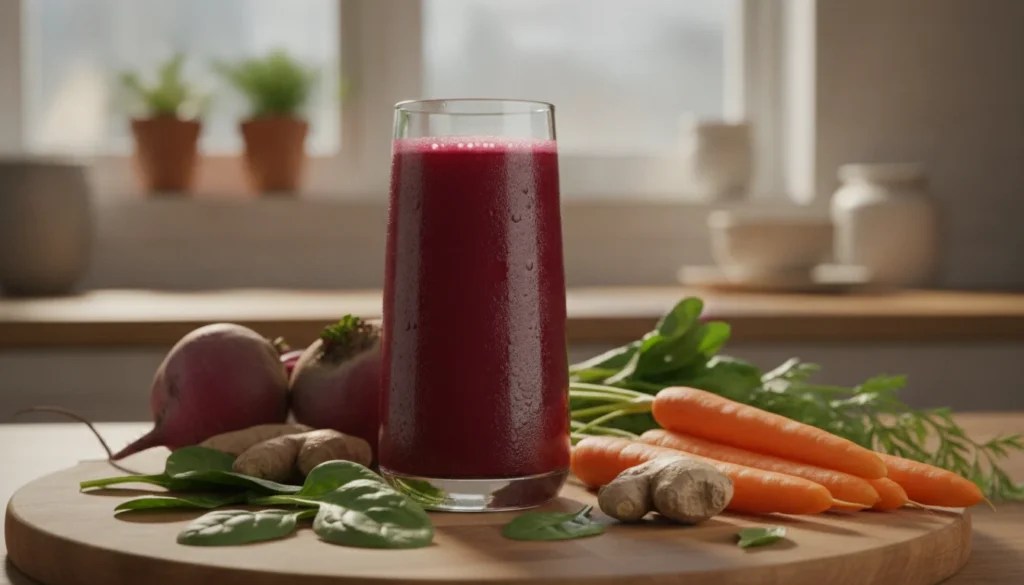
You can make a powerful health drink from fresh organic beets in your kitchen. Just a few simple steps are needed. Making your own juice lets you control the quality and avoid added sugars or preservatives.
Understanding each step is key to making great homemade juice. From picking the best produce to storing it right, every choice matters. It affects the taste and health benefits of your juice.
Choosing Quality Organic Beets
Your juice starts with the beets you pick. Look for organic beets that are firm and have smooth skin. The best ones are deep in color and have no soft spots.
Fresh greens on the beets mean they were picked recently. Medium-sized beets taste the best. Avoid big beets because they can be woody and taste bad.
Check these quality indicators when shopping:
- Firm texture without soft or mushy spots
- Smooth skin free from major blemishes or cuts
- Deep red or golden color depending on variety
- Fresh-looking greens if they’re attached
- No signs of mold or excessive dirt buildup
Preparing Fresh Beets for Juicing
Start by rinsing your beets under cool water. Use a brush to clean the skin. This is important if you’re going to juice with the skin on.
The peel has nutrients and betalains that are good for you. You can leave it on for more nutrition, or peel it for a milder taste. If peeling, remove only the thin outer layer.
Cut your beets into quarters or smaller chunks. This depends on your juicer’s size. Trim off the greens but save them for juicing or salads.
Cold Pressing Versus Blending Approaches
The method you choose affects the juice’s quality. Cold pressed beet juice keeps more nutrients because it’s pressed gently. Masticating juicers and hydraulic presses are best for this.
These juicers crush and press slowly, keeping the juice smooth and fresh. Cold pressing makes the highest quality organic beet juice concentrate.
Blending is faster and keeps all the fiber. High-speed blenders can make a thick drink quickly. Blending does make some heat, but you’ll get most nutrients if you drink it right away.
Consider these method comparisons:
- Cold pressing preserves maximum enzymes and nutrients
- Blending retains all beneficial fiber content
- Pressing creates smoother, less pulpy juice
- Blending requires less specialized equipment
- Cold pressed options typically store slightly longer
Mixing Beet Juice with Complementary Flavors
Pure beet juice is powerful but can taste earthy. Mixing it with other ingredients makes it taste better and adds more nutrients. Adding ingredients creates a balanced drink with extra health benefits.
Carrots add sweetness and beta-carotene, softening the beet taste. Apples add tartness and antioxidants. Ginger adds anti-inflammatory compounds and spice.
Lemon juice brightens the taste and adds vitamin C. This helps your body absorb iron from beets. Adding a bit of plum juice adds unique flavor and antioxidants.
Try these complementary ingredient ratios:
- Classic blend: 2 beets, 3 carrots, 1 apple, 1-inch ginger piece
- Citrus boost: 2 beets, 2 apples, 1 lemon, small cucumber
- Sweet balance: 2 beets, 4 carrots, 1 apple, 2 tablespoons plum juice
- Green fusion: 1 beet, 1 apple, 2 celery stalks, handful spinach
Straining and Proper Storage Methods
After juicing or blending, decide if you want pulp in your juice. If blending, strain the mix through a fine-mesh sieve or nut milk bag. This separates the juice from pulp.
Some like to keep pulp for extra fiber. It’s up to you. Either way, you keep the juice’s health benefits.
Put your juice in airtight glass containers right away to prevent oxidation. Dark glass bottles are best because they protect nutrients from light. Fill containers to the top to reduce air space that can cause nutrient loss.
Keep your juice in the fridge at 35-40°F for the best preservation. Homemade juice stays fresh for 24-48 hours. Betalains and other nutrients start to break down after exposure to air and light.
Label your containers with the date you made them. Drink your juice within two days for the best taste and nutrition. The flavor may change slightly after the first day, but it’s safe to drink.
Follow these storage best practices:
- Use airtight glass containers instead of plastic
- Fill bottles completely to minimize air exposure
- Store in the coldest part of your fridge
- Drink within 24-48 hours for peak nutrition
- Shake gently before drinking as separation occurs naturally
Beet juice stains easily because of its intense color. Wear an apron and clean your equipment right away. Lemon juice or vinegar can help remove stains from surfaces and cutting boards.
Best Organic Beet Juice
Finding the best organic beetroot juice is easier once you know what to look for. The market has many choices, from single-ingredient cold pressed to pasteurized blends. Knowing how to pick the right one helps you get the most health benefits and enjoy the taste.
Quality varies a lot between brands. It depends on how they source, process, and concentrate the beets. Some juices are ready to drink, while others are concentrated shots with more nutrients per ounce. Knowing these differences helps you make better choices for your health goals.
What Separates Premium Products from Basic Options
Look for USDA Organic certification to ensure the juice is made from organic beets. This means the beets were grown without harmful chemicals or genetically modified organisms. Choosing certified organic supports your health and sustainable farming.
The nitrate content is key for heart health and athletic performance. Top products have 250-400 mg of natural nitrates per serving. Check the labels or ask the manufacturer to confirm nitrate levels, as not all brands share this info.
It’s important to choose juices with only organic beet juice and maybe a bit of lemon for taste and preservation. Avoid juices with added sugars, artificial preservatives, or fillers that can reduce the juice’s benefits.
Concentration affects both the juice’s potency and value. Ready-to-drink juices need 8-16 ounces for benefits, while concentrated shots offer the same in 2-4 ounces. This is great for busy people or when traveling.
The color of the juice comes from betalain pigments. These vary by beet type and processing. Deeper colors mean more antioxidants, as tested by DPPH and FRAP assays.
Processing Methods That Preserve Nutritional Value
Cold pressed juice keeps more nutrients than heat-processed juices. It uses hydraulic pressure without heat. This keeps enzymes, vitamins, and beneficial compounds intact.
Cold pressed juices have more nitrates, antioxidants, and enzymes. They need refrigeration and last 3-5 days after opening. You get juice as fresh as possible.
Pasteurized juices are treated with heat to kill bacteria and last longer. They can stay at room temperature until opened. But, heat can damage some nutrients, reducing their value.
Choosing between cold pressed and pasteurized depends on what you value more. Cold pressed juices offer more nutrients but need refrigeration and are consumed faster. Pasteurized juices are more convenient and last longer but have less nutritional value.
High Pressure Processing (HPP) is a compromise. It uses pressure instead of heat to kill bacteria and preserve nutrients better than traditional pasteurization. HPP products last longer and keep more of the raw juice benefits than heat-treated ones.
Products That Deliver Quality and Results
Beet-It Sport beetroot juice is known for its nitrate content. Each 2.4-ounce shot has about 400 mg of dietary nitrate. Studies show it improves performance, making it a trusted choice.
Beet-It’s concentrated format means you get therapeutic doses in a small amount. This is convenient for those who prefer not to drink large amounts of juice. The intense flavor is a plus for some but a minus for others.
Lakewood Organic Pure Beet Juice is a simple, cold pressed choice. It has only organic beet juice, no added ingredients. The 32-ounce bottles are more affordable than concentrated shots.
Unbeetable Performance Beetroot Juice is another concentrated option for athletes. It has standardized nitrate levels like in research studies. It uses organic beets and maintains quality control for consistent batches.
When picking the best organic beetroot juice, consider these factors:
- Serving size requirements: Concentrated shots are convenient, while ready-to-drink formats are easier to consume daily
- Taste preferences: Some brands mix beet juice with apple or lemon for better taste
- Budget considerations: Concentrated products are pricier but offer more servings when diluted
- Storage capabilities: Cold pressed juices need refrigeration, while pasteurized ones can stay at room temperature
- Intended use: Athletic performance juices focus on nitrates, while wellness juices offer more nutrients
Start with about 500 milliliters of regular-strength organic beet juice or the equivalent in concentrated form. This amount supports heart health and performance, based on research. Adjust as needed for your health goals.
Beeturia, a harmless condition causing pink or red urine, can happen with regular beet juice consumption. It affects about 10-14% of people. The juice’s earthy flavor varies by brand, so try different ones to find what you like.
Quality organic beet juice is an investment in your health. By understanding certifications, processing, and product characteristics, you can choose juices that deliver real benefits, not just marketing promises.
Organic Beet Juice Lakewood
Lakewood is a top choice for pure organic beet juice without additives. This family-owned company has been dedicated to quality for over 80 years. They make single-ingredient juices that keep the natural benefits of fresh veggies.
Lakewood gets its beets from certified organic farms that use sustainable methods. These farms grow nutrient-rich beets without synthetic pesticides or chemical fertilizers. This means you get real beet flavor and health benefits.
What Sets This Brand Apart
Lakewood stands out because of its cold-pressed methodology. This method keeps heat-sensitive nutrients safe. Unlike many brands, Lakewood doesn’t use high-heat pasteurization that can destroy these nutrients.
The company believes in being open and simple. A bottle of their organic beet juice has just one ingredient: organic beet juice. You won’t find added sugars, preservatives, artificial colors, or flavor enhancers.
Lakewood follows strict quality control standards at every step. From picking the best beets to bottling, they ensure quality. Their glass bottles protect the juice from light and prevent chemical leaching.
Complete Nutritional Content
Understanding the nutritional profile shows why this product is special. Each serving of Lakewood organic beet juice is packed with nutrients your body needs.
It’s rich in vitamin C, which boosts your immune system and acts as an antioxidant. You also get folate, a B-vitamin important for cell division and DNA synthesis. These vitamins support many bodily functions.
Minerals like potassium and iron are also present. Potassium is good for your heart and muscles, while iron helps carry oxygen in your blood. The natural nitrate content helps your blood vessels and improves circulation.
Key nutritional highlights per serving:
- Natural dietary nitrates supporting cardiovascular function
- Betalains providing antioxidant and anti-inflammatory effects
- Essential minerals including potassium, magnesium, and iron
- B-vitamins supporting energy metabolism and cellular health
- Fiber from the whole beet contributing to digestive wellness
Adding It to Your Daily Health Routine
Adding this juice to your daily routine is easy. Many people drink it first thing in the morning. This helps your body absorb nutrients better and gives you energy all day.
If you’re into sports, drink your serving two to three hours before exercise. This lets the juice’s benefits kick in, helping you perform better and use less oxygen.
Start with four ounces if you’re new to beet juice. Gradually increase to eight ounces as you get used to it. Some people might feel a bit of digestive change at first, but it usually goes away in a few days.
Here are some fun ways to use Lakewood beet juice:
- Mix it with fresh apple or carrot juice for a sweet taste
- Add it to morning smoothies with berries and greens
- Make healthy salad dressings with olive oil and lemon
- Use it as a natural food coloring in healthy baking
You can find Lakewood organic beet juice at health food stores like Whole Foods and Sprouts. Online, Amazon and Thrive Market offer delivery right to your door.
Make sure to check the production date on bottles for freshness. Once opened, keep it in the fridge and drink within seven to ten days. The glass bottles are recyclable, supporting your eco-friendly lifestyle.
Organic Beet Juice Near Me
Finding organic beet juice is easier than you think. You can look for it in local stores and online. Many places now sell this healthy drink, from big stores to health shops and online sites.
Knowing where to buy helps you choose what’s best for you. You might want something fresh, affordable, or easy to get. Each place has its own benefits for adding organic beet juice to your diet.
Finding Organic Beet Juice at Local Retailers
Big grocery stores now have more organic foods. Whole Foods, Sprouts, and Natural Grocers have lots of organic beet juice. You’ll find it in the cold-pressed juice section.
Even regular supermarkets like Kroger and Safeway sell organic juice now. Check the fridge and shelf-stable areas for different options.
When shopping locally, look for these signs of quality:
- USDA Organic certification on the label
- Simple ingredient lists with few additives
- Recent production or expiration dates
- Proper cold storage for fresh juices
- Reputable brands known for quality
Talking to store staff in the natural foods section can help. They can tell you about new products, help with orders, and let you know about sales.
Health Food Stores and Specialty Markets
Health food stores and specialty markets offer more than regular grocery stores. They have a wide range of best organic beetroot juice brands. The staff can give you advice based on your health goals.
These stores focus on quality over quantity. You can find unique brands and flavors not found in big stores. They also support local farmers, giving you fresh products.
The staff at these stores is very knowledgeable. They can explain the differences in juices and suggest other products for your health. Don’t hesitate to ask questions about how the juice is made and stored.
These stores often have loyalty programs and email updates on sales. They also let you pre-order products. This makes shopping more personal than just buying.
Online Ordering Options for Direct Delivery
Shopping online for organic beet juice is very convenient. Big online stores have a wide selection. Amazon has many brands and customer reviews to help you choose.
Specialty online health stores offer even more benefits:
- Thrive Market – Discounted organic products with membership
- Vitacost – Wide selection with promotions and bulk options
- iHerb – International shipping with good prices on wellness products
- Brand websites – Buy directly from manufacturers with subscription discounts
Subscription services are great if you drink beet juice often. Many brands offer automatic delivery at a discount. This way, you always have juice without having to remember to order.
Online shopping lets you compare prices and read about products before buying. Many sites offer free shipping on big orders, making bulk buying cheaper.
Buying shelf-stable juice online in bulk can save money. But, refrigerated juice needs fast shipping to stay fresh, which costs more.
Juice Bars and Fresh Pressed Options
Juice bars are the best place to get organic beet juice fresh. Chains like Jamba Juice and Juice Generation have beet juices. Local places can make juices just for you.
Fresh-pressed juice is better than bottled because it’s made right before you drink it. Juice bars use local, organic produce, which is good for the environment and your health.
When you go to a juice bar, ask these questions:
- Do you use certified organic beets?
- How long should I drink the juice after it’s made?
- Can you make a custom blend for me?
- Do you offer bulk or loyalty programs?
Fresh-pressed juice is more expensive than bottled because of the labor and ingredients. But, it tastes better and is healthier, making it worth the extra cost.
Use online tools and apps to find juice bars near you. Yelp, Google Maps, and juice finder apps can help. Juice bars also post on social media about specials and new items.
Farmers’ markets are another great place for fresh beets or juice. You support local farmers and get the best products at good prices. Many vendors will talk about how they grow their beets and when they’re at their best.
Talking to juice bar staff can get you special service, updates on sales, and advice on when to drink your juice. Some places let you pre-order, saving you time in the morning.
Organic Beet Juice Powder
If you’re looking for a convenient way to get beet juice’s benefits, organic beet juice powder is a great choice. It’s packed with nutrients and doesn’t need refrigeration. This makes it perfect for busy lives and travel.
Beetroot powder is made using low-temperature methods. This keeps the important compounds like nitrates and antioxidants intact. These are key for your health.
Powder Versus Liquid: Key Advantages
Choosing between organic beet juice powder and liquid depends on your lifestyle. Powder has many benefits that make it a better choice for many.
Shelf stability is a big plus. Powder lasts much longer than liquid, months or even years, when stored properly. This means less waste and no worries about it going bad.
Here are some reasons why powder is so convenient:
- It’s easy to take with you, no spills or refrigeration needed
- You can control how much you take easily
- It’s quick to mix, no prep time needed
- It takes up less space than bottles of juice
Concentration advantages make powder very valuable. It has 8 to 10 times more nutrients than fresh juice. A small amount can give you the same benefits as a full glass.
With powder, you can adjust how much you take. This is harder with pre-measured liquid bottles.
Effective Usage Methods
To use organic beet juice powder right, you need to know how to mix it well. This ensures you get all the nutrients.
Start by adding the powder to your liquid, not the other way around. This helps prevent clumps and mixes everything evenly. You can use water or other liquids like fruit juice or plant-based milk for flavor.
Proper mixing technique is simple:
- Put 6 to 8 ounces of liquid in your glass or shaker bottle
- Measure 1 to 2 teaspoons of powder
- Put the powder on top of the liquid
- Stir or shake for 30 seconds until it’s all dissolved
- Let it sit for a minute, then stir again before drinking
A shaker bottle with a mixing ball works best. If you notice any settling, just stir it again before drinking to get all the nutrients.
You can also add the powder to smoothies during blending. The blender mixes it in without any clumps. Or, you can mix it into yogurt, oatmeal, or applesauce if you prefer it with food.
Dosage Guidelines for Optimal Results
Research suggests taking 1 to 2 teaspoons of organic beet juice powder daily. This amount is like drinking 500 milliliters of liquid beet juice, which has shown to improve heart health.
Your needs might vary based on your weight, fitness goals, and heart health. Athletes might need more, while those looking for general wellness might do fine with less.
Start with a small amount to see how your body reacts. Begin with half a teaspoon for a few days, then increase to one teaspoon. After a week, you can go up to 1 to 2 teaspoons if you can handle it.
Here are some dosing tips for different goals:
- General heart health: 1 teaspoon with breakfast
- Boost athletic performance: 1 to 2 teaspoons 90 to 120 minutes before working out
- Manage blood pressure: 1 teaspoon twice a day, morning and evening
- Boost nitric oxide: 2 teaspoons daily, split into two servings
Consistency is key for long-term benefits. Pick a daily routine that you can stick to to keep your body’s nitrate levels steady.
Creative Recipe Applications
Beet powder can be added to smoothies and recipes for more ways to enjoy it. Its earthy flavor blends well with many ingredients, and you can mask any taste you don’t like.
Smoothie combinations are great for getting your daily dose. Mix it with bananas, berries, and spinach for a nutritious breakfast. The sweetness of the fruit balances out the earthy taste and adds vitamin C for better nitrate absorption.
Try this simple recipe: one banana, one cup frozen mixed berries, one teaspoon organic beet juice powder, one cup almond milk, and one tablespoon almond butter. Blend until smooth for a tasty pre-workout snack.
You can also add powder to other foods:
- Breakfast options: Stir into oatmeal, yogurt bowls, or chia pudding for a morning boost
- Snack ideas: Mix into energy ball recipes with dates, nuts, and cocoa powder
- Baked goods: Add to muffin or pancake batter for extra nutrition and color
- Savory dishes: Use in vegetable soups, pasta sauces, or hummus for a natural flavor
When picking the best organic beetroot juice powder, check the ingredients. Look for pure products without fillers or additives. Organic certification means the beets were grown without harmful pesticides.
Knowing the difference between whole beet powder and beet juice powder helps you choose better. Whole beet powder is ground dried beets, while beet juice powder is concentrated juice that’s been dried. The latter has more nitrates for heart health.
Maximizing absorption means using it wisely. Take it with vitamin C sources to help your body use the nitrates better. Avoid antibacterial mouthwash for a few hours after taking it, as it can interfere with the conversion process.
Taking it on an empty stomach might help absorption, but if you’re sensitive, taking it with food works too. The most important thing is to take it every day to keep your nitrate levels steady for better heart health.
Organic Beet Juice Benefits for Men
Beet juice can change how you think about heart health and energy. Men face unique health challenges as they get older. Beet juice offers natural support for these issues.
Men are more likely to get heart disease and at a younger age than women. Beet juice’s nitrates turn into nitric oxide, which helps your heart and muscles. This boosts your energy levels too.
Supporting Men’s Cardiovascular Health
Heart health is key as you get older. Men are at higher risk for heart disease than women. Beet juice helps manage blood pressure, a major concern.
Beet juice makes your blood vessels flexible. This reduces heart strain during rest and exercise. Studies show men who drink beet juice have better heart health.
Beet juice also makes your blood vessels more flexible. This improves blood flow and reduces heart stress. Your heart doesn’t have to work as hard.
Men with high blood pressure can see a 4-10 mmHg drop in systolic pressure. This effect lasts up to 24 hours. It’s a natural way to lower blood pressure without medication.
Enhanced Exercise Performance and Muscle Recovery
Beet juice boosts your athletic performance. It improves oxygen delivery to your muscles. This means you can train harder and longer.
Drinking beet juice 2-3 hours before exercise improves performance. Men see 1-3% better results in running, cycling, and interval training. These small improvements can make a big difference in competition.
Beet juice makes your muscles more efficient. This means you can go longer without getting tired. You’ll be able to do more reps or stay intense longer.
Recovery between workouts gets faster with beet juice. It reduces inflammation and improves blood flow to muscles. This helps your body repair and rebuild faster.
Beet juice is great for men who lift weights or do resistance training. It delivers nutrients and oxygen to muscles better. This helps with both immediate performance and long-term muscle growth.
Natural Support for Healthy Blood Flow and Circulation
Your body needs good circulation to work well. Blood flow affects your brain, energy, and healing. Beet juice helps your whole body by improving blood flow.
Good circulation helps your organs work better. Your brain gets more oxygen, improving focus. Your kidneys filter waste better, and your skin gets more nutrients.
Nitric oxide from beet juice makes your blood vessels dilate. This means your heart doesn’t have to work as hard. This reduces strain on your heart over time.
Men often have circulation problems in their hands and feet as they age. Beet juice keeps your blood vessels open. This helps keep your extremities warm.
Your digestive system also benefits from better blood flow. This improves nutrient absorption and waste removal. It helps with digestion and energy.
Testosterone and Overall Vitality
Your hormones are connected to heart health and circulation. Beet juice doesn’t directly raise testosterone but supports hormone function. Improved blood flow and reduced oxidative stress help hormones work better.
Men who drink beet juice regularly feel more energetic and focused. They have better mental clarity and focus. This is because beet juice supports your body’s basic functions.
Beet juice boosts stamina for daily tasks, not just exercise. You’ll feel less tired during work and have more energy in the evenings. It supports sustained energy, not just quick boosts.
Beet juice can also improve sleep quality. Better blood flow helps you relax and sleep better. This supports testosterone production and recovery, creating a positive cycle.
When to drink beet juice matters for the best benefits. Many men drink it in the morning for all-day energy. Others drink it before workouts. Find what works best for you.
Be realistic about how beet juice works. You’ll see effects within 2-3 hours, with more benefits after 2-3 weeks. Performance will improve within a week of regular use before workouts.
Incorporating Organic Beet Juice into Your Detox and Wellness Routine
Detoxification doesn’t have to be complicated with organic beet juice. Your body naturally gets rid of toxins every day. But, modern life exposes you to pollutants and chemicals that can overwhelm your body.
Adding organic beet juice to your routine supports your body’s detoxification. This vibrant root vegetable has unique compounds that work with your body’s natural cleansing. You’ll learn how to create wellness protocols that support long-term health.
Supporting Your Body’s Natural Cleansing with Liver Protection
Your liver filters toxins from your bloodstream. Organic beet juice contains betalains that support your liver’s detoxification pathways. These pathways help neutralize harmful substances for safe elimination.
Research shows that beetroot increases glutathione levels in your body. Glutathione is your master antioxidant, binding to toxins for elimination. Regularly drinking beet juice supports this critical detoxification system.
Beet juice helps your body process heavy metals from contaminated water and pollution. The compounds in beets protect your liver cells and promote regeneration. This supports your body’s natural detoxification.
Beetroot extracts keep liver enzyme levels healthy even after oxidative challenges. This protective effect helps your body strengthen its antioxidant defenses. You’re not just adding antioxidants but also boosting your body’s own defenses.
Building an Immune-Boosting Wellness Tonic
Making a wellness tonic with beet juice and immune-supporting ingredients is powerful. This approach draws from traditional remedies and is accessible to all. You can make an alcohol-free version for great health benefits.
Start with organic beet juice as your base. Add ginger for its anti-inflammatory properties. Include raw apple cider vinegar for probiotics and pH balance.
Add turmeric for liver detoxification support. Use a small amount of horseradish for circulation and sinus clearing. Cayenne pepper boosts metabolism and nutrient absorption.
Finish with lemon or orange juice for vitamin C and antioxidants. Raw honey adds antimicrobial properties and sweetness. This mix creates a synergistic effect where ingredients work better together.
Prepare this tonic in batches and store it in glass jars for up to a week. Take one to two tablespoons daily, diluted in warm water. This provides consistent immune support and detoxification.
Creating Synergistic Juice Combinations for Enhanced Cleansing
Pairing organic beet juice with other ingredients boosts its cleansing effects. Strategic combinations offer nutritional support and target detoxification. Understanding which ingredients work best together maximizes benefits.
Carrot juice pairs well with beet juice, adding beta-carotene and liver support. The mix provides antioxidants and is easier to drink than beets alone.
Cucumber juice adds hydration and supports kidney function. It helps flush toxins and dilutes the beet taste. This is great for beginners.
Celery juice offers natural sodium and digestive health support. It helps restore electrolyte balance during cleansing. Beet and celery juice support liver detoxification and gut health.
Include plum juice for antioxidants and digestive regularity. Plums help with healthy elimination. This ensures toxins are properly removed.
Leafy green juices like spinach or kale increase chlorophyll content. Chlorophyll supports blood cleansing and oxygenation. These additions make your beet juice detox cleanse a nutritional powerhouse.
Try this effective combination: 4 ounces beet juice, 4 ounces carrot juice, 2 ounces cucumber juice, 2 ounces celery juice, and 1 ounce plum juice. This blend offers balanced flavors and detoxification support.
Following a Safe and Effective Cleanse Protocol
A structured beet juice detox cleanse protocol is safe and effective. Start slowly to avoid overwhelming your system. A gentle approach is better than aggressive cleanses.
Begin with one glass of diluted organic beet juice concentrate daily. Mix it with water or other juices to reduce intensity. Drink this in the morning for optimal benefits.
After three days, increase to two glasses daily if tolerated. Space these servings throughout the day. This steady approach supports continuous detoxification.
Drink at least eight to ten glasses of pure water daily during the cleanse. Water helps your kidneys eliminate toxins. Proper hydration is key for detoxification.
Focus on clean, whole foods during the cleanse. Eat organic vegetables, fruits, lean proteins, and healthy fats. Avoid processed foods and inflammatory ingredients.
Continue this protocol for five to seven days initially. Extend it based on how you feel and your health goals. Many find regular organic beet juice use provides ongoing benefits.
Beeturia, a harmless condition where urine turns pink, is normal when consuming beets. It doesn’t indicate any health problem.
Consult your healthcare provider before starting any detox protocol if you have health conditions or take medications. This is important for those with kidney disease due to beets’ high oxalate content. Your doctor can help determine if modifications are necessary.
Know the difference between healthy detox responses and problematic reactions. Mild fatigue or headaches in the first few days can indicate toxin mobilization. But, severe symptoms require stopping the protocol and seeking medical advice.
Set realistic expectations about detoxification results. Beet juice powerfully supports your body’s cleansing processes. But, sustainable health comes from consistent healthy habits, not just periodic cleanses.
Transition from your cleanse to ongoing wellness by regularly using beet juice. Even three to four times weekly supports your detoxification needs. This acknowledges detoxification as an ongoing process in our modern environment.
Conclusion
Starting your journey to better circulation and heart health is easy with organic beet juice. This superfood boosts nitric oxide, fights off free radicals, and supports your body’s functions. For centuries, beetroot has been valued for its health benefits, from ancient Rome to today’s science.
There are many ways to enjoy beet juice’s benefits. Ready-to-drink juices from top brands are convenient. Cold pressed juice from local farms is fresh. Organic powder is portable and lasts long. Making your own juice lets you control what goes in it.
If you’re new to beet juice, start with a small amount. Aim for about two cups a day, as studies suggest. Listen to how your body reacts and adjust your intake as needed.
Remember, organic beet juice is just one part of a healthy lifestyle. Eat nutritious foods, exercise, sleep well, and manage stress for the best results. Try different juices and methods to find what works for you.
Adding organic beet juice to your daily routine can greatly improve your health. You now know how to pick, prepare, and use it for better circulation and overall well-being.
FAQ
How does organic beet juice improve circulation?
Organic beet juice boosts circulation thanks to its natural nitrates. Your body turns these nitrates into nitric oxide. This helps relax and widen your blood vessels.With better blood flow, your body gets more oxygen and nutrients. This also helps keep your blood pressure healthy.
What are the raw beet juice benefits compared to cooked beets?
Raw beet juice keeps more nutrients than cooked beets. It has heat-sensitive enzymes and vitamins. It also has more betalains, which are antioxidants and anti-inflammatories.Cold-pressed juice, like raw beet juice, keeps these delicate compounds. Cooking can destroy some of these nutrients. Raw juice also has more nitrates, which are good for your heart.
How much organic beet juice should I drink daily for blood pressure support?
Drinking about two cups of beet juice a day can help with blood pressure. Studies show it can lower blood pressure by 4-10 mmHg. This effect can last up to 24 hours.If you’re new to beet juice, start with half a cup. Gradually increase to two cups over a week or two. Drink it at the same time every day, like in the morning or before exercise.
Where can I buy organic beet juice near me?
You can find organic beet juice at health food stores, supermarkets, and online. Stores like Whole Foods and Amazon carry it. Local juice bars also offer fresh, custom blends.
What makes Lakewood Organic Beet Juice a quality choice?
Lakewood Organic Beet Juice is made from organic beets and is cold-pressed. It has no additives or preservatives. The brand uses sustainable farming and transparent sourcing.Its USDA Organic certification ensures quality. Lakewood’s commitment to organic farming makes it a reliable choice.
Is organic beet juice powder as effective as liquid juice?
Yes, organic beet juice powder can be just as effective as liquid. Quality powder is concentrated and has the same nitrate levels as liquid juice. It’s great for travel and has a longer shelf life.When mixed with water, it provides the same health benefits as liquid juice. Just make sure it’s made from dehydrated beet juice.
What are the specific organic beet juice benefits for men?
Organic beet juice benefits men by improving heart health and reducing heart disease risk. It also boosts exercise performance by delivering more oxygen to muscles.Beet juice supports healthy blood flow and blood pressure. It improves tissue health and energy levels. While it doesn’t increase testosterone, it supports hormone production and vitality.
Can I use beet juice for a detox cleanse?
Yes, beet juice can help with detox. It supports your body’s natural detox processes. Betalains in beet juice enhance liver detoxification.Start with one glass of diluted beet juice daily and increase to two. Drink plenty of water and eat clean foods. Beet juice detox can last 5-7 days.
What’s the difference between cold pressed and pasteurized organic beet juice?
Cold-pressed juice is made without heat, preserving nutrients. Pasteurized juice is heated to kill bacteria but loses some nutrients. Cold-pressed juice is better for nutrients but has a shorter shelf life.Choose cold-pressed for maximum benefits. Pasteurized juice is convenient but less nutritious.
How do I make organic beet juice at home?
Start by selecting firm, smooth-skinned organic beets. Wash them well and cut into chunks for your juicer or blender. Use a cold-press juicer for the best results.For blending, add beets to your blender with a bit of water. Blend until smooth, then strain. Mix with other juices for flavor and nutrition.
What is the best organic beetroot juice brand?
Top brands include Lakewood Organic, Biotta Beet Juice, Beet It Organic, Dynamic Health Organic Beet Juice, and R.W. Knudsen Organic Beet Juice. Look for USDA Organic certification and cold-pressed processing.Choose based on your priorities like nutrient retention, nitrate levels, taste, availability, or price.
Does nitric oxide beet juice really improve athletic performance?
Yes, nitric oxide beet juice improves athletic performance. It enhances blood flow to muscles, improving oxygen delivery and reducing exercise cost. Studies show a 1-3% performance boost in endurance and high-intensity activities.Drink it 2-3 hours before exercise for best results. It supports recovery and benefits various activities and fitness levels.
Can I mix organic beet juice with other juices?
Yes, mixing beet juice with other juices is great for flavor and nutrition. Try it with carrot and apple, cucumber and celery, ginger and lemon, or leafy greens. This makes beet juice more enjoyable and adds more nutrients.Start with a 50% beet juice ratio and adjust to taste. Mixing doesn’t reduce the health benefits, and you get a wider range of nutrients.
Should I choose organic beet juice over conventional?
Yes, choose organic beet juice to avoid pesticide exposure. Beets absorb chemicals from the soil, and conventional farming uses more of these. Organic farming is better for your health and the environment.Organic beets are more nutrient-dense and support a healthier lifestyle. The extra cost is worth it for better health.
What time of day is best to drink organic beet juice?
The best time depends on your goals. For blood pressure support, drink it in the morning. For athletic performance, drink it 2-3 hours before exercise.For general wellness, morning consumption is best. Avoid large amounts before bed to avoid sleep issues.
Does organic beet juice help with liver detoxification?
Yes, organic beet juice supports liver detox. Betalains in beet juice enhance liver detox pathways. Regular consumption boosts glutathione levels, your body’s main antioxidant.Beet juice also supports liver health and protects liver cells from damage. It’s a valuable part of any liver-supporting diet.