
Standing in the kitchen and wondering how to put together a crowd-pleasing meal? This concise guide helps home cooks and diners get confident with seafood and poultry covering practical techniques, sourcing tips, and halal-friendly choices centered around sharks fish and chicken.
Whether you plan to cook at home or want to pick the right restaurant, you’ll find clear, usable advice: step-by-step cooking temps, shopping pointers, and simple recipes that work for weeknight dinners and special occasions. We also highlight what to look for on a menu if you prefer halal chicken or want to order responsibly.
Focus here is on hands-on kitchen skills and on understanding the offerings at places like Sharks Fish and Chicken (local menus can vary). Keep reading for quick recipes, sourcing tips, and practical safety notes to help you turn everyday ingredients into a memorable meal.

Sharks Fish and Chicken Fried Fish Recipe
Equipment
- Deep fryer, deep skillet, mixing bowls, cooking thermometer, paper towels, tongs
Ingredients
- 2 firm white fish fillets cod, haddock, or perch, 6–8 oz each
- 1 cup seasoned flour or cornmeal
- 2 large eggs beaten
- 2 cups vegetable oil or canola oil
- Salt to taste
- Black pepper to taste
- 1 lemon cut into wedges
Instructions
- Heat oil to 350°F–375°F (175°C–190°C).
- Place seasoned flour in one bowl and beaten eggs in another.
- Pat fish fillets dry and season with salt and pepper.
- Coat each fillet in flour, then egg, then flour again.
- Carefully place fish into hot oil.
- Fry for 3–5 minutes per side until golden brown.
- Check that the internal temperature reaches 145°F (63°C).
- Remove and drain on paper towels.
- Serve immediately with lemon wedges.
Notes
Nutrition (Approximate Per Serving)
- Calories: 420 kcal
- Protein: 30 g
- Carbohydrates: 18 g
- Fat: 25 g
- Saturated Fat: 4 g
- Cholesterol: 130 mg
- Sodium: 520 mg
- Potassium: 520 mg
- Fiber: 1 g
- Sugar: 1 g
Understanding Sharks, Fish, and Chicken in Your Kitchen
Knowing how different proteins behave in the kitchen makes every recipe easier to pull off. Fish and chicken bring distinct flavors, textures, and nutrition to American home cooking; when you choose the right cut and cooking method, a simple dish becomes a standout meal.
The Connection Between Sharks and Seafood
Sharks play an important ecological role as ocean predators, and healthy shark populations can indicate a balanced marine ecosystem. As a consumer, favor sustainably sourced seafood look for certifications like MSC to help protect ocean food chains while you enjoy seafood responsibly.
Why fish is a staple in American cuisine
Fish appears across U.S. menus because it’s versatile and nutritious. Fatty species such as salmon and mackerel are rich in omega-3 fatty acids, while lean options like perch and cod work well for frying or baking. Adding fish to your weekly rotation boosts heart-healthy fats and variety.
Chicken as a versatile protein option
Chicken is a go-to protein because it adapts to many flavors and cooking styles. You can grill, roast, sauté, or pan-fry it; dark cuts like gizzards and wings suit braising or frying, while breasts work for quick sautés. If you prefer halal choices, search for certified suppliers or labeled items at your grocery.
| Ingredient | Nutritional Benefits | Common Cooking Methods | Halal Considerations |
| Fish | Source of omega-3 fatty acids (e.g., salmon, mackerel) | Grilling, baking, frying; good for fillets and whole fish | Pick sustainably certified options (MSC) |
| Chicken | High in protein; adaptable to flavors | Grilling, roasting, sautéing; works for wings, tenders, gizzards | Check for halal-certified chicken and labeled items |
| Sharks | Key species in marine ecosystems | Rarely eaten; focus is conservation and sustainability | Avoid products that harm populations; prefer sustainable seafood |
Essential Fish Cooking Techniques You Should Master
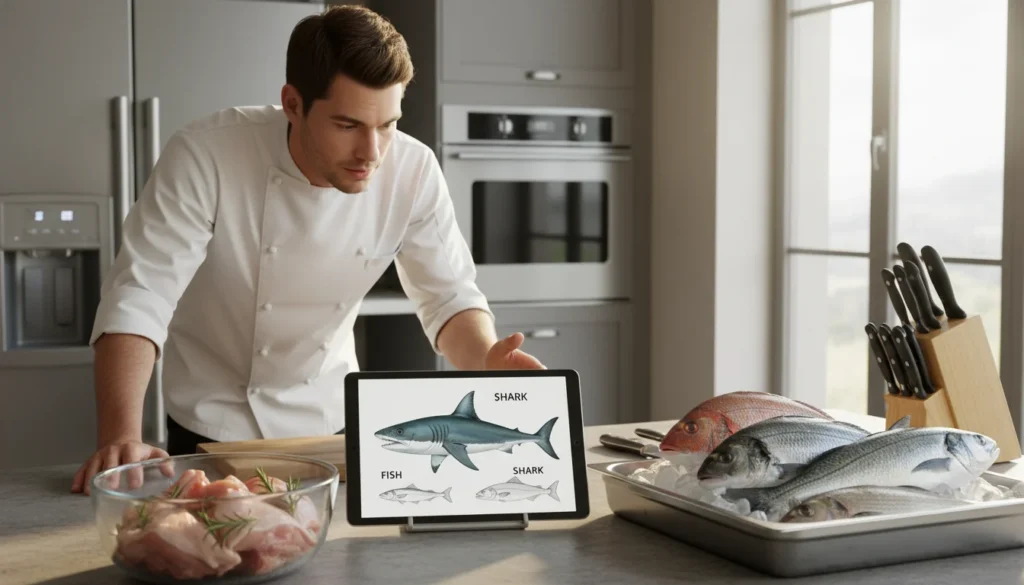
Getting confident with fish cooking lifts your whole meal game. Whether you prefer deep frying, oven baking, or a quick pan sear, a few timing and temperature rules will help you produce flaky, flavorful results every time.
How Long to Deep Fry Fish for Perfect Results
Timing is the difference between soggy and crisp. For typical fillets, plan on about 3 to 5 minutes per side depending on thickness; thicker pieces need more time. Always verify doneness with an instant-read thermometer rather than only relying on time.
Recommended fryer temp for fish
Keep oil between 350°F and 375°F. That range seals the coating quickly so the fish doesn’t soak up excess oil and the crust becomes golden and crisp—important for fried catfish or perch alike.
Signs your fish is properly cooked
Use these checks together for best results:
- The internal temperature reaches 145°F—this is the USDA guideline for fish.
- The flesh turns opaque and flakes easily with a fork.
- The coating is crisp and evenly golden brown.
Safety tip: be careful when working with hot oil—don’t overcrowd the fryer, and keep a lid or splatter screen handy.
How to Cook Fish in the Oven
Baking is low-fuss and reliable, great for thicker fillets or whole fish. It’s also an easy way to prep healthy weeknight meals that pair well with simple sides.
Temperature guidelines and timing
Preheat the oven to 400°F. Use the following as a starting point, then confirm doneness by checking for opacity and flaking (or the 145°F internal temp):
| Fillet Thickness | Baking Time |
| 1 inch | 10-12 minutes |
| 1.5 inches | 12-15 minutes |
| 2 inches | 15-20 minutes |
Seasoning tips for oven-baked fish
Keep seasonings simple so the fish shines:
- Use halal-friendly spice blends such as cumin and smoked paprika; add cracked black pepper to taste.
- Fresh herbs (dill, parsley, thyme) brighten the dish—tuck sprigs under the fillet before baking.
- Citrus—slices or a quick squeeze of lemon—adds an instant lift and pairs especially well with shrimp, perch, or white fish.
Quick pan-sear option: heat a tablespoon of oil over medium-high heat and sear fillets 2–3 minutes per side for a golden crust great when you want a fast dinner without deep frying.
If you’re ordering out, look for menu items that list frying method and ask whether separate fryers are used for seafood and chicken to avoid cross-contact.
Finding Quality Seafood and Chicken
Great meals start with ingredient quality. Knowing where to buy seafood and which chicken to pick saves time and improves flavor—whether you’re prepping a weeknight dinner or planning a larger meal.
Where to Buy Wild Caught Salmon
Wild-caught salmon is prized for flavor and omega-3 content. Common places to buy it include:
- Reputable fish markets: Local fishmongers often have same-day catches and can tell you when fish was landed.
- Warehouse clubs: Stores like Costco sometimes stock wild-caught fillets and frozen options at a good price—check availability by location.
- Online seafood delivery services: Trusted vendors ship flash-frozen or refrigerated fish to your door with origin and handling information.
- Well-stocked grocery chains: Retailers such as Whole Foods and Wegmans typically carry wild-caught salmon and label its source.
Tips for Selecting Fresh Fish
Use these quick checks when shopping so you bring home the best fish:
- Eyes: Clear, bright eyes on whole fish indicate freshness.
- Flesh: Firm flesh that springs back when pressed is a good sign.
- Smell: A mild ocean scent is normal; avoid fish that smells strongly “fishy.”
Understanding Seafood Labels and Certifications
Labels help you choose sustainably and transparently. Look for the Marine Stewardship Council (MSC) label for wild fisheries, or specific origin notes that show where the fish was caught. When in doubt, ask the vendor about catch method and country of origin.
Selecting the Best Chicken for Your Recipes
Picking the right chicken depends on your recipe and priorities (freshness, convenience, or dietary needs).
Fresh vs. Frozen Chicken
Fresh chicken often has a firmer texture, but frozen chicken can be just as good when flash-frozen and properly thawed. For meal prep, frozen packs are convenient; for quick sautés or grilling, a fresh cut may be preferable.
Halal-Friendly Chicken Options
If halal certification matters to you, look for clearly labeled, certified products. Many specialty markets and some mainstream grocery chains carry halal-certified chicken. Always check packaging for certification details and the supplier’s name.
Quick shopping checklist (screenshot-ready)
- Ask: Was this caught/processed today?
- Check label: origin, MSC or other certification.
- Inspect: clear eyes (whole fish), firm flesh, neutral smell.
- For chicken: look for “halal-certified” labeling if required.
- Want delivery? Order from a reputable service and confirm cold-chain handling.
Pro tip: Searching “wild-caught salmon near me” plus your city often surfaces local fish markets and grocers. If you plan to order online, check reviews and whether the vendor lists handling and packing info before you place your order.
Delicious Fish and Chicken Recipes
Cooking at home is more rewarding when you know a couple of reliable recipes for fish and chicken. Below are a classic fried fish method plus practical chicken techniques you can use any night—both halal-friendly and easy to scale.
Classic Fried Fish Recipe
Ingredients needed
- 2 firm white fish fillets (cod, haddock, or perch), about 6–8 oz each
- 1 cup seasoned flour or cornmeal for breading
- 2 large eggs, beaten
- 2 cups neutral oil (canola or vegetable) for shallow/deep frying — enough for a 1–1.5″ depth
- Salt and cracked black pepper to taste
- 1 lemon, cut into wedges for serving
Step-by-step cooking instructions
- Heat oil in a deep skillet or fryer to 350°F–375°F (use a thermometer). For safety, fill the pan no more than half full.
- Set up a breading station: seasoned flour or cornmeal in one shallow bowl, eggs in another.
- Pat the fillets dry, then season with salt and pepper.
- Coat each fillet: flour → egg → flour (press flour into the surface for a crunchy crust).
- Carefully add fillets to hot oil. Fry about 3–5 minutes per side depending on thickness; thicker fillets need the higher end of that range. Do not overcrowd the pan.
- Remove to a rack or paper towels to drain. Confirm the internal temperature is 145°F or that the flesh is opaque and flakes easily.
- Serve hot with lemon wedges and a simple tartar or yogurt-dill dipping sauce. Pair with a crisp side like coleslaw or seasoned rice.
Waste-saving tip: if you’re shallow frying, use just enough oil to come halfway up the fillets; strain and reuse oil once, stored in a sealed jar after cooling.
Simple Chicken Preparation Methods
Chicken works for quick dinners and crowd-pleasing platters. Below are two dependable methods and flavoring ideas for breasts, thighs, wings, gizzards, or tenders.
Baking vs. frying
Baking requires less oil and is ideal for larger cuts—preheat to 400°F and bake until the thickest part reaches 165°F (about 20–30 minutes for bone-in pieces). Frying gives crispy results for wings and tenders; maintain oil at 350°F–375°F and cook until golden and fully cooked.
For wings and gizzards, frying gives the best texture; for breasts and thighs, roasting or baking keeps them juicy with less fuss.
Flavoring techniques
Here are easy, copyable flavor builds—adjust amounts for a pound of chicken:
- Dry rub: 1 tsp smoked paprika, 1 tsp ground cumin, 1 tsp garlic powder, ½ tsp salt, ½ tsp cracked black pepper—rub under the skin and on the surface before cooking.
- Yogurt marinade: 1 cup plain yogurt, juice of 1 lemon, 1 tsp salt, 1 tsp ground cumin—marinate 1–4 hours to tenderize and add flavor.
- Herb paste: ¼ cup parsley, 2 tbsp cilantro, 1 garlic clove, 2 tbsp olive oil—blend into a paste and brush on before baking or after frying.
Serving suggestion: offer wings with a tangy onion-based sauce or a shrimp-studded salad on the side for variety. When ordering out, check the menu for halal-marked chicken if that’s important for your meal planning.
Exploring Restaurant Options for Fish and Chicken
Picking the right restaurant can make a simple meal memorable. Use a few practical checks to find spots that serve well-prepared fish and chicken and match your dietary needs.
Finding Restaurants Near Me with Fish and Chips
Fish and chips is a go-to comfort dish. When you search local options, look for these indicators of quality:
- Freshness (or proper handling): Fresh is great, but many high-quality kitchens use flash-frozen fish for consistency ask about sourcing when you call.
- Hand-cut chips or fries: Homemade fries often signal attention to detail.
- Proper frying oil: Clean oil changed regularly keeps flavor bright and avoids off-tastes.
- Cleanliness: A tidy dining and prep area usually means better food safety and care.
What to Look for in a Quality Fish and Chips Restaurant
Read recent reviews and look for mentions of consistent batter, crispy texture, and how the restaurant describes its fish (fresh vs. flash-frozen). Check the menu for item details and special preparation notes.
Questions to Ask About Preparation Methods
When you call or speak to staff, try a short script to get clarity before you order:
- “Is your fish fresh or flash-frozen?”
- “Do you use a separate fryer for seafood and chicken?”
- “What’s in your batter — any alcohol or non-halal ingredients?”
Evaluating Fast Food and Casual Dining
Fast-casual spots and chains can be convenient, but menu transparency matters. Look for clear ingredient lists and allergen info so you can choose items that fit your preferences.
Menu Transparency
Prefer restaurants that list cooking methods and ingredients on the menu or website; this helps you confirm halal options or avoid allergens like onion or alcohol-based sauces.
Halal Options Awareness
If halal chicken is important for your meal, check the menu and ask staff directly. Some places — including local spots and chains like Sharks Fish and Chicken mark halal items, but practices can vary by location. Before you order, call the store or check online to confirm.
Quick tip: before you place an order, check the menu online and call if you need confirmation about separate fryers or specific preparation of menu items. That ensures your meal meets both taste and dietary expectations.
Sharks Fish and Chicken Locations and Menus
Checking the menu at Sharks Fish and Chicken can help you decide whether to dine in or order takeout. Many locations serve familiar fast-casual items—fried fish, crispy chicken wings, tenders, shrimp, and combo platters with fries and side options—though exact offerings can vary by spot.
Understanding Restaurant Chains and Local Spots
Chain restaurants keep a core menu, but local outlets often add regional items or daily specials. That means the same brand may feel different depending on the kitchen, staff, and sourcing at each location.
What to expect from sharks fish and chicken menu
Expect classic fried and grilled chicken dishes alongside seafood choices. Popular picks include combo plates (mix-and-match fish, shrimp, and chicken), wing buckets, and kid-friendly tenders. If you’re ordering for a group, combos let you try multiple things without committing to one entrée.
Comparing options across different establishments
When deciding which location to visit or order from, consider these points:
- Quality of ingredients listed on the menu (fresh vs. frozen, source notes)
- Preparation methods (battered, grilled, or fried)
- Service speed and customer reviews for the specific store
Trying more than one location is the easiest way to find your favorite local outpost.
Navigating Menu Labels and Descriptions
Menu language matters—look for clear labels for allergens, halal certification, and preparation notes. If a menu item doesn’t specify, call the store and ask so you can make an informed choice.
Identifying halal-friendly choices
Some locations mark halal items directly on the menu. If you need halal chicken, confirm certification and whether halal items share fryers or prep areas with non-halal foods to avoid cross-contact.
Asking the right questions
When you contact a location, these simple questions will help:
- “Do you have halal-certified chicken at this location?”
- “Are wings and seafood fried in separate fryers?”
- “Do you list allergens (eggs, dairy, onion) on the menu?”
Before you go, use the restaurant’s store locator or popular mapping apps to find hours and confirm the current menu. If you plan to order online, check for an option to view the full menu and item descriptions so you aren’t surprised when your food arrives.
Pairing Fish and Chicken with Complementary Foods
Choosing the right accompaniments can elevate a simple fish or chicken plate into a balanced, memorable meal. Below are approachable cheese choices and side pairings that work well whether you’re plating at home or picking items from a takeout menu.
Best Cheese for Steak and Cheese Dishes
Certain cheeses pair especially well with hearty proteins and can also add interest to seafood dishes when used sparingly.
Cheese Varieties That Work with Seafood
- Mild Cheddar: Melts smoothly and adds a creamy counterpoint to spiced chicken or a fish sandwich.
- Mozzarella: Its mild, stretchy texture works well in warm preparations—try a light mozzarella topping on grilled fish for a mild, comforting finish.
- Swiss: Nutty and mild, Swiss complements roasted chicken or a delicate white fish without overpowering flavors.
Halal Cheese Alternatives
If you need halal cheese, look for products made with microbial or vegetable rennet and clear halal certification on the label. Brand availability varies by region, so check packaging before you buy.
Side Dishes That Enhance Your Meal
Smart side choices bring contrast in texture, color, and flavor. Here are practical pairings for common mains.
Vegetable Pairings
- Roasted Asparagus: Bright and slightly bitter—great with baked fish or grilled chicken.
- Sautéed Green Beans: A crisp, simple side that pairs well with richer wings or a philly steak-style chicken sandwich.
- Coleslaw: Cool and crunchy, coleslaw is a classic companion to fried fish and balances greasy textures.
Starch Options
- Seasoned Rice: Absorbs sauces and works well with shrimp or spicy chicken wings.
- Mashed Potatoes: Creamy and comforting ideal with roasted or grilled chicken.
- Cornbread: Slightly sweet and crumbly, it pairs nicely with fried fish or a hearty chicken meal.
| Protein | Top Cheese Match | Best Vegetable | Starch |
| Fried fish | Light mozzarella (optional) | Coleslaw | Seasoned rice or cornbread |
| Grilled chicken / wings | Mild cheddar or Swiss | Roasted asparagus | Mashed potatoes or seasoned rice |
| Shrimp | Minimal cheese — focus on citrus | Sautéed green beans | Seasoned rice |
For takeaway or group orders, choose sides that travel well (seasoned rice, coleslaw in a sealed container) and avoid delicate garnishes that wilt. A simple finishing squeeze of lemon and a small container of sliced onion-based relish can brighten many dishes and turn a basic plate into a complete, satisfying meal.
Understanding Food Safety and Quality
Handling fish and chicken correctly keeps meals safe and tasting their best. Follow a few reliable storage and hygiene habits so you avoid spoilage and foodborne illness.
Proper Storage of Fish and Chicken
Store proteins at the right temperature and use them within recommended windows to maintain quality and safety.
Refrigeration guidelines
Keep fresh fish chilled on ice or in the coldest part of the fridge at about 32°F to 38°F; use within 1–2 days. Store raw chicken at 40°F or below and plan to cook or freeze it within 1–2 days. Always rely on a fridge thermometer rather than the appliance settings alone.
Freezing and thawing best practices
Freeze proteins in airtight packaging to prevent freezer burn. Lean fish and shellfish generally keep best for up to six months; chicken pieces can be kept up to a year (whole birds and storage conditions vary). Thaw safely in the refrigerator, under cold running water, or in the microwave — never at room temperature. Label packages with the date so you know how long they’ve been stored.
Cross-Contamination Prevention
Preventing cross-contamination is one of the simplest ways to reduce risk in the kitchen.
Kitchen hygiene tips
- Wash your hands thoroughly with soap and water before and after handling raw proteins.
- Sanitize cutting boards and countertops after use — use hot, soapy water and a sanitizer when possible.
- Use separate utensils and plates for raw and cooked foods to avoid transfer.
Separate preparation areas
If you prepare both halal and non-halal items, designate separate prep tools and areas to prevent cross-contact. This is also useful when handling proteins like catfish or chicken gizzards that may require different cleaning or cooking approaches. When you order prepared foods, ask about handling practices if separation is important for your household.
Creative Cooking: Making the Goodest Food in the World
A few focused techniques can turn ordinary fish or chicken into something special. Below are short, practical ideas you can test tonight to boost flavor, improve presentation, and explore new cuisines.
Elevating Simple Recipes
Small additions deliver big flavor: compound butters add richness, and a drizzle of infused oil brightens finished plates. For an easy compound butter, mix 2 tablespoons softened butter with 1 teaspoon chopped fresh herbs and a pinch of cracked black pepper; melt a pat over hot grilled fish or roasted chicken just before serving.
Flavor enhancement techniques
- Use a compound butter to finish grilled fillets or a pan-seared wing for immediate richness.
- Drizzle garlic- or chili-infused oil over shrimp or roasted vegetables for layered flavor.
- Add umami boosts (mushrooms, a splash of halal soy sauce) to deepen sauces without masking the main protein.
Presentation tips
Keep plating simple: a squeeze of lemon, a small herb sprig, and a neat pile of a contrasting side can make dishes look restaurant-ready with minimal effort.
Experimenting with Different Cuisines
Mix techniques—Mediterranean grilling, quick Asian stir-frying, or spicy Cajun rubs—to create new favorites. Try one new flavor profile per week to expand your repertoire without overwhelm.
Fun Facts: Sharks in Popular Culture
Sharks appear often in films and animation—from the tense drama of Jaws to the comedic moments in Shark Tale. Pop culture has shaped public views of these animals; pairing a light cultural note with a seafood meal can be a fun conversation starter at the table.
Conclusion
You now have practical tools to cook and choose fish and chicken with confidence: frying and baking guidelines, sourcing tips for quality seafood and halal chicken, and safety habits to keep meals healthy. Try one new recipe this week—pick a simple fried fish or a baked chicken breast—and use the temperature and handling tips from this guide.
When dining out or placing an order, check the local menu and ask about preparation to confirm halal options, separate fryers, and allergens. That small step helps ensure your meal meets both taste and dietary needs.
Want an easy next step? Download or screenshot a shopping checklist (protein, basic spices, a citrus like lemon, and one reliable side) and plan one dinner around it this week.
You may also enjoy these recipes:
- How to Make the Miami Vice Cocktail Drink Recipe Easily
- How to Cook Beef Cheek Meat
- Best Gluten Free Fast Food Choices
FAQ
What is the best way to deep fry fish?
Heat oil to 350–375°F and fry fillets about 3–5 minutes per side depending on thickness; the internal temperature should reach 145°F. Use a thermometer and avoid overcrowding the pan.
How long should I cook fish in the oven?
Preheat to 400°F and bake roughly 10 minutes per inch of thickness; confirm doneness by opacity and flaking, or an internal temp of 145°F.
Where can I buy wild caught salmon?
Look at local fish markets, warehouse clubs, reputable online seafood services, and well-stocked grocery chains—check labels for origin and handling before you order.
What are some halal-friendly chicken options?
Seek clearly labeled, halal-certified chicken at specialty markets or some grocery stores; when ordering, ask the restaurant to confirm certification and handling practices.
What are some simple recipes for fried fish?
Use firm white fish, seasoned flour or cornmeal, eggs, and neutral oil. Fry at 350–375°F until golden and the flesh reaches 145°F—serve with lemon and a crisp side like coleslaw.
How can I find restaurants near me with fish and chips?
Search online for local reviews and menus, check whether places describe sourcing (fresh vs. flash-frozen), and call to ask about fryers and preparation before you order.
What should I know about the Sharks Fish and Chicken menu?
Typical offerings include fried fish, chicken wings, tenders, shrimp, combo platters, and sides—menus and halal availability can vary by location, so confirm with the local store when you order.
How should I store fish and chicken to ensure freshness?
Keep fish at about 32–38°F and use within 1–2 days; store raw chicken at 40°F or below and use or freeze within 1–2 days. Label and date packages before freezing.
Any tips for preventing cross-contamination?
Wash hands, sanitize boards and surfaces, and use separate utensils for raw and cooked foods. If handling halal and non-halal items, designate separate prep areas and containers for clarity.
Where can I find catfish or chicken gizzards?
Catfish is commonly available at regional fish markets and some grocery chains; gizzards are sold in many supermarkets’ fresh poultry sections or butcher counters—ask the store to reserve these items when you place an order for pickup.