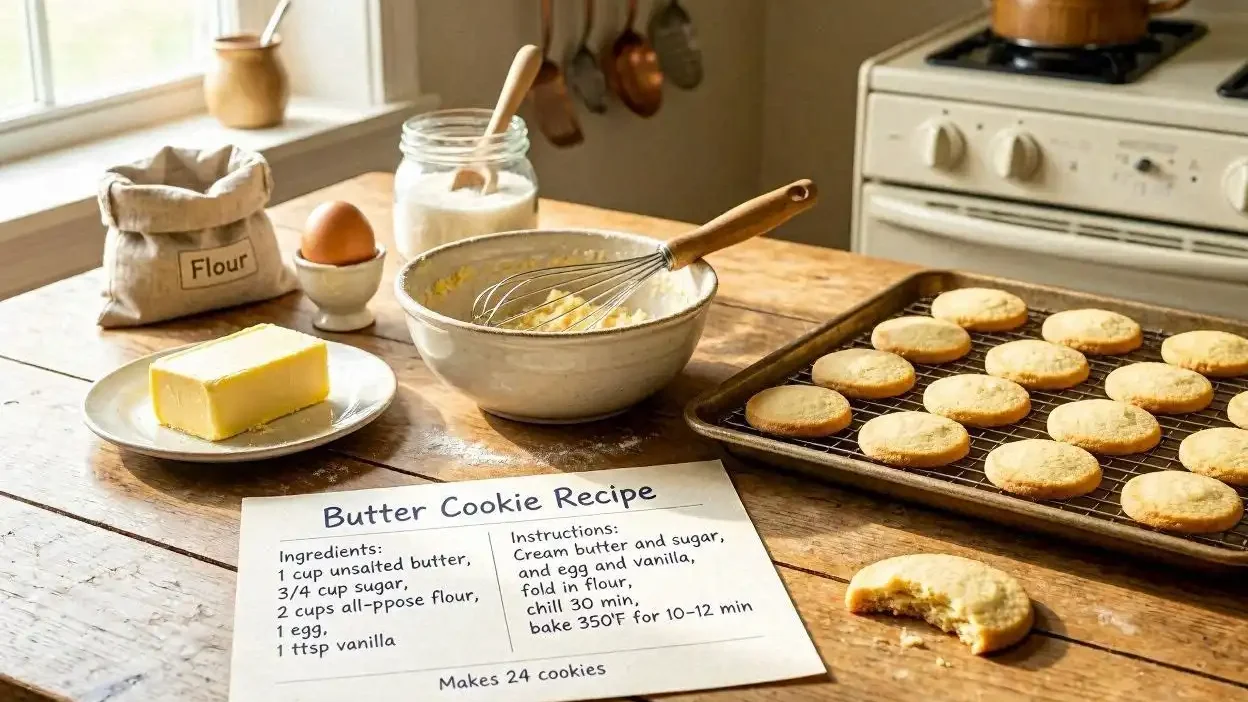
There’s nothing like the smell of freshly baked cookies filling your kitchen warm, familiar, and instantly comforting. If you miss those rich, buttery flavors from holiday tins and want a simple, reliable butter cookie recipe to recreate them at home, you’re in the right place.
This recipe focuses on buttery flavor, tender texture, and straightforward technique so you can bake cookies that taste better than store-bought. If you’re also a fan of homemade cookies, don’t miss our Nestle Chocolate Chip Cookie Recipe for another family favorite.With a few clear tips about butter, room temperature handling, and a touch of vanilla, you’ll get consistently delicious results every time.
Keep reading for a fail-safe butter cookie recipe, exact ingredient notes, and quick troubleshooting tips so you can bake classic butter cookies that everyone will love.
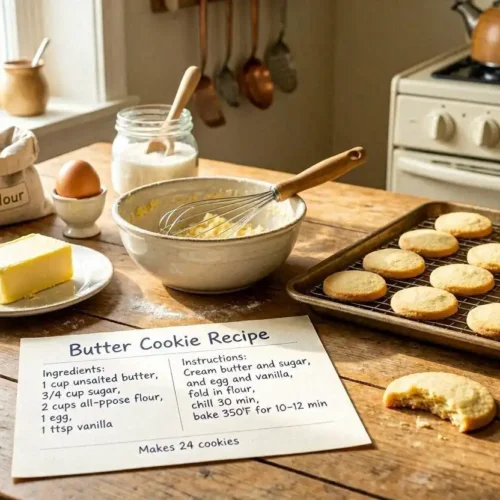
Butter Cookie Recipe Everyone Loves for Its Rich Buttery Flavo
Equipment
- Mixing bowl, hand mixer or stand mixer, measuring cups or kitchen scale, baking sheet, parchment paper, rolling pin, cookie cutters, offset spatula, cooling rack.
Ingredients
- 1 cup 227 g unsalted butter, softened
- ½ cup 100 g granulated sugar
- 2 cups 240 g all-purpose flour
- ½ teaspoon vanilla extract optional
- ¼ teaspoon fine salt optional, if using unsalted butter
- Flaky sea salt optional, for topping
- Mini chocolate chips optional
Instructions
- Preheat the oven to 350°F (175°C) and line a baking sheet with parchment paper.
- Beat the softened butter until smooth.
- Add the sugar and cream until light and fluffy.
- Mix in the vanilla extract, if using.
- Gradually add the flour and mix until a soft dough forms.
- Roll the dough to about ¼ inch (6 mm) thickness.
- Cut into desired shapes using cookie cutters.
- Transfer the cookies to the prepared baking sheet.
- Chill the shaped cookies for 20–30 minutes.
- Bake for 10–12 minutes, or until the edges are lightly golden.
- Cool on the baking sheet for a few minutes before transferring to a wire rack.
Notes
- Use room-temperature butter for the best texture.Use high-quality unsalted butter for the richest flavor. Measure flour with a kitchen scale whenever possible. Chill the dough before baking to help the cookies keep their shape. Do not overbake; remove the cookies when the edges are just turning golden.
- Avoid overmixing the dough.
- Chill the dough if it becomes too soft.
- Rotate the baking sheet halfway through baking for even browning.
- Sprinkle with flaky sea salt before baking for extra flavor.
- Store in an airtight container for up to one week.
Nutrition (Approximate)
- Calories: 135 kcal
- Carbohydrates: 12 g
- Protein: 1 g
- Fat: 9 g
- Saturated Fat: 5.5 g
- Cholesterol: 24 mg
- Sodium: 20 mg
- Potassium: 15 mg
- Fiber: 0.3 g
- Sugar: 4 g
- Vitamin A: 280 IU
- Calcium: 5 mg
- Iron: 0.4 mg
1. Understanding the Basics of a Perfect Butter Cookie Recipe
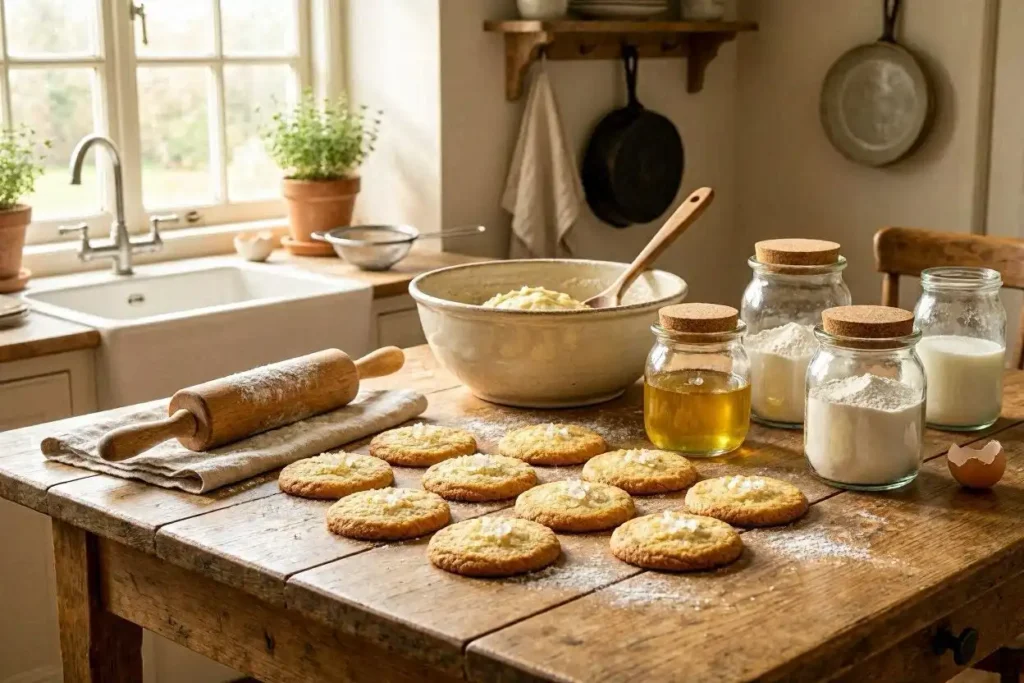
To bake reliably great butter cookies, it helps to understand the role each ingredient and tool plays. These cookies are prized for their rich butter flavor, crisp edges, and tender centers — qualities that come from a high butter-to-flour ratio and careful handling of the dough.
What Makes Butter Cookies Different from Other Cookies
Unlike many drop cookies, butter cookies rely on a higher proportion of fat. Butter coats flour particles and reduces the amount of water available to form gluten, so the dough develops less gluten and stays tender rather than chewy. In short: more butter gives pronounced flavor, flakier crumb, and a crisper edge when baked properly.
The role of high butter content in cookie texture
Butter contributes both flavor and structure. When creamed with sugar, it traps air that helps leaven slightly and create a light texture; when baked, the butter melts and produces a crisp exterior while keeping the interior soft. For best results, use real butter (unsalted preferred) and handle the dough gently to keep that delicate balance of crisp and tender.
Why butter cookies are considered a classic treat
Butter cookies are simple, versatile, and timeless: the basic mixture adapts to shapes, presses, and mix-ins, and the buttery flavor makes them ideal for gifting and holiday tins. Their simplicity is what lets quality ingredients — butter, vanilla, and fine sugar — shine. These cookies also make a wonderful edible gift alongside our Teachers Day Cake ideas.
Essential Tools for Baking Butter Cookies
Having the right tools makes a measurable difference in consistency. Below are the essentials and practical examples to aim for.
Mixing bowls and measuring cups
Use a medium mixing bowl and a kitchen scale for best accuracy — weight measurements (grams) reduce variation when measuring flour. If you use cups, spoon flour into the cup and level it off. A stand mixer or hand mixer on low speed helps cream butter and sugar without overworking the dough.
Baking sheets and parchment paper
Choose heavy-gauge aluminum baking sheets (for example, 12 x 17-inch half-sheet pans) for more even heat distribution; thinner pans can cause uneven browning. Line sheets with parchment paper to prevent sticking and to make transfer and cleanup straightforward.
Cookie cutters and cooling racks
Butter cookies are often shaped, not dropped: use cookie cutters, a rolling pin, and an offset spatula for transferring shapes. Cool cookies on wire cooling racks to stop residual heat from overbaking and to preserve crisp edges.
2. How to Make a 3 Ingredient Butter Cookie
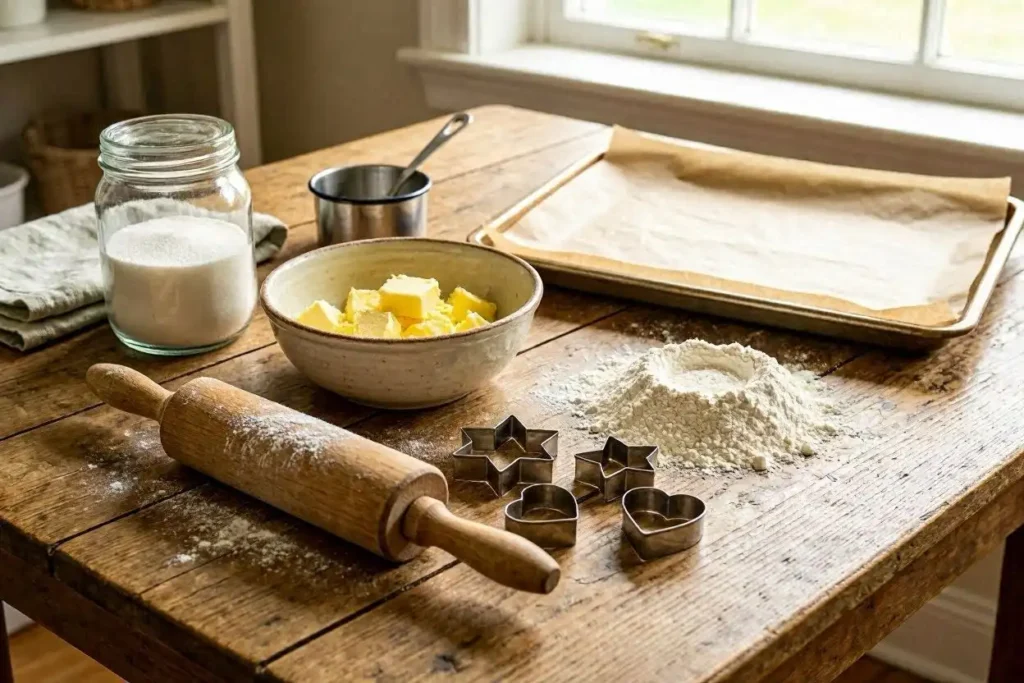
Yes — you can make classic butter cookies with just three core ingredients: butter, sugar, and all-purpose flour. Below is a precise, tested single-batch recipe with clear steps, equipment notes, and timing so your cookie dough performs every time.
Simple 3-Ingredient Butter Cookie — Ingredients (single batch)
Recommended measurements (use a kitchen scale for best consistency):
– Unsalted butter, softened to room temperature — 1 cup (227 g)
– Granulated sugar — 1/2 cup (100 g)
– All-purpose flour — 2 cups (240 g)
Optional: 1/2 teaspoon vanilla extract for added depth (counts as an extra pantry ingredient).
Equipment and prep
Preheat oven to 350°F (175°C) and line a baking sheet with parchment paper. Use a stand mixer or hand mixer on low speed for creaming; a kitchen scale is preferred for measuring flour. Chill dough if the kitchen is warm.
Step-by-step mixing and shaping
1. Soften butter to room temperature (about 65–70°F / 18–21°C). It should give slightly when pressed but not be greasy or melted — you should be able to make a clear indentation with your thumb.
2. In a medium bowl, beat the softened butter on low speed for 30–45 seconds until smooth. Add the granulated sugar and continue to mix on low speed for 1 minute, then increase to medium-low and beat for another 30–45 seconds until the mixture is light and slightly fluffy (this traps just enough air for a delicate bite). If using vanilla extract, add it with the sugar.
3. Reduce mixer to low and gradually add the all-purpose flour, mixing just until incorporated. Avoid overworking the dough — stop as soon as no dry flour streaks remain. The result should be a soft, slightly tacky cookie dough.
4. For shaped cookies: turn dough onto a lightly floured surface, roll to about 1/4-inch (6 mm) thickness, cut with cookie cutters, and transfer shapes to the parchment-lined baking sheet using an offset spatula. For slice-and-bake: shape dough into a log, wrap in plastic wrap, and chill until firm (30–60 minutes) then slice into 1/4-inch rounds.
5. Chill dough or shaped cookies for best shape retention if your kitchen is warm — 20–30 minutes for cut shapes, 30–60 minutes for slice-and-bake logs.
Baking
Place cookies on the middle rack of the preheated oven. Bake 10–12 minutes for 1/4-inch shapes, or 12–14 minutes for thicker slices, until edges are just turning golden brown. Rotate the pan halfway if your oven has hot spots. Remove to a cooling rack; cookies will firm as they cool.
Quick tips and troubleshooting
– If dough is too soft to shape: wrap and chill 15–30 minutes, or refrigerate until firm.
– If cookies spread too much: chill the cookie sheet between batches and ensure butter was not too soft/melted before creaming.
– Short on time: roll dough into a log, freeze for 15–20 minutes, then slice and bake 12–14 minutes.
– For extra flavor: fold in 1/4 cup mini chocolate chips or a pinch of flaky sea salt on top before baking.
Notes on variations
Swapping part of the granulated sugar for confectioners’ sugar yields a more tender cookie; adding vanilla extract enhances flavor without changing texture. For keto or low-carb versions, substitute almond flour and an appropriate sugar substitute, but expect a different texture and modified bake time.
3. What Are the Ingredients for Butter Cookies
To bake reliably delicious butter cookies, it helps to know exactly what each ingredient does and how to measure it. The classic butter cookie recipe relies on a short list of core components — butter, flour, and sugar — plus optional additions for flavor and texture. Below are clear ingredient notes, a sample single-batch ingredient list (weights and cups), and sensible substitutions.
Core Ingredients for a Traditional Butter Cookie Recipe
Butter: salted vs. unsalted for cookies
Butter is the star: it provides flavor, tenderness, and structure. Unsalted butter is recommended so you can control salt levels; if you must use salted butter, reduce added salt by about 1/4 teaspoon per 1/2 cup (113 g) of butter. Use real, high-quality butter (unsalted) for the best butter flavor and texture. Keep butter at room temperature (about 65–70°F / 18–21°C) when creaming so it’s soft enough to trap a little air but not melted.
All-purpose flour and its importance
All-purpose flour gives the right balance of structure and tenderness for most butter cookie recipes. For consistent results, measure flour by weight: spoon flour into a cup and level it if using volume, but ideally use a kitchen scale. Using pastry flour will make cookies more tender; using extra-strong flour can make them tougher.
Sugar options and their effects on texture
Granulated sugar keeps edges crisper and produces a pleasing snap; confectioners’ (powdered) sugar yields a softer, more tender crumb. A common approach is to use granulated sugar for a classic crisp exterior; you can replace up to 25% of granulated sugar with confectioners’ sugar for a slightly more tender result without changing sweetness much.
Sample Single-Batch Ingredient List (tested baseline)
Use a kitchen scale for consistency. This yields about 24 small cookies depending on cutter size.
– Unsalted butter, softened to room temperature — 1 cup (227 g)
– Granulated sugar — 1/2 cup (100 g)
– All-purpose flour — 2 cups (240 g)
– Optional: 1/2 teaspoon vanilla extract (adds flavor without changing texture)
– Optional pinch of fine salt if using unsalted butter (about 1/4 teaspoon)
Optional Additions and Enhancements
Small additions can personalize your butter cookies without complicating the base recipe.
Vanilla extract for flavor depth
Adding 1/2 teaspoon high-quality vanilla extract brightens the butter flavor and adds aromatic depth. Use alcohol-free vanilla extract if you prefer.
Edible sparkle and visual finishes
For holiday or party cookies, edible glitter or sanding sugar adds visual appeal — sprinkle immediately before baking so it adheres.
Mix-ins like chocolate bits or fruit
Fold in up to 1/3 cup mini chocolate chips for chocolate bursts, or stir in 1/4 cup crushed freeze-dried strawberries for a bright fruity note. Note that mix-ins change texture slightly and can affect spread, so chill dough a bit longer if adding them.
If you need an eggless cookies recipe, use a small amount of applesauce or a flax egg as a binder, but expect a texture change — cookies will be slightly softer.
Substitutions and special diets
– For keto or low-carb butter cookies: swap to almond flour and use a granular sugar substitute formulated for baking; reduce total fat slightly and expect a different texture and shorter bake time.
– For a more tender (shortbread-like) result: replace 25–30% of all-purpose flour with confectioners’ sugar and reduce mixing time.
Notes: preserve the butter-forward flavor by prioritizing high-quality butter and using weight measurements for flour when possible. Keep ingredient temperatures consistent (butter at room temperature, dry ingredients at pantry temp) to ensure predictable dough and baking behavior.
4. Common Butter Cookie Mistakes and How to Avoid Them
Great butter cookies come down to a few predictable pitfalls — temperature, handling, and baking timing. Catch these common errors early and you’ll reliably get crisp edges, tender centers, and cookies that hold their shape.
Temperature-Related Errors
Why using cold butter can ruin your cookies
Cold butter won’t cream properly with sugar and won’t trap air, which can make cookie dough dense and produce heavy, compact cookies. Let butter reach room temperature (about 65–70°F / 18–21°C) so it’s soft enough to press an indentation with your thumb but not greasy or melted.
The problem with melted butter in baking without proper technique
Melted butter changes the fat distribution in the mixture and can lead to greasy, flat cookies unless you adjust the method. If you use melted butter, mix less, chill the dough thoroughly (wrap and chill until firm), and expect a different texture. For classic shaped butter cookies, avoid melted butter; for quick “melted-butter” recipes, follow specific instructions and chill dough well.
Mixing and Handling Mistakes
Overmixing and its impact on texture
Overworking the dough develops gluten and can make cookies tough. Mix just until the flour is incorporated — use your mixer on low speed and stop when no dry streaks remain. Aim for a light, slightly fluffy butter-sugar mixture before adding flour.
Incorrect dough chilling times
Chilling is important, but timing matters. If dough is under-chilled, cookies will spread; if over-chilled, it can be hard to shape. Typical guidance: chill shaped cookies 20–30 minutes; chill slice-and-bake logs 30–60 minutes. If your kitchen is warm, err on the longer side and wrap the dough in plastic wrap before refrigerating.
Baking Errors to Watch For
Oven temperature calibration issues
Many baking problems come from an inaccurate oven. Use an oven thermometer and preheat oven fully (preheat oven to the temperature your recipe specifies) before baking. If your oven runs hot, reduce the listed temperature by 10–20°F and monitor closely.
Overbaking vs. underbaking indicators
Perfect butter cookies will have barely golden edges and a pale center. If cookies are uniformly golden and dry, they’re overbaked; if pale and too soft, they need more time. Remove cookies when edges are set and centers still look slightly soft — they’ll firm while cooling and reach that ideal golden brown.
Quick troubleshooting checklist
– Cookies spread too much: chill dough 30–60 minutes, use a chilled baking sheet, and ensure butter wasn’t overly soft or melted.
– Dough too sticky to handle: wrap and chill 20–40 minutes; dust lightly with flour when rolling.
– Cookies burn on the bottom: switch to a heavy-gauge half-sheet pan, use parchment paper, and check oven calibration.
– Texture too dense: avoid cold butter and don’t overmix; cream butter and sugar until light and slightly fluffy on low speed.
Special diets and low-carb versions: when trying low carb or keto butter cookie recipes, expect different handling — almond flour and sugar substitutes behave differently and often need shorter bake times and extra chilling. Test a small batch first to dial in time and temperature.
5. What Is the Difference Between a Shortbread Cookie and a Butter Cookie
Understanding how shortbread and butter cookies differ will help you pick the right cookie for texture, shaping, and flavor. Both celebrate butter, but they behave and taste differently in the oven and on the plate. Butter cookies tend to be slightly sweeter and crisper, making them ideal for shaping with cookie presses or cutters; shortbread is more tender, crumbly, and buttery.
Shortbread traditionally follows a 1:2:3 ratio of sugar : butter : flour by weight (for example, 50 g sugar : 100 g butter : 150 g flour). That higher butter-to-flour proportion and lower mixing keeps gluten development to a minimum, yielding a delicate, melt-in-your-mouth texture. By contrast, many butter cookie recipes use a higher sugar proportion and handling that encourages a crisper edge and more pronounced golden brown finish.
Both shortbread and butter cookies are typically shaped or cut rather than dropped from a spoon; they hold their shape better when chilled before baking. A related product, Biscoff cookie butter (a speculoos spread), is a different category — it’s a spread made from crushed spiced cookies and not the same as a classic butter cookie or shortbread, despite the name.
Quick comparison
- Texture: Shortbread — tender, crumbly; Butter cookie — crisp edges, tender center.
- Sweetness & flavor: Shortbread — buttery, less sweet; Butter cookie — sweeter, buttery with added vanilla possible.
- Shaping: Shortbread — shaped or pressed; Butter cookie — shaped, cut, or piped with presses.
- Browning: Shortbread — pale and delicate; Butter cookie — often golden brown at the edges for contrast.
Knowing these differences helps you choose the best butter cookie recipe or shortbread for gifts, holiday tins, or tea-time treats. If you want, I can add a short tested shortbread recipe (weights and bake time) to compare side-by-side with the butter cookie recipe.
You May Also Love
- One Bowl Strawberry Cupcake Recipe – Ready in Under 40 Minutes
- How to Make a Perfect Cow Cake for Any Occasion
FAQ
What is the best butter to use for butter cookies, salted or unsalted?
Unsalted butter is recommended so you can control the salt level in your cookie recipe; add about 1/4 teaspoon salt per 1/2 cup (113 g) butter if you want a slight boost. High-quality salted butter can be used for extra flavor if you reduce added salt.
Can I use melted butter in my butter cookie recipe?
You can, but melted butter produces a different texture (often flatter and denser). If using melted butter, mix gently, chill the dough thoroughly (wrap and chill until firm), and expect a slightly different cookie than one made with creamed, room-temperature butter.
How do I prevent my butter cookies from spreading too much while baking?
Chill dough or shaped cookies before baking (20–60 minutes depending on method), use a heavy-gauge baking sheet, line it with parchment paper, and avoid using overly soft or melted butter. If cookies spread, try chilling the baking sheet between batches.
What are some common mistakes to avoid when making butter cookies?
Avoid cold butter (won’t cream or trap air), overmixing (develops gluten and makes cookies tough), and inaccurate oven temperatures (use an oven thermometer). Chill dough appropriately and watch bake time—remove when edges are just set and centers still look slightly soft.
Can I make a cookies recipe without eggs?
Yes. Use applesauce (about 2 tablespoons) or a flaxseed “egg” as binders for egg-free cookies, but expect a softer texture compared with traditional butter cookie dough.
How can I customize my butter cookies for different flavors?
Fold in mini chocolate chips, crushed freeze-dried strawberries, or a teaspoon of vanilla extract for flavor depth. For a festive look, sprinkle sanding sugar or edible glitter right before baking.
What is the difference between butter cookies and shortbread cookies?
Butter cookies are generally sweeter and crisper with more pronounced golden edges; shortbread is made with a higher butter ratio (commonly cited as 1:2:3 sugar:butter:flour by weight), yielding a tender, crumbly texture and a paler finish.
Are there keto-friendly options for butter cookies?
Yes — keto butter cookie recipes usually use almond flour and sugar substitutes. They bake differently and often require extra chilling and slightly shorter bake times; test a small batch to dial in time and texture.
What tools do I need for making butter cookies?
Essential tools: a kitchen scale for accurate measurements, a mixer (stand or hand) on low speed, heavy-gauge half-sheet baking pans lined with parchment paper, cookie cutters or a rolling pin for shaping, and wire cooling racks. Plastic wrap is handy to wrap and chill dough.Try the recipe above and share your results — tag a photo or leave a note about what worked for you. If you want, I can add printable quick-tips or a one-page troubleshooting checklist for easy reference.