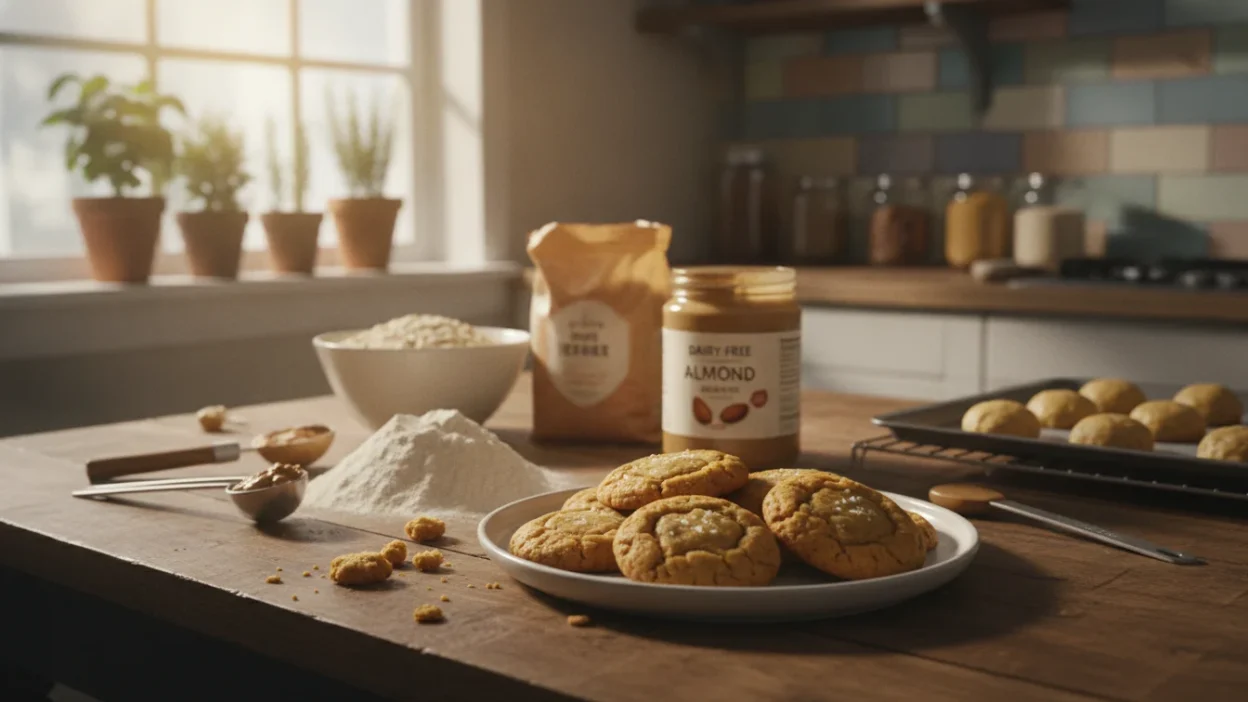
Welcome this is your practical, easy-to-follow guide for baking delicious dairy free cookies that don’t sacrifice flavor or texture. Whether you need a quick cookie recipe for weeknight baking or a scaled-up batch for a party, these recipes deliver crispy edges and chewy centers without using milk or butter.
Inside you’ll find reliable recipes from classic dairy free chocolate chip cookies to seasonal variations, plus clear tips on ingredient swaps, timing, and texture. Some recipes use eggs (dairy-free, but not vegan); where a recipe is vegan we call that out so you can choose what fits your diet.
All recipes on this page avoid pork and alcohol-based ingredients. Each recipe includes step-by-step instructions and ingredient checklists with automatic scaling so you can make a single dozen or a party-sized tray with confidence.
Ready to bake? Start with our top-rated dairy free chocolate chip cookie recipe below or scroll the guide to find oil-based brownie cookies, vegan options, and storage tips for keeping cookies fresh.
Dairy Free Cookies
Equipment
- Mixing bowls, whisk, electric mixer, measuring cups, measuring spoons, cookie scoop, baking sheet, parchment paper, wire cooling rack
Ingredients
- 2 1/4 cups all-purpose flour
- 1 teaspoon baking soda
- 1/2 teaspoon fine sea salt
- 1 cup dairy-free plant butter
- 3/4 cup light brown sugar
- 1/2 cup granulated sugar
- 1 large egg
- 2 teaspoons vanilla extract
- 1 1/2 cups dairy-free chocolate chips
- Flaky sea salt optional
Instructions
- Preheat oven to 350°F (175°C) and line baking sheets with parchment paper.
- Whisk together flour, baking soda, and salt.
- Cream dairy-free butter with brown sugar and granulated sugar.
- Add egg and vanilla extract; mix until combined.
- Gradually add dry ingredients and mix until a dough forms.
- Fold in dairy-free chocolate chips.
- Chill dough for 1 hour for thicker cookies (optional but recommended).
- Scoop dough onto prepared baking sheets, spacing 2 inches apart.
- Sprinkle with flaky sea salt if desired.
- Bake for 10–11 minutes until edges are lightly golden.
- Cool on baking sheet for 5 minutes, then transfer to a wire rack.
Notes
- Chill dough for thicker cookies.
- Use block-style plant butter for best texture.
- Bake from frozen by adding 1–2 extra minutes.
- Avoid overmixing once flour is added.
- Store in an airtight container for 3–5 days.
- Freeze baked cookies for up to 2 months.
- Freeze cookie dough for up to 3 months.
- Calories: 135 kcal
- Carbohydrates: 18 g
- Protein: 2 g
- Fat: 6 g
- Saturated Fat: 2 g
- Fiber: 1 g
- Sugar: 10 g
- Sodium: 95 mg
Understanding Dairy Free Cookies: What You Need to Know
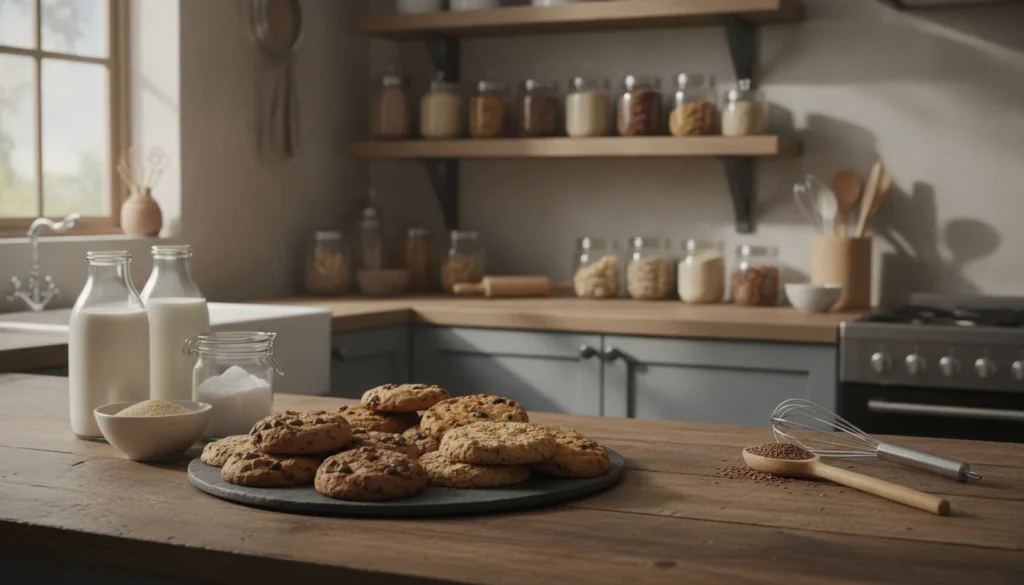
Baking without dairy is straightforward once you know which ingredients to swap and why. Dairy free cookies can match the flavor and texture of traditional recipes think crisp edges, chewy centers, and rich chocolate flavor by choosing the right substitutes and techniques.
“Dairy-free” means avoiding milk, butter, cream, and any milk-derived ingredients. Note that dairy-free is not always the same as vegan: some dairy-free recipes include eggs for structure and moisture, while vegan recipes replace eggs as well.
When replacing butter, block-style plant butter generally gives the closest performance to dairy butter in baking firmer dough and less spread. Spreadable vegan margarines and tub butters often contain extra liquid oils and can cause more spreading, so use them with care or adjust chilling time.
Common block butter options to test in your kitchen include Country Crock Plant Butter Sticks with Avocado Oil, Miyokos, or Trader Joe’s plant butter — but always check the package and test one brand to learn how it behaves in your oven.
For milk swaps, choose plain, unsweetened plant milks such as almond, oat, or soy. These keep the batter flavor neutral; avoid sweetened or flavored milks unless you intentionally want a sweeter cookie.
Chocolate is another place to be vigilant: not all dark chocolate or chips are dairy-free. Look for certified dairy-free or vegan labels reliable dairy-free chip brands commonly recommended are Enjoy Life and some lines from Lily’s or Hu (label-checking still advised).
Oils like avocado oil provide a neutral, buttery impression without strong flavor, while olive oil can add a pleasant fruity note that pairs well with chocolate. Use flavorless oils (e.g., grapeseed) when you want no added taste.
Finally, remember the role of eggs: they add structure, moisture, and help with spread. If you want strictly vegan cookies, plan for egg replacements (flax or chia “eggs,” applesauce, or commercial egg replacers) and expect slight texture changes.
With the right ingredients and small technique adjustments, dairy free cookies can deliver all the taste and texture you want — and remain free from pork-derived and alcohol-based flavorings for broader dietary suitability.
Essential Ingredients and Substitutions for Dairy Free Cookies
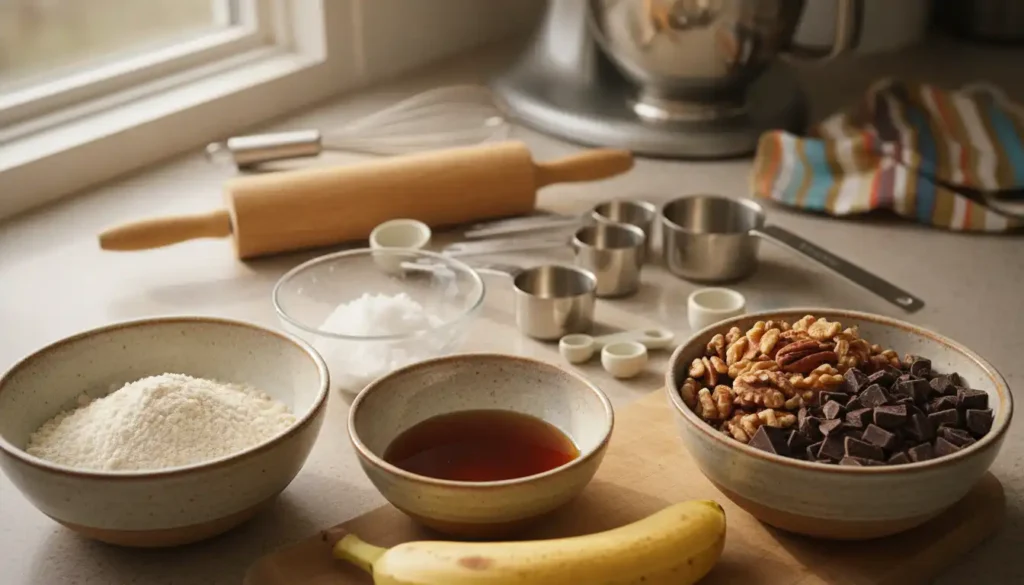
Here’s a compact, practical checklist of the ingredients you’ll use most often for dairy free cookies, plus simple substitution tips and quantity notes so swaps work on the first try.
Ingredient Checklist and Quantity Scaling Options
Dairy-free butter alternatives (use 1:1 where noted): Block-style plant butter most closely mimics dairy butter for structure and minimal spread test one brand first. Try Country Crock Plant Butter Sticks with Avocado Oil, Miyokos, or Trader Joe’s plant butter. If you must use tub or spreadable margarine, chill the dough longer to reduce spread.
Plant-based milks: Plain, unsweetened almond, oat, or soy milk keep flavor neutral. Swap 1:1 for cow’s milk in recipes that call for a splash; avoid sweetened/flavored milks unless you want extra sweetness.
Dairy-free chocolate chips and chocolate: Look for “dairy-free” or “vegan” labels. Enjoy Life is a consistently dairy-free chip brand; Lily’s and Hu offer lines that are often dairy-free but read labels. Tip: chocolate chunks melt differently and may increase spread versus chips.
Flour: Use all-purpose flour for predictable structure and spread. Aim for typical AP protein levels (around 10–12%) — brands like King Arthur often fall in this range. If substituting a lower-protein flour, expect less chew.
Sugars: Light brown sugar adds moisture and chew; granulated sugar encourages crisper edges. As a rule, increasing brown sugar relative to granulated yields chewier cookies; try swapping 2 tbsp of granulated for brown sugar per cup to start.
Oils: Avocado oil offers a neutral, buttery impression; olive oil adds a fruity note that pairs well with chocolate. Use flavorless oils (grapeseed) when you want no added taste. When replacing butter with oil, add 1–2 tbsp of cornstarch or tapioca starch per cup of flour to help bind and firm the dough.
Binding & leavening: Cornstarch or tapioca starch help bind oil-based doughs. Baking soda encourages spread and crackled tops; baking powder gives lift follow your recipe’s leavening amounts for best results.
Flavorings & finishing: Pure vanilla extract and fine sea salt enhance flavor; flaky sea salt as a finishing touch brightens chocolate. Use fine salt for more even distribution; if using table salt, reduce the quantity slightly.
Eggs vs. egg replacements: Eggs add structure and moisture. If a recipe must be strictly vegan, replace 1 large egg with 1 tbsp ground flaxseed + 3 tbsp water (let sit 5 minutes), or use commercial egg replacers expect modest texture changes.
Quantity scaling: use the recipe card’s automatic scaling where available to convert ingredients for smaller or larger batches (e.g., 1 dozen → 3 dozen). When scaling, keep leavening proportional and watch dough hydration you may need to adjust chill time for larger batches.
Note: Always check labels for hidden dairy, pork-derived enzymes, or alcohol-based flavorings if you need strict compliance. Small label verifications prevent surprises and ensure your cookies match dietary needs.
Prep Time, Cook Time, Total Time & Servings: Planning Your Bake
Good planning makes baking smoother—here are realistic timing guidelines for common dairy free cookie recipes plus quick tips to adapt for your oven and batch size.
Classic dairy free chocolate chip cookie (typical yield ~24 cookies):
- Prep time: 15 minutes (including measuring and mixing)
- Cook time: 10–11 minutes per sheet in a preheated oven
- Total time: ~25–26 minutes (not including optional chilling)
- Yields: About 24 cookies (using a 2-tablespoon cookie scoop)
Oil-based brownie-style cookies (thicker, fudgy cookies):
- Prep time: 10 minutes
- Cook time: ~10 minutes
- Rest time: Let the dough sit 15 minutes before scooping to hydrate the flour; optional chilling yields even thicker cookies
- Yields: ~15 large, brownie-like cookies
Timing notes and quick tips:
- Total time should include chilling when called for chill shaped dough 1 hour (fridge) or 15 minutes (freezer) to reduce spread and get thicker centers.
- Always preheat your oven to 350°F (175°C) unless a specific recipe states otherwise; an oven thermometer is useful to confirm actual temperature.
- Bake one sheet at a time on the middle rack for even results; allow cookies to cool on the baking sheet for about 5 minutes before moving to a wire rack.
- If baking from frozen dough balls, add 1–2 minutes to the baking time.
These recipes are categorized as Dessert or Snack and are intentionally easy for home bakers. Adjust the times slightly based on your oven, altitude, and desired cookie texture—crispy edges require a minute or two more; chewier centers may benefit from slightly shorter bake time and a longer cooling period on the sheet.
Step-by-Step Instructions to Bake Perfect Dairy Free Cookies
Follow these clear, tested steps for consistently delicious dairy free cookies. Read through once, then bake — and remember: small adjustments (chill time, scoop size, oven) change texture, so use the notes below to dial in your perfect cookie.
- Preheat your oven to 350°F and line a baking sheet with parchment paper. Preheating ensures even baking and a predictable bake time.
- Sift together the all-purpose flour, baking soda, and fine sea salt in a small bowl; set aside. This ensures even distribution of the leavening and salt.
- Combine fats and sugars: For thinner cookies with crispier edges, melt the dairy-free block butter and whisk it with light brown sugar and granulated sugar. For thicker, chewier cookies, use cold plant butter and beat it with the sugars until light and fluffy (about 2 minutes).
- Add one room temperature egg and pure vanilla extract to the creamed mixture. Beat until just combined — overmixing after adding the egg develops gluten and can toughen the cookie.
- Gradually add the dry ingredients to the wet mixture a little at a time, mixing until the flour is incorporated and no streaks remain. Stop as soon as the dough comes together to keep cookies tender.
- Fold in dairy-free chocolate chips or chopped chocolate until evenly distributed. Note: chocolate chunks melt differently than chips and may increase spread.
- For oil-based brownie cookies: Whisk oil and sugars until smooth, add vanilla and salt, then beat in the egg vigorously for 1 minute. Sift in Dutch-process cocoa and fold in the dry ingredients.
- Let oil-based dough rest covered for 15 minutes to hydrate the flour — this firms the dough for easier scooping and better texture. For butter-based doughs, chill shaped dough if you want thicker cookies.
- Portion with a cookie scoop for uniform cookies — use a 2-tablespoon scoop for standard cookies (about 24 per batch) or a 1.5-tablespoon scoop for smaller cookies. Place dough balls at least 2 inches apart on the prepared baking sheet.
- Optional finishing: Sprinkle flaky sea salt on each dough ball before baking to enhance chocolate flavor.
- Bake for 10–11 minutes. Look for centers that appear just set and edges that are lightly golden — this yields crispy edges and chewy centers. If baking from frozen dough, add 1–2 minutes to the bake time.
- Let the cookies rest on the baking sheet for about 5 minutes, then transfer with a thin spatula to a wire rack to cool completely. This resting time lets the cookies set and finish cooking gently.
- Pro tip: For thicker cookies, chill shaped dough in the refrigerator for 1 hour or in the freezer for 15 minutes before baking; add ~2 minutes to the baking time if chilled.
Extra micro-tips: if your kitchen is warm, chill the dough before scooping; use an oven thermometer to confirm your oven reads 350°F; and when swapping butter for oil, consider adding 1–2 tbsp cornstarch per cup of flour to help bind the dough. Each recipe here avoids pork-derived ingredients and alcohol-based flavorings for wide accessibility.
Tips, Notes, and Tricks for Best Results Every Time
Short, actionable tips that fix common problems and help you get consistently great dairy free cookies every bake.
Quick Tip: Use dairy free block butter (not tub-style spread) when you want firmer dough and less spread. Brands like Country Crock Plant Butter Sticks, Miyokos, or Trader Joe’s plant butter are good to test — but always try one brand first to learn how it behaves in your oven.
Oil vs. butter: Oils are pure fat, while butter contains about 15–20% water and milk solids. That difference changes dough hydration and spread. If you replace butter with oil, add 1–2 tablespoons cornstarch or tapioca starch per cup of flour to help bind and firm the dough and preserve texture.
Best oils for cookies: Avocado oil gives a neutral, buttery impression; grapeseed is flavorless; olive oil adds a fruity note that can pair nicely with chocolate. Choose based on the flavor you want.
Cocoa choices: For deep, rich chocolate in brownie-style cookies, Dutch-process cocoa is ideal. Natural cocoa behaves differently — expect variations in spread and color if you swap them.
Eggs & temperature: Use eggs at room temperature for easier incorporation and better texture. If you need egg-free (vegan), use a flax “egg” (1 tbsp ground flax + 3 tbsp water per egg) or a commercial replacer and note texture will change slightly.
Sugar & texture: More brown sugar increases chewiness; more granulated sugar yields crisper edges. Try swapping 2 tablespoons of granulated sugar for brown sugar per cup to nudge chewiness without drastic reformulation.
Leavening: Baking soda encourages spread and those classic crackled tops; baking powder gives lift. Stick to the recipe’s leavening amounts for best results.
Avoid overmixing: Once the flour goes in, mix only until just combined to prevent excess gluten and tough cookies.
Chill for control: Chill shaped dough 1 hour (fridge) or 15 minutes (freezer) to reduce spread and get thicker centers. This is especially helpful with spread-prone tub margarines or on warm days.
Baking sheet and parchment: Lining a baking sheet with parchment paper is usually enough; you don’t need to grease the parchment. If your parchment shifts while scooping, lightly grease the sheet under the parchment to hold it in place.
Finishing touches: Sprinkle flaky sea salt on dough balls before baking to boost chocolate flavor. Experiment with add-ins like dairy free chocolate chips, chopped chocolate, or toasted nuts chunks will typically cause more spread than chips.
Troubleshooting CTA: If a batch spreads too much, try chilling dough longer, adding 1–2 tbsp cornstarch per cup of flour, or switching to a firmer block-style plant butter. For overbaked cookies, reduce bake time by 1–2 minutes and remove when centers still look slightly underdone.
All tips above keep recipes dairy free and avoid pork-derived or alcohol-based ingredients. For a printable troubleshooting checklist, consider saving this section or using the recipe card’s PDF option.
Storage Tips: How to Keep Your Dairy Free Cookies Fresh
Proper storage preserves texture and flavor so your dairy free cookies taste as good days later as they do fresh from the oven. Use these simple, practical methods for both raw dough and baked cookies.
At room temperature: Cool baked cookies completely on a wire rack before storing to avoid condensation and sogginess. Store in an airtight container at room temperature for up to 3–5 days for best texture (crispy edges and chewy centers).
Layering & parchment: Place a sheet of parchment paper between layers to prevent sticking and protect the cookie surface.
Freezing raw cookie dough (make-ahead):
- Portion cookie dough with a cookie scoop onto a parchment-lined baking sheet.
- Freeze until solid (about 1–2 hours), then transfer dough balls to an airtight container or freezer bag. Separate layers with parchment paper.
- Label the container with the recipe name and date frozen dough keeps well for up to 3 months.
Baking from frozen dough: Place frozen dough balls on a parchment-lined baking sheet. You can bake straight from frozen add about 1–2 minutes to the bake time and watch for visual cues (centers just set, edges lightly golden).
Freezing baked cookies: Cool completely, layer with parchment in an airtight container, and freeze for up to 2 months. Thaw at room temperature for 15–30 minutes before serving; they retain flavor and texture very well.
Quick tips: If your parchment slides while scooping, lightly grease the baking sheet under the parchment to hold it in place. For easy meal prep, make multiple batches of scooped dough and freeze them ready to bake.
All storage suggestions avoid pork-derived ingredients and alcohol-based preservatives. For neat organization, consider printable freezer labels (date + cookie type) so you always know what’s inside.
Nutrition Facts of Dairy Free Cookies
If you track calories or nutrients, it helps to know a typical nutrition range for a standard cookie and how ingredient swaps change the profile. Below are quick, searchable nutrition facts and practical tips for calculating exact values.
Typical estimate (per 1 standard cookie — ~25–30 g):
- Calories: ~120–150 calories per cookie (depends on size and brands used)
- Macronutrients: Mostly carbohydrates from flour and sugar, fats from plant butter or oil, and a small amount of protein from egg and flour
- Chocolate: Using dark chocolate or higher-cocoa chips reduces sugar slightly and adds antioxidants compared with milk chocolate
Notes on ingredient swaps:
- Cookies made with oil instead of plant butter may have a different fat composition (oil is pure fat; plant butter contains added water and solids) this can affect mouthfeel and calorie density slightly.
- Reducing sugar or partially replacing granulated sugar with brown sugar will change texture as well as nutrition: more brown sugar = chewier cookies but slightly different calorie distribution.
For precise nutrition facts, copy the exact scaled ingredient list for your batch into a trusted online nutrition calculator or spreadsheet (CSV-friendly). Enter the total recipe yield and divide by the number of cookies to get per-cookie values. This is the most accurate method because brands and portion sizes affect calories and macros.
These dairy free cookie recipes are suitable for people avoiding milk; some are vegan (no eggs) check the individual recipe notes. Enjoy treats mindfully and adjust ingredients if you are monitoring saturated fat, sugar, or overall calories.
You may also enjoy these recipes:
Conclusion
Baking delicious dairy free cookies is easier than it sounds with the right ingredients and a few technique tweaks you’ll get cookies with crispy edges and chewy centers every time. This guide gives you ingredient swaps, timing guidance, and troubleshooting so you can bake with confidence.
Use the ingredient checklist and scaling tools to customize any recipe, from our classic dairy free chocolate chip cookie to vegan or oil-based brownie-style variations. All recipes avoid pork and alcohol-based ingredients for broad accessibility.
Ready to start? Try the top-rated chocolate chip cookie recipe in this guide, save or print the recipe card, and share your results. Leave a rating or comment to help other bakers and come back to explore more cookie recipes and flavor ideas.
FAQ
What are the best substitutes for butter in dairy free cookies?
Use block-style plant butter for a 1:1 swap to preserve texture (less spread). Coconut oil or neutral vegetable oils work too — when using oil, add 1–2 tbsp cornstarch per cup of flour to help bind the dough. For vegan options, choose dairy-free margarine labeled for baking.
How do I ensure my cookies have the right texture?
Measure flour accurately (use a spoon-and-level method), avoid overmixing after adding flour, and use the sugar ratio to control texture: more brown sugar = chewier, more granulated = crisper. Chill dough if it spreads too much.
Can I use regular chocolate chips in dairy free recipes?
No — most regular chips contain milk. Choose chips labeled “dairy-free” or “vegan” (brands like Enjoy Life). Read labels carefully, since some dark chocolate chips may still include milk solids.
What is the ideal baking temperature for these cookies?
Preheat your oven to 350°F (175°C) for most recipes in this guide. Use an oven thermometer to confirm accuracy and bake one sheet at a time on the middle rack for even results.
How long should I bake the cookies?
Bake for about 10–12 minutes for standard cookies (watch for lightly golden edges and centers that look just set). If baking from frozen dough, add 1–2 minutes. See the Step-by-Step section for more bake-time cues.
Can I freeze cookie dough for later use?
Yes. Scoop dough onto a parchment-lined baking sheet and freeze until solid, then transfer to a freezer bag or airtight container. Bake from frozen, adding 1–2 minutes to the baking time.
What can I add to enhance the flavor of my cookies?
Vanilla extract and a pinch of flaky sea salt are simple, effective boosts. For texture and flavor, add dairy-free chocolate chips, chopped chocolate, nuts, or dried fruit. Adjust add-in size: chips spread less than large chunks.
How should I store my baked cookies?
Store cooled cookies in an airtight container at room temperature for up to 3–5 days. For longer storage, freeze layered with parchment paper; thaw at room temperature before serving.