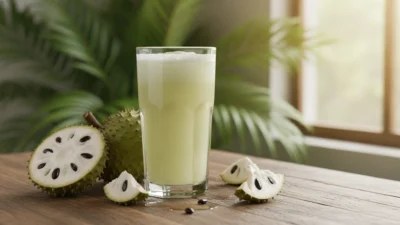

Electrolyte drink recipe: make a quick, natural beverage to rehydrate after a workout or a hot day. Many commercial sports drinks contain high sugar and artificial ingredients, this simple homemade electrolyte lets you control the taste, salt, and sweetness.
In this guide you’ll find an easy, affordable recipe using coconut water, citrus juice, and a pinch of sea salt, no artificial flavors or expensive supplements required. It’s designed for fast hydration and a clean ingredient list you can trust.
Ready to try it? Scroll down to the printable recipe card and step-by-step instructions to make this refreshing drink in your kitchen. Save the recipe and tweak ingredients to match your needs and flavor preferences.

Healthy Electrolyte Drink Recipe Without Artificial Ingredients
Equipment
- Glass jar or bottle, measuring cups, measuring spoons, citrus juicer, spoon or shaker
Ingredients
- 2 cups coconut water 480 mL
- 1 cup filtered water 240 mL
- 1/4 teaspoon sea salt or Himalayan pink salt
- Juice of 1 lemon 1–2 tbsp
- Juice of 1 small lime ≈1 tbsp
- 1 teaspoon honey or maple syrup optional
- Optional: 1/4 tsp magnesium powder follow label
Instructions
- Combine coconut water and filtered water in a large container.
- Add sea salt and stir well until dissolved.
- Add fresh lemon and lime juice.
- Add honey or maple syrup (optional) and mix.
- Stir or shake vigorously for 30 seconds.
- Taste and adjust salt, sweetness, or acidity if needed.
- Serve chilled or over ice.
Notes
Nutrition (per 16 oz serving approx.)
- Calories: 45–60 kcal
- Carbohydrates: 10–12 g
- Sugars: 6–8 g
- Sodium: ~110 mg (can be increased)
- Potassium: 250–350 mg
- Magnesium: 15–25 mg
- Calcium: 8–12 mg
- Vitamin C: 10–20 mg
Variations
- Keto version: remove sweetener, reduce coconut water
- Diabetic-friendly: dilute coconut water 50/50 with water
- Flavor boost: add mint, cucumber, or orange juice
Notes
- Best consumed within 24–48 hours (refrigerated).
- Increase salt slightly for heavy sweating or intense workouts.
- Dilute coconut water for lower sugar intake.
- Skip sweetener for keto or diabetic-friendly version.
1. Understanding Electrolytes: Why Your Body Needs Them
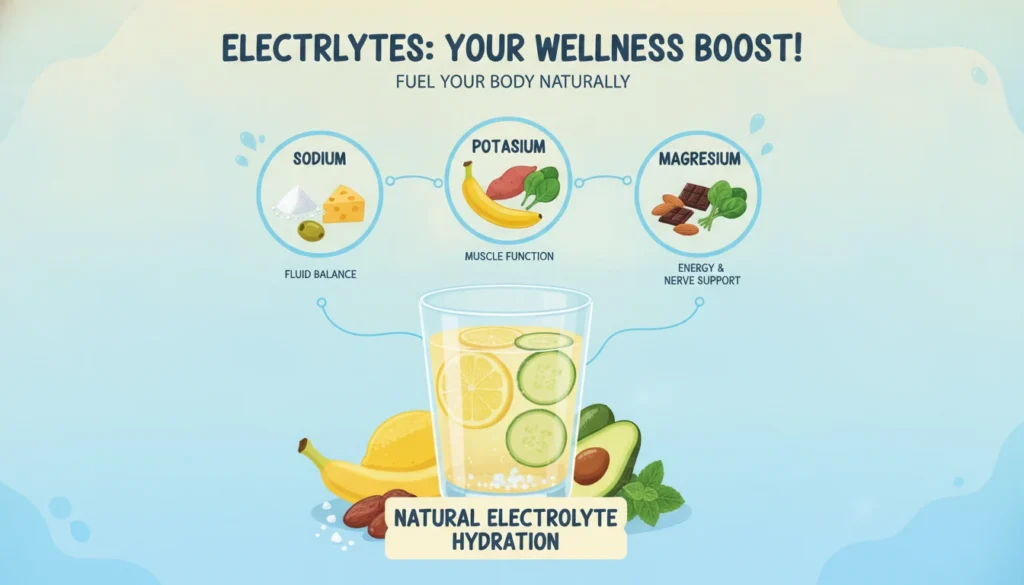
Electrolytes are minerals that carry electrical charges and keep your body’s fluids and cells in balance. Key electrolytes include sodium, potassium, magnesium, calcium, chloride, and phosphate — each helps with hydration, nerve signals, and muscle function.
Keeping electrolytes in balance is essential for hydration and healthy bodily function. When you sweat, you lose sodium and potassium; without replacement, muscle performance and overall balance can suffer.
What Are Electrolytes and How Do They Work
Electrolytes dissolve in water and conduct electrical signals that enable muscles to contract (including the heart) and nerves to fire. Heavy exercise or hot conditions increase sweat losses: athletes can lose several hundred milligrams of sodium and hundreds of milligrams of potassium per hour depending on intensity and climate.
Signs You Might Need More Electrolytes
Watch for these common signs of low electrolyte levels:
- Muscle cramps or weakness
- Unusual fatigue
- Headaches or lightheadedness
- Brain fog or trouble concentrating
- Fast or irregular heartbeat (seek medical advice if this occurs)
- Strong thirst
If you experience severe symptoms—especially irregular heartbeat, fainting, or persistent weakness—consult a healthcare provider promptly. People on blood pressure or diuretic medications should talk to their doctor before changing electrolyte intake.
Natural Sources of Electrolytes vs. Store-Bought Drinks
Many people ask, does water have electrolytes? Plain tap or filtered water contains very small amounts of minerals; it won’t replace substantial electrolyte losses after long, sweaty activity. For replenishment, rely on electrolyte-rich foods and beverages.
| Natural Sources | Store-Bought Drinks |
| Bananas (potassium) | Sports drinks (sodium + sugar) |
| Avocados (potassium, magnesium) | Electrolyte powders (variable ingredients) |
| Leafy greens like spinach (magnesium, calcium) | Flavored waters (often low electrolytes, added flavors) |
| Sweet potatoes (potassium) | High-sugar drinks (may spike blood sugar) |
Whole foods provide electrolytes plus vitamins and fiber; some commercial electrolyte drinks do replenish minerals but may also include added sugars, artificial flavors, or citric acid. Choose options with clear ingredient lists or make a homemade electrolyte drink to control what goes into your body.
2. Benefits of Making Your Own Electrolyte Drink at Home
Making a homemade electrolyte drink gives you clear advantages: you control the ingredients, save money compared with many commercial options, and avoid hidden sugars and artificial additives that can affect taste and health.
Control Over Ingredients and Quality
When you mix your own drink, every ingredient is transparent. Choose high-quality coconut water, fresh citrus juice, and a pinch of sea salt to dial in the balance of electrolytes and flavor. This lets you tailor the recipe to dietary needs—whether you prefer lower sugar, organic ingredients, or a specific mineral boost.
Cost-Effectiveness of Homemade Electrolyte Drinks
Store-bought sports drinks and single-use electrolyte packets add up. Using simple pantry items like sea salt, lemon or lime juice, and coconut water is often significantly cheaper per 16-oz serving. (Tip: buy coconut water in larger containers and use tap or filtered water to stretch the base and lower cost.)
Avoiding Artificial Additives and Hidden Sugars
Many commercial electrolyte drinks contain added sugars (dextrose, maltodextrin) and artificial flavors or colors. Those ingredients can spike blood sugar for some people and introduce unwanted additives. Making your own drink lets you skip these and use natural sweeteners or no sweetener at all—an important option for people watching carbs or preferring cleaner food choices.
Bottom line: homemade electrolyte drinks offer better ingredient control, health-friendly options, and cost savings—plus the flexibility to adjust taste and mineral content for your activity and health goals. Jump to the recipe card to try the basic version or customize it for your needs.
3. Essential Ingredients for a Natural Electrolyte Drink
To make an effective electrolyte drink, focus on a few whole-food ingredients that deliver minerals and flavor. Below are the primary components and why each matters for hydration, taste, and health.
Coconut Water: The Base for Natural Hydration
Coconut water makes a great base because it is naturally high in potassium — typically about 400–600 mg per cup (240 mL) depending on the brand — plus small amounts of magnesium and calcium. It adds a light sweetness and provides electrolytes without artificial flavors. Choose pasteurized coconut water for safety (especially if you are immunocompromised); young green coconut water is often sold with higher mineral content.
Sea Salt or Himalayan Salt for Sodium and Minerals
A pinch of sea salt or Himalayan pink salt supplies sodium, the key electrolyte lost in sweat. Table salt is mostly sodium chloride, while sea and Himalayan salts contain tiny amounts of trace minerals (iron, calcium, magnesium) useful for flavor but not a substitute for a balanced diet. Measure carefully: a 1/4 teaspoon of salt provides roughly 500–600 mg of sodium; adjust to taste and needs.
Citrus Fruits for Potassium and Vitamin C
Fresh lemon, lime, or orange juice brightens flavor and adds potassium and vitamin C. For example, the juice of one medium lemon or lime contributes vitamin C and a modest amount of potassium; a small orange adds more potassium and natural sweetness. Use fresh juice (about 1–2 tablespoons per serving) for best flavor and nutrition.
Natural Sweeteners: Honey or Maple Syrup Options
If you want sweetness and a small energy boost, use raw honey or pure maple syrup. Both contain trace antioxidants compared with refined sugar, but they still add carbohydrates 1 teaspoon of honey or maple syrup is roughly 5–6 g of sugar. For lower-carb needs, skip sweetener or use a noncaloric option like monk fruit extract.
Other ingredient ideas: cucumber or mint for fresh flavor, a pinch of magnesium powder if you need extra magnesium (follow dosing on the product), or a splash of unsweetened fruit juice to vary taste. These ingredient choices let you make homemade electrolyte drinks that match your flavor preferences and mineral goals.
4. Complete Electrolyte Drink Recipe
Making your own electrolyte drink at home is fast and rewarding. Below is a printable, easy-to-scale electrolyte drink recipe that balances taste, hydration, and simple ingredients so you can refuel after activity or on a hot day.
Prep Time, Cook Time, Total Time, Servings
- Prep Time: 5 minutes
- Cook Time: 0 minutes
- Total Time: 5 minutes
- Servings: 2 servings (approximately 16 ounces / 480 mL each)
Course and Cuisine
- Course: Beverage
- Cuisine: American, Health-Focused
Calories and Nutrition Facts (per 16-oz serving, approximate)
Each serving is light on calories and supplies key electrolytes. Values will vary by brand of coconut water and exact juice amounts.
| Nutrient | Amount (approx.) |
| Calories | 45–60 kcal |
| Total Carbohydrates | 10–12 g |
| Sugars | 6–8 g (from coconut water & juice) |
| Sodium | 110 mg (see note for higher-sodium option) |
| Potassium | 250–350 mg |
| Magnesium | 15–25 mg |
| Calcium | 8–12 mg |
| Vitamin C | 10–20 mg |
Ingredients Checklist with Quantity Scaling Options
Basic recipe (makes two 16-oz / 480 mL servings):
- 2 cups (480 mL) coconut water
- 1/4 teaspoon sea salt or Himalayan pink salt (≈ 500–600 mg sodium total; adjust as needed)
- Juice of 1 medium lemon (≈ 1–2 tbsp / 15–30 mL)
- Juice of 1 small lime (≈ 1 tbsp / 15 mL)
- 1 teaspoon raw honey or maple syrup (optional; ≈ 5–6 g sugar)
- 1 cup (240 mL) filtered water
- Optional: 1/4 teaspoon magnesium powder (follow product dosing) or a pinch of calcium carbonate for mineral support
Scaling:
- 1x: Standard recipe (above)
- 2x: Double the ingredients for ~64 oz total
- 4x: Quadruple for a party or to bottle for the week
Notes and Variations
– If you need more sodium (for heavy sweat losses), increase salt to reach about 200–400 mg sodium per 16-oz serving for example, add an extra 1/8–1/4 teaspoon sea salt and taste as you go. Use caution if you have high blood pressure or are on a sodium-restricted diet; consult your healthcare provider.
– Swap coconut water for plain filtered water + 1/4 cup unsweetened orange juice for a different flavor and potassium boost.
– For lower-carb or keto needs, skip honey/maple syrup or use a few drops of monk fruit extract.
Shopping & Prep Tips
– Buy coconut water in larger cartons to reduce cost per cup.
– Fresh-squeeze lemon and lime juice gives the best flavor and vitamin C; store-bought 100% juice works in a pinch.
– Keep sea salt and magnesium powder on hand as pantry staples if you make homemade electrolyte drinks often.
Storage Tips
Refrigerate in an airtight glass container at or below 40°F (4°C). Best consumed within 24–48 hours for peak flavor and freshness. If you need longer storage, freeze portions in ice cube trays and thaw when needed.
5. Step-by-Step Instructions for Your Homemade Electrolyte Drink
Follow these clear steps to make a refreshing electrolyte drink that balances hydration, flavor, and simple ingredients.
Preparing Your Base Liquid
- In a large container, combine 2 cups (480 mL) coconut water and 1 cup (240 mL) filtered water. Chilled coconut water makes the drink more refreshing and reduces the need for ice (melted ice will dilute the electrolyte concentration).
Adding Electrolyte Sources
- Add 1/4 teaspoon sea salt (about 500–600 mg sodium). Squeeze in the juice of 1 medium lemon and/or 1 small lime, straining out seeds and excess pulp. If using optional mineral powders (magnesium), add them now and follow the product dosing on the label.
Sweetening and Flavoring Naturally
- If you want sweetness, stir in 1 teaspoon (5–6 g) honey or maple syrup per batch (increase to 1–2 tablespoons only if you need extra energy). For a low-carb option, skip the sweetener or use a few drops of monk fruit; for a sugar-free sports alternative, consider a quality sugar free hydration powder.
Mixing and Serving
- Mix or shake vigorously for about 30 seconds to dissolve salts and sweeteners. Taste and adjust: if too salty, add filtered water; if too tart, add a touch more honey or maple syrup. Pour over ice if desired and serve immediately.
Storage note: Refrigerate leftovers in an airtight glass container at or below 40°F (4°C). Because of fresh citrus, consume within 24–48 hours for best flavor and safety (use sooner if unpasteurized coconut water was used).
Quick Reference Table
| Ingredient | Amount Electrolyte | Content |
| Coconut Water | 2 cups (480 mL) | High in potassium (~250–350 mg per serving) |
| Sea Salt | 1/4 teaspoon | ≈500–600 mg sodium total in batch (adjust to reach 200–400 mg/16-oz if needed) |
| Lemon / Lime Juice | Juice of 1 lemon + 1 lime | Vitamin C and small potassium contribution |
| Honey / Maple Syrup | 1 teaspoon (optional) | Natural sweetness (≈5–6 g sugar) |
Tips for Athletes
If you expect heavy sweat losses (long runs, hot climates), increase sodium to reach roughly 200–400 mg sodium per 16-oz serving—add an extra 1/8–1/4 teaspoon sea salt as needed. Always test during training, not race day, and consult your doctor if you have high blood pressure or medical conditions.
6. Customizing Your Electrolyte Drink for Specific Needs
You can tailor this homemade electrolyte drink to match dietary goals, medical needs, or activity levels. Below are practical, evidence-informed options for keto, diabetic-friendly, and ingredient-sensitive versions.
Keto Electrolyte Drink: Low-Carb Modifications
For a keto-friendly electrolyte option, focus on keeping carbs minimal while maintaining sodium, potassium, and magnesium balance.
- Skip the sweeteners: Omit honey or maple syrup to keep carbs low.
- Use low-carb flavoring: Add a few drops of liquid monk fruit extract or stevia glycerite if you want sweetness with no carbs.
- Boost sodium carefully: Increasing salt can ease “keto flu” symptoms for some people — add an extra 1/8 teaspoon sea salt to the batch to raise sodium modestly. Aim for adequate sodium and magnesium rather than excessive intake.
Sample keto tweak: 2 cups coconut water (or 1 cup coconut water + 1 cup filtered water to reduce carbs), 1/4–3/8 tsp sea salt, juice of 1/2 lemon, a few drops monk fruit, plus 1/8 tsp magnesium powder if recommended by the product.
Diabetic-Friendly Electrolyte Drink: Sugar-Controlled Options
If you need a low-sugar option (for diabetes or blood‑sugar control), focus on diluting natural sugars and monitoring portions.
- Moderate coconut water: Coconut water contains natural sugars (~6–9 g per cup depending on brand). Use 1 cup coconut water + 1 cup filtered water, or dilute more, to lower carbs per serving.
- Dilute and season: Increase filtered water, keep citrus small (1 tablespoon lemon or lime juice), and use salt for flavor and sodium replenishment.
- No added sweetener: Skip honey/maple syrup. If you prefer sweetness, use a zero-calorie sweetener tested for your tolerance and blood-sugar response.
Sample diabetic-friendly version: 1 cup coconut water + 1 cup water, 1/4 tsp sea salt, 1 tbsp lime juice — taste and adjust. Always monitor blood glucose and consult your healthcare provider if unsure.
Electrolytes Without Stevia or Citric Acid Alternatives
For people who avoid certain additives or flavors, try these ingredient swaps and flavor boosters:
- Cucumber-infused water: Thin slices of cucumber add freshness and mild flavor without needing sweeteners or citric acid.
- Fresh herbs: Mint, basil, or a sprig of rosemary lift flavor naturally.
- Unsweetened cranberry or pomegranate juice (small amount): Adds tartness and antioxidants — use sparingly (1 tbsp) to limit sugar.
- Magnesium options: If you prefer magnesium without citric acid, use magnesium glycinate or magnesium citrate powder per product instructions (consult dosing guidance).
Always check product labels and consult a clinician if you have kidney disease, take blood-pressure medications, or have other medical conditions that affect electrolyte needs. These customizations let you make a homemade electrolyte drink that supports your sports performance, daily hydration, or medical requirements while keeping flavor and safety in mind.
7. When to Drink Your Homemade Electrolyte Beverage
Timing your electrolyte drink can improve hydration, performance, and recovery. Below are practical, evidence-aligned guidelines for athletes, people who are sick, and everyday hydration needs.
Best Times for Athletes and Runners
For sports and long workouts, plan intake around activity:
- Pre-event: Drink 8–16 oz (240–480 mL) of your electrolyte drink 30–60 minutes before exercise to top off fluid and sodium stores.
- During long efforts: For workouts or races longer than ~60–90 minutes (especially in heat), sip 4–8 oz (120–240 mL) every 15–20 minutes. Aim to replace fluids at roughly 400–800 mL per hour and consider 200–400 mg sodium per 16-oz (480 mL) serving when sweat losses are high.
- Post-exercise: Within 30 minutes after finishing, drink 8–16 oz (240–480 mL) to start recovery; follow with additional fluids until urine returns to normal color and volume.
Using Electrolyte Drinks When Sick
Illnesses that cause fever, vomiting, or diarrhea increase risk of dehydration and electrolyte loss:
- Start with small, frequent sips (1–2 tablespoons every few minutes) if nausea is present; room-temperature or slightly warmed drinks can be gentler on the stomach.
- Focus on sodium and fluid replacement—use the basic recipe but reduce citrus if it irritates your stomach.
- If symptoms are severe or you have dizziness, fainting, or an irregular heartbeat, seek medical care.
Daily Hydration vs. Post-Workout Recovery
For routine daily hydration, plain water is sufficient for many people. Add electrolytes when:
- You exercise intensely or for longer than an hour
- You live or work in a hot climate and sweat heavily
- You follow a low-carb or ketogenic diet (which increases electrolyte needs)
Hydration checklist: monitor thirst, check urine color (pale yellow is ideal), note body weight changes after exercise (a loss >2% indicates significant dehydration), and adjust fluid/electrolyte intake accordingly.
Use this timing guide during your next workout and tweak volumes to match your sweat rate and comfort. For personalized guidance, especially if you have medical conditions, consult a sports nutritionist or healthcare provider.
8. Storage Tips and Shelf Life of Your Electrolyte Drink
Proper storage keeps your homemade electrolyte drink safe and tasting its best. Use airtight glass containers (mason jars or BPA-free bottles) and refrigerate promptly to slow bacterial growth and preserve flavor.
How to Properly Store Your Homemade Drink
Store drinks in clean, airtight glass containers and refrigerate at or below 40°F (4°C). Label containers with the time and date you made the batch so you can track freshness. Avoid drinking directly from the storage jar to prevent contamination—pour into a glass instead.
How Long Does Homemade Electrolyte Drink Last
Because this recipe uses fresh citrus and coconut water, plan to consume refrigerated batches within 24–48 hours for optimal flavor and safety. In some cases—if you use pasteurized coconut water, very cold storage, and strict hygiene flavor may hold up to 72 hours, but 24–48 hours is the safest guideline.
To keep portions longer, freeze the drink in ice cube trays or sealed freezer-safe containers. Frozen cubes can be stored for about a month; thaw only the portion you need to minimize repeated temperature changes.
Signs Your Drink Has Gone Bad
Check your drink before consuming. Toss it if you notice:
- Off or sour odors: stronger than normal citrus tang
- Visible mold or heavy cloudiness
- Unusual fizzing or fermentation bubbles
- Bad or “off” taste
A quick shake can re-suspend settled minerals, but it won’t fix spoilage. If in doubt, discard the drink.
Special caution: People with weakened immune systems should use pasteurized coconut water and err on the side of shorter storage times. While honey has mild antimicrobial properties, don’t rely on it to extend shelf life—proper refrigeration and prompt consumption are the best protections.
9. Common Mistakes to Avoid When Making Electrolyte Drinks
Making a homemade electrolyte drink is simple, but a few common mistakes can reduce its effectiveness or cause unwanted side effects. Avoid these pitfalls to keep your drinks safe, balanced, and tasty.
Using Too Much Salt
Sodium is essential for hydration, but too much can cause an unpleasant taste, upset the stomach, and worsen health for people with high blood pressure. For active people, a general sports guideline is about 200–400 mg sodium per 16‑oz (480 mL) serving during heavy sweat losses. Measure salt carefully: 1/8 teaspoon table salt ≈ 300 mg sodium (approximate), and 1/4 teaspoon sea salt in a batch can produce ~500–600 mg sodium total — adjust and divide by serving size to hit your target.
Not Balancing Sodium and Potassium
Electrolyte balance matters. Too much sodium without enough potassium can impair cellular function and may affect blood pressure. Aim for roughly a 1:2 to 1:3 sodium:potassium ratio when replacing large sweat losses; coconut water and small amounts of citrus help supply potassium. This balance supports muscle contraction and nerve signaling.
Choosing Artificial Sweeteners Over Natural Options
Artificial sweeteners (sucralose, aspartame) are common in some electrolyte powders and drinks. Some people report digestive upset or altered taste preferences with these ingredients. If you prefer natural tastes, choose small amounts of honey or maple syrup or skip sweeteners entirely. Keep in mind that any added sugar raises carbohydrate content and may not be appropriate for everyone.
| Mistake | Consequence | Practical Fix |
| Using too much salt | Bad taste; potential dehydration or high sodium load for some | Measure precisely; aim for 200–400 mg Na per 16‑oz for heavy sweat situations; use 1/8 tsp increments |
| Not balancing sodium & potassium | Electrolyte imbalance; muscle cramps | Include coconut water or potassium-rich foods; target ~1:2–1:3 Na:K when needed |
| Choosing artificial sweeteners | Possible gut issues, cravings | Use natural sweeteners sparingly or none; try fruit juice or monk fruit |
Extra Tips and Cautions
- Example calculation: If your batch uses 1/4 tsp sea salt (~550 mg sodium) and makes two 16‑oz servings, each serving contains ~275 mg sodium — within the 200–400 mg range.
- Low-sodium alternative: For people with sodium restrictions, halve the salt and rely more on potassium from coconut water and foods.
- Medical caution: If you have high blood pressure, heart disease, kidney disease, or take sodium-affecting medications (diuretics, ACE inhibitors), consult your healthcare provider before increasing sodium intake.
Avoiding these mistakes will help you make effective, balanced electrolyte drinks that support hydration, muscle function, and overall recovery.
10. Conclusion
Making your own electrolyte drink at home gives you control over ingredients, flavor, and cost. A simple electrolyte drink recipe made with coconut water, fresh citrus, and a pinch of sea salt can replenish key electrolytes without the added sugars or artificial additives found in many sports products.
Note: not every homemade mix is truly isotonic; osmolality depends on exact sodium and carbohydrate levels. Our basic recipe provides a balanced starting point that you can adjust for sports performance, keto needs, or diabetic-friendly options (see customization section). If you need a drink that precisely matches blood plasma osmolality for clinical reasons, consult a clinician or sports nutritionist.
Experiment with flavors and ingredients to keep hydration enjoyable: add mint, cucumber, or a splash of unsweetened juice. Pay attention to how your body responds and tailor recipes to your activity level and health goals. For anyone with high blood pressure, kidney disease, or on sodium-related medications, check with your doctor before increasing sodium intake.
Try the recipe, print it, or pin it for later — and share your variations or questions in the comments. For more information and related recipes, check our guides on sports hydration, foods high in electrolytes, and safe supplementation.
You may also enjoy these recipes:
FAQ
What is the best electrolyte drink for diabetics?
The best electrolyte drink for diabetics is low in added sugars and portion-controlled. A good homemade electrolyte option is 1 cup coconut water diluted with 1 cup filtered water, 1/4 teaspoon sea salt, and 1 tablespoon lime or lemon juice no added honey or syrup. Monitor blood glucose and consult your healthcare provider if needed.
Can I make an electrolyte drink without stevia?
Yes. Use natural sweeteners like a small amount of honey or maple syrup, skip sweeteners entirely, or use monk fruit for a zero‑calorie option. Fresh coconut water and citrus usually provide enough natural flavor.
How long does homemade electrolyte drink last?
Store homemade electrolyte drinks in airtight glass containers in the fridge at or below 40°F (4°C) and consume within 24–48 hours for best flavor and safety. Use pasteurized coconut water and stricter hygiene if you plan to keep it longer.
What foods have electrolytes?
Foods rich in electrolytes include bananas, avocados, sweet potatoes, spinach, yogurt, nuts, and citrus fruits. These foods provide potassium, magnesium, calcium, and other minerals that support hydration and overall health.
Does water have electrolytes?
Plain water contains minimal electrolytes and won’t replace significant losses after prolonged sweating. Use water together with electrolyte-rich foods or an electrolyte drink recipe when you need to replenish minerals.
What is an electrolyte homemade drink recipe?
A simple homemade electrolyte drink recipe: 2 cups coconut water + 1 cup filtered water + 1/4 teaspoon sea salt + juice of 1 lemon and 1 lime + 1 teaspoon raw honey or maple syrup (optional). Mix well and chill. Adjust salt for higher sodium needs (athletes) or reduce sweetener for low‑carb needs.
How can I customize my electrolyte drink for keto?
For a keto-friendly version, omit honey or maple syrup, dilute coconut water with extra filtered water to lower carbs, and ensure adequate sodium and magnesium. Consider adding a small serving of magnesium powder per product instructions.
What are the signs that I might need more electrolytes?
Common signs include muscle cramps, fatigue, headaches, brain fog, excessive thirst, and in serious cases, an irregular heartbeat. If you experience severe symptoms, seek medical advice.
Can I use coconut water as a base for my electrolyte drink?
Yes. Coconut water is a convenient base because it naturally contains potassium, magnesium, and other minerals. Dilute with filtered water or adjust salt to meet your sodium needs for optimal balance.
What is the difference between homemade and store-bought electrolyte drinks?
Homemade electrolyte drinks let you control ingredients, reduce added sugars and artificial additives, and often cost less. Store-bought drinks can be convenient and calibrated for sports use but may include extra sugars, flavors, or preservatives—check labels and choose what fits your health and taste preferences.