
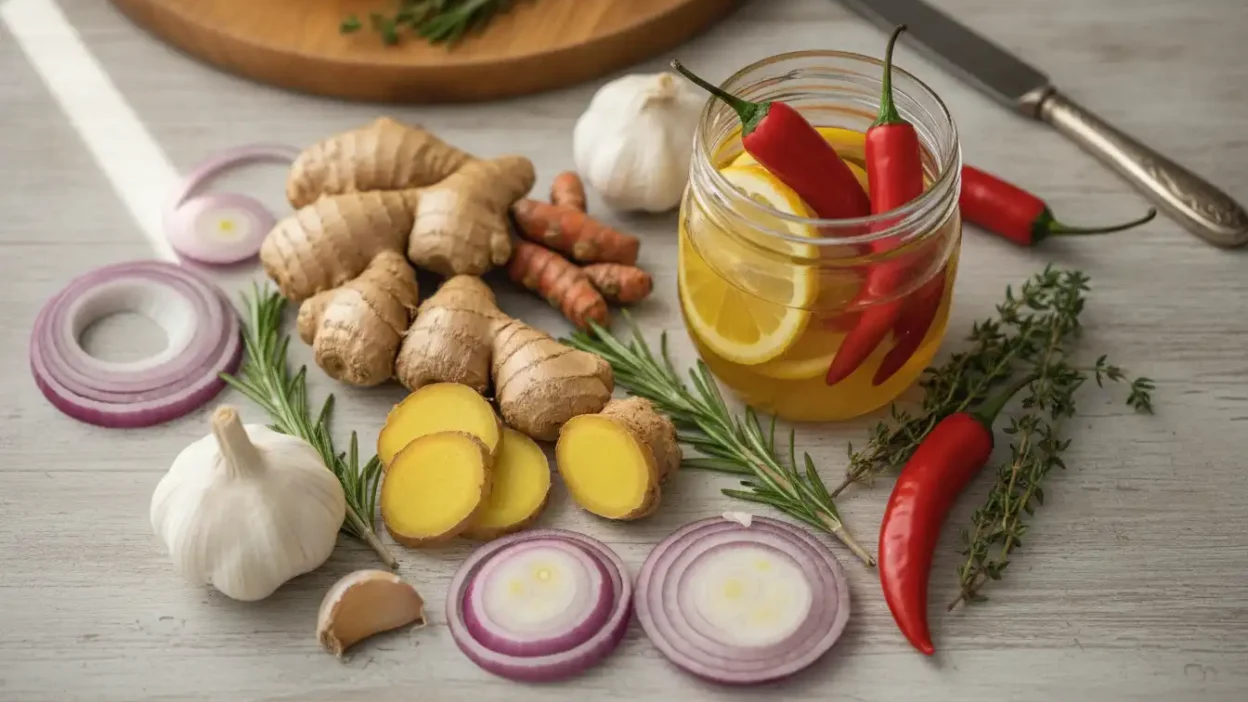
Think a simple jar can become a potent health tonic? This easy fire cider recipe is a spicy, tangy homemade remedy that many people use seasonally to support their immune system, encourage circulation, and aid digestion. It’s a lively blend of roots, peppers, herbs, and raw apple cider vinegar that’s easy to make at home.
The version many modern herbalists use was popularized (not invented) by herbalist Rosemary Gladstar, and it draws on long-standing folk traditions. In this guide you’ll learn the history, the core ingredients, and a practical step-by-step recipe so you can make your own homemade fire cider before cold and flu season hits.
Quick preview: you’ll get a sample recipe, safety and dosing notes, and tips for using your fire cider try a spoonful each morning, dilute it in water or add a splash to salad dressings and marinades. If you’re on medication or pregnant, check with your healthcare provider before regular use.
What Is Fire Cider and Why Should You Make Your Own?
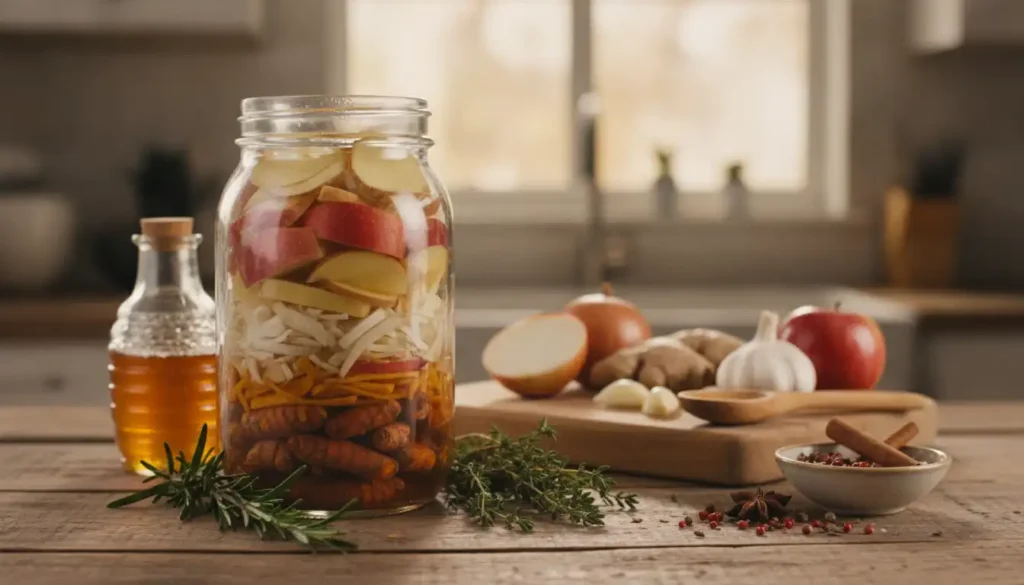
Fire cider is a pungent, spiced infusion of vinegar, herbs, roots, and hot peppers that’s been used in folk medicine for generations. More than a condiment, it’s a traditional tonic people make at home to support seasonal wellness—think of it as a DIY herbal approach combining the acidity of vinegar with warming, aromatic ingredients.
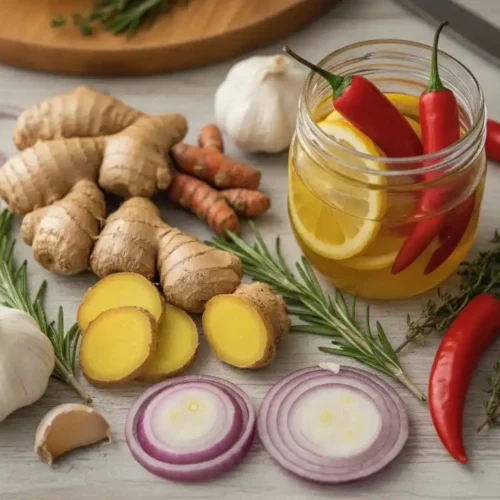
Easy Fire Cider Recipe
Equipment
- Glass jar, cutting board, knife, grater, measuring cups, fine mesh strainer, cheesecloth, glass bottles
Ingredients
- 1 cup fresh grated ginger
- 1 cup fresh grated horseradish
- 3 garlic cloves crushed
- 1 small onion chopped
- 1 jalapeño or 2–3 hot peppers sliced
- 1 medium apple chopped
- 2 –3 lemon slices
- 2 –3 cups raw apple cider vinegar
- 2 –4 tablespoons raw honey optional
Instructions
- Wash and prepare all ingredients.
- Place ginger, horseradish, garlic, onion, peppers, apple, and lemon into a clean glass jar.
- Pour apple cider vinegar over the ingredients until fully submerged.
- Seal the jar and shake gently.
- Store in a cool, dark place for 3–6 weeks, shaking daily.
- Strain through cheesecloth or a fine mesh strainer.
- Stir in honey if desired.
- Transfer to clean glass bottles and store.
Notes
- Ensure all ingredients remain submerged during infusion.
- Add honey only after straining.
- Adjust peppers to control heat level.
- Refrigeration extends shelf life.
- Calories: 12
- Carbohydrates: 3 g
- Sugar: 2 g
- Fat: 0 g
- Protein: 0 g
- Sodium: 2 mg
The Origins of This Powerful Traditional Tonic
The modern popularity of fire cider traces to herbal traditions and community kitchen medicine. Herbalist Rosemary Gladstar helped popularize a version of the recipe in recent decades, though versions of vinegar-based pungent tonics have appeared in many cultures. In short: Gladstar popularized it; she did not invent the broader practice of spicing vinegar with roots and herbs.
Understanding the fire cider recipe matriarch medicine tradition
Fire cider sits within a larger matriarchal and folk herbal tradition—recipes passed down through families and local herbalists. Every household’s batch can be different, and regional variations (like some Amish fire cider recipe styles) reflect available produce and local tastes.
Why folk remedies have made a modern comeback
Interest in natural remedies and DIY health has grown as people seek accessible, ingredient-driven solutions. Fire cider fits that trend: it’s simple to make, uses common pantry items, and functions as both a culinary flavor boost and a seasonal remedy.
Navigating the Fire Cider Controversy
Fire cider’s rise brought a legal debate when a company attempted to trademark the name “Fire Cider,” prompting pushback from the herbal community. Public coverage of the case emphasized questions about ownership of traditional knowledge; sources (news reports and court documents) are available for readers who want the details.
What sparked the debate
The trademark attempt highlighted how a community-held folk tradition can clash with commercial interests. Courts and public opinion sided with herbal groups in high-profile coverage, underscoring that many see fire cider as part of shared herbal heritage rather than proprietary property.
Preserving traditional knowledge while respecting boundaries
When you make your own fire cider, you participate in preserving a living herbal tradition. Respect the roots of the recipe, credit local and matriarchal knowledge where appropriate, and feel free to adapt ingredients—that’s how recipes survive and remain useful.
What are the ingredients for fire cider? A Complete Breakdown
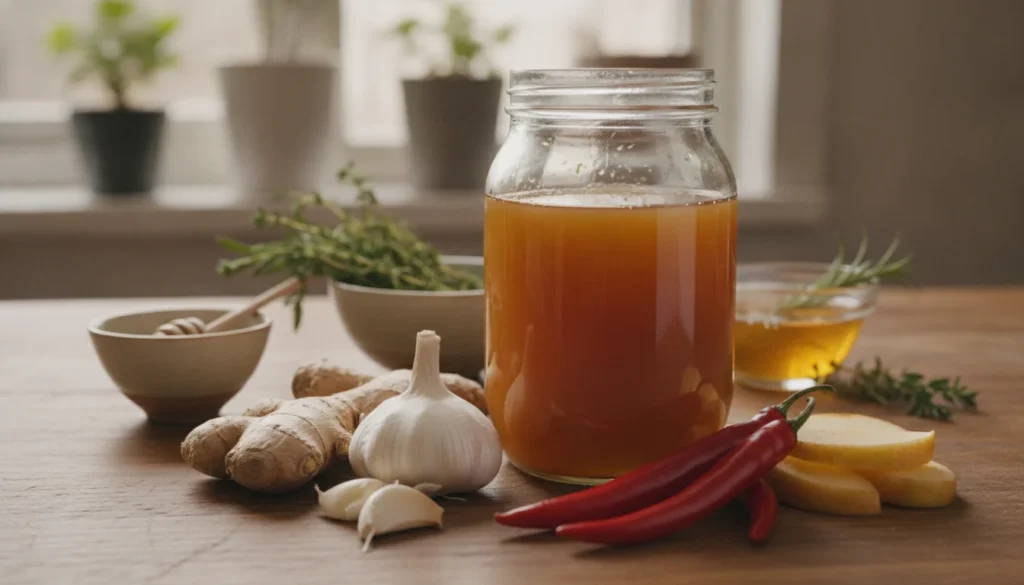
To make a potent, well-balanced homemade fire cider, choosing the right ingredients matters. Below is a concise breakdown of the core components, common optional additions, and safety/substitution notes so you can scale a recipe to fit your jar and taste.
The Foundation: Choosing Quality Apple Cider Vinegar
The base of every fire cider is vinegar — preferably raw, unpasteurized apple cider vinegar with the “mother.” The mother is a cloudy colony of beneficial bacteria and enzymes found in unfiltered vinegar; it’s commonly sought for traditional vinegar tonics. If you can’t find raw apple cider vinegar, use a high-quality cider vinegar, but expect a slightly different flavor and fewer live cultures.
Raw vs. pasteurized varieties
Raw (unpasteurized) apple cider vinegar contains the mother; pasteurized vinegar is clearer but lacks the live culture. Use raw when possible for the traditional approach. Note: do not overstate clinical benefits — describe these as traditional or community uses.
Why the vinegar base matters for your homemade fire cider
The acidic vinegar extracts flavors and soluble compounds from chopped roots and herbs, creating a long-lasting, tangy tonic. It also acts as a preservative, helping your fire cider keep for months when prepared cleanly and stored properly.
Fresh Aromatics and Roots
The aromatic roots and alliums give fire cider its signature bite and botanical benefits. Chop or grate them finely to maximize extraction.
Horseradish: The traditional kick starter
Horseradish provides a sharp, sinus-clearing heat. It’s usually used grated or finely chopped be prepared for strong fumes when cutting fresh root. (Use ventilation and avoid eyes.)
Ginger and turmeric for anti-inflammatory benefits
Fresh ginger root adds warmth and flavor; fresh turmeric adds color and an earthy note. Both are commonly used for their traditional anti-inflammatory properties. Grate or chop them finely for best extraction.
Onion and garlic for immune support
Alliums like garlic and onion add pungency and savory depth. Many folk traditions credit them with immune-supporting qualities; include them chopped or sliced.
Heat and Flavor Enhancers
Heat balances the vinegar and highlights circulation-supporting components.
Cayenne pepper: Getting the spice right
Cayenne (fresh or dried) provides capsaicin-based heat; start with a small amount and increase to taste. Capsaicin is traditionally associated with stimulating circulation and adding a spicy kick.
Citrus fruits and their role in your diy fire cider
Fresh lemons, oranges, or other citrus add bright flavor and vitamin C. Slice or peel (avoid too much pith) and add to the jar for a fruity lift.
Sweeteners and Supportive Herbs
Sweeteners and herbs round out the flavor and offer additional seasonal benefits.
Honey: Nature’s preserver
Raw honey can be added after straining as a natural sweetener and throat soother. Important safety note: raw honey should not be given to infants under 1 year.
Optional additions for enhanced benefits
Customize with fresh herbs (rosemary, thyme), dried elderberries, cranberries, or citrus peels. These additions change flavor and potential benefits — experiment with small batches.
Practical quantities and jar guidance
Typical starter ratios for a 32-ounce glass jar: fill the jar two-thirds with chopped ingredients (roots, garlic, onion, peppers), then cover with 2–3 cups of apple cider vinegar so solids are fully submerged. Leave headspace, seal, and steep. Use stainless steel or food-safe lids; glass jars are recommended to avoid metal corrosion from the acidic vinegar.
Safety, substitutions, and tips
Safety: horseradish and cayenne are strong irritants — wear gloves when handling hot peppers and work in a ventilated area. If you prefer less heat, reduce cayenne or omit horseradish. Substitutions: if raw apple cider vinegar isn’t available, use a good-quality cider vinegar; you can also experiment with white wine vinegar for a different flavor. Preservation tip: keep tools and jars very clean to reduce spoilage risk, and store finished cider in a cool, dark place or refrigerate for longer shelf life.
What does fire cider do for your body? Understanding the Benefits
Fire cider is a traditional, vinegar-based tonic people use for seasonal wellness and everyday support. While many benefits are rooted in folk practice rather than large clinical trials, its blend of pungent roots, alliums, heat, and vinegar makes it a versatile home remedy you can use in several ways.
Supporting Your Immune System Naturally
Many people take fire cider to support immune resilience. Ingredients like garlic and onion are long-used in herbal traditions for their antimicrobial and immune-supporting reputation. Taken as 1 spoonful to 1–2 tablespoons daily, fire cider is commonly used as a preventative tonic; some increase frequency at first signs of illness. If you’re on medication or have a health condition, check with your healthcare provider before regular use.
How the ingredients work synergistically
The acidic vinegar extracts water-soluble compounds from chopped roots and herbs, while heat from cayenne and pungency from garlic or horseradish help create a stimulating, flavorful tonic. Describe these effects as traditional or preliminary rather than proven cures.
Seasonal wellness applications
Use fire cider during cold and flu season as a daily preventative or at the first sniffle as a short-term boost. You can take it straight (a small sip), dilute a tablespoon in a cup of warm water, or mix a spoonful into herbal tea or juice.
Fire Cider for Inflammation Relief
Ingredients like ginger and turmeric are commonly included for their traditional anti-inflammatory properties. Many users report reduced stiffness or comfort in joints when incorporating warming foods and spices into their routines, though individual results vary.
Anti-inflammatory properties explained
Ginger and turmeric contain plant compounds that have been studied for inflammation-related effects; in fire cider they act alongside vinegar and other ingredients to create a warming, anti-inflammatory-style remedy.
Supporting joint and muscle comfort
For occasional joint or muscle stiffness, some people take a spoonful daily or use fire cider as part of a broader self-care plan (hydration, movement, rest). Avoid making strong medical claims—present these as supportive, complementary practices.
Fire Cider for Colds and Respiratory Support
Fire cider’s pungency can help open the sinuses and soothe irritated throats. Horseradish and cayenne are traditional choices for loosening mucus; the vinegar base provides a sharp, clarifying note.
When to start using at first signs
Start at first signs of a cold—sore throat, scratchy nose, congestion—and use 1 teaspoon to 1 tablespoon every few hours as needed, or dilute in warm water. These are folk recommendations; if symptoms are severe or persist, see a medical provider.
How it supports respiratory health
The strong flavors and volatile compounds in horseradish, garlic, and ginger help temporarily relieve congestion for many people. Describe this as symptomatic relief rather than a cure.
Digestive and Metabolic Support
Many users report digestive comfort from a small daily amount of fire cider. The vinegar’s acidity can support digestion by stimulating stomach acid and enzyme activity in some people; note that not all vinegar products contain live probiotics unless labelled as unfiltered with the “mother.”
Gut health and fermentation notes
Call out that “fermentation” and “mother” are different: raw apple cider vinegar can contain the mother (a cloudy culture), but an infusion of fresh ingredients in vinegar is primarily a maceration/infusion rather than an active ferment in the same sense as yogurt or kombucha. Phrase gut-related benefits as traditional or anecdotal unless citing studies.
Metabolic effects
Capsaicin from hot peppers is often associated with a temporary metabolic increase and improved circulation; include these statements as “may help” or “traditionally believed” rather than definitive medical claims.
Practical safety note: the acidity in fire cider can erode tooth enamel—rinse your mouth or dilute the tonic after taking it. Also be cautious if you have acid reflux, stomach ulcers, or are on blood-thinning medications; consult your healthcare provider before regular use.
Step-by-Step: How to Make Fire Cider at Home
Making fire cider at home is simple, rewarding, and easy to scale. Follow the steps below for a reliable cider recipe you can tailor to taste—mild, medium, or extra-hot.
Gathering Your Fire Cider Ingredients and Equipment
Set out ingredients and tools before you begin to keep the process smooth and safe.
Essential tools for preparation
- Glass jars (32- to 64-ounce) with non-reactive lids (stainless-steel or food-safe plastic)
- A fine mesh strainer or cheesecloth
- A food processor or box grater for chopping/grating
- Measuring cups and spoons
Prep work before assembly begins
Work on a clean surface. Open a window when handling fresh horseradish to reduce fumes. Wear gloves when chopping hot peppers to protect your skin, and keep a bowl of water nearby for quick hand rinses.
Preparing the Fresh Ingredients
How you cut ingredients affects extraction. Smaller pieces expose more surface area to the apple cider vinegar and speed flavor transfer.
Proper chopping and grating techniques
Peel and finely grate or chop roots (ginger, horseradish, turmeric) and mince garlic and onion. Use a food processor for speed, or grate on a box grater for texture. Chop citrus into thin slices or peel for zest.
Why size matters for extraction
Smaller pieces = faster, stronger extraction. If you prefer a gentler flavor, leave pieces larger or shorten steep time.
Sample Starter Recipe (for a 32-ounce glass jar)
This example gives you exact quantities to start. Adjust heat and herb choices to make your own versions.
- 1 to 1 1/2 cups chopped onion and garlic (combined)
- 1 cup grated fresh horseradish
- 1 cup grated fresh ginger
- 1/2 cup fresh grated turmeric (or 2 tablespoons dried)
- 2–3 fresh hot peppers (sliced) or 1–2 teaspoons cayenne
- 1 medium apple, chopped (optional, for sweetness and flavor)
- 2–3 thin slices lemon or 1 tablespoon lemon zest
- Enough raw apple cider vinegar to cover solids (about 2 to 3 cups)
After steeping and straining, sweeten to taste with raw honey (add honey after straining so it isn’t left to sit long in the jar).
Assembling Your Easy Fire Cider Recipe Jar
Layer, pour, and seal carefully for best results.
Layering method for optimal results
Fill your jar two-thirds to three-quarters with the prepared ingredients so flavors distribute evenly. Pack gently but leave headspace for the vinegar.
Pouring and covering properly
Pour raw apple cider vinegar (or quality cider vinegar) to fully submerge solids—aim for 2 to 3 cups in a 32-ounce jar. Wipe the rim, then seal with a non-reactive lid. Use glass jars; they’re best for acidic infusions.
The Waiting Game: Daily Care During Infusion
Your jar needs simple daily attention during the steeping period.
Why agitation matters
Shake the jar once a day to redistribute ingredients and reduce the chance of exposed solids drying out or molding. Agitation helps even extraction.
Monitoring your mixture
Steep for at least 3–4 weeks for a balanced flavor; many herbalists steep 6–8 weeks for more potency. Check daily to ensure all solids remain submerged in vinegar. “Looks healthy” means no fuzzy mold, no off smells (sour is expected), and no significant bubbling—this is an infusion/maceration rather than an active ferment.
Straining, Bottling, and Storage
When your steep time is done, strain solids through a fine mesh or cheesecloth into a clean bowl. Squeeze solids to extract every last drop. Bottle the strained liquid into clean glass bottles.
Store in a cool, dark place for months; refrigeration extends shelf life. For longer storage, add honey after straining (to taste) and keep sealed in glass.
Troubleshooting and Tips
If you see fuzzy mold, discard the batch and start over—mold indicates contamination. If the flavor is too hot, dilute with water or use a smaller spoonful (1 teaspoon to 1 tablespoon) in a cup of warm water. To try different recipes, vary the herbs, reduce horseradish, or swap peppers for milder chiles.
Call to action: save this cider recipe as your starter, then experiment—try a mild version for daily use and an extra-hot batch for occasional immune boosts. If you want, I can format this as a printable recipe card.
How long should you ferment fire cider? The Complete Timeline
Understanding steep time helps you balance flavor and potency. For most home batches, plan to infuse your jar for at least 3–4 weeks; this yields a bright, balanced fire cider. Many herbalists prefer 6–8 weeks (or longer) if you want a deeper, more concentrated flavor—longer steeping pulls more flavor and active compounds into the vinegar.
When your chosen steep time is complete, strain the mixture through a fine mesh strainer or cheesecloth into clean glass bottles. Squeeze the solids to extract remaining liquid. Store sealed bottles in a cool, dark place; properly prepared fire cider can keep for several months. Refrigeration will extend shelf life—some people keep it up to a year, but shelf life depends on cleanliness, added sweeteners (like honey), and storage conditions, so err on the conservative side.
Recommended dosing: for everyday use, take 1–2 tablespoons (or a single spoonful) per day. If you’re using fire cider at the first sign of illness, some people take a tablespoon every few hours or small 1-ounce shots—these are traditional practice, not medical prescriptions. To dilute, mix 1 teaspoon to 1 tablespoon into a cup of warm water or juice.
Fire cider is versatile beyond shots: use it in salad dressings (try 1 tablespoon cider + 3 tablespoons olive oil + salt/pepper), add a splash to marinades, stir a spoonful into soups or stews, or mix into mocktails for a tangy kick. Don’t discard the solids—dry them to make a spicy seasoning, blend into a paste for marinades, or compost them.
Storage and spoilage notes: always store bottles in a cool place away from sunlight. If you notice off smells, fuzzy mold, cloudiness that looks unusual, or fermentation bubbles, discard the batch. When in doubt, err on the side of safety.
Conclusion: Make Your Own Fire Cider — Simple, Customizable, and Time-Tested
Fire cider is a homemade vinegar-based tonic created from ingredients such as ginger, garlic, horseradish, peppers, and fruit. Similar to traditions found in a soup village, this flavorful preparation has remained popular among home cooks looking for a simple natural wellness drink.
Many people enjoy fire cider as part of their daily routine for general wellness and digestive support. Its bold taste also makes it a useful ingredient in dressings, sauces, and marinades, especially for hearty dishes made with beef cheek meat or meals inspired by sharks fish and chicken favorites.
To make a basic batch, combine grated ginger, horseradish, garlic, jalapeño, and chopped apple in a glass jar. Cover everything with raw vinegar and let the mixture infuse for several weeks before straining. Honey can be added for a sweeter flavor.
Enjoy a small amount on its own, mix it into water, or use it to enhance your favorite recipes. Keep the finished tonic in a cool, dark location and adjust the ingredients to match your taste preferences.
FAQ
What is fire cider?
Fire cider is a homemade herbal tonic: a pungent infusion of vinegar, roots, herbs, and hot peppers traditionally used as a seasonal wellness boost. It’s more of a folk remedy and culinary tonic than a medical treatment.
How do I make fire cider at home?
Gather chopped roots and aromatics (garlic, ginger, horseradish, onion), hot peppers or cayenne, optional citrus and herbs, then pack them into a clean glass jar and cover with raw apple cider vinegar. Steep for at least 3–4 weeks, shaking daily, then strain. See the step-by-step section above for a sample cider recipe.
What are the health benefits of fire cider?
Traditional uses include immune support, respiratory relief, reduced stiffness, and digestive comfort. These come from the combined effects of ingredients (garlic, ginger, turmeric, horseradish, cayenne) and the vinegar base—describe them as folk or anecdotal benefits rather than proven medical cures.
How long should I let fire cider steep?
Steep for a minimum of 3–4 weeks for balanced flavor; many herbalists prefer 6–8 weeks for extra potency. Shake daily and ensure solids stay submerged in vinegar while steeping.
Can I customize my fire cider recipe?
Yes—adjust heat (less cayenne, fewer hot peppers), swap herbs seasonally, add citrus or dried elderberries, or change ratios to suit taste. Experiment with small jars before scaling up.
How do I store my finished fire cider?
After straining, bottle in clean glass bottles with tight lids and keep in a cool, dark place. Properly prepared fire cider will keep for several months; refrigeration can extend shelf life (some keep it up to a year, depending on cleanliness and additions like honey).
How often should I take fire cider?
For daily support, many people take 1–2 tablespoons or a single spoonful each day. At first signs of illness, traditional practice is to take a tablespoon every few hours or small 1-ounce doses. Rinse your mouth or dilute in water after taking to protect tooth enamel.
What should I do with the leftover solids after straining?
Don’t waste them: dehydrate and grind into a spicy seasoning, blend into a paste for marinades, fold into savory dishes, or compost if you prefer. You can also taste and adjust before discarding.
Who should avoid fire cider?
Avoid giving raw honey–sweetened cider to infants. People who are pregnant, breastfeeding, have acid reflux, gastric ulcers, or take blood-thinning medications should consult a healthcare professional before regular use. If you have allergies to any ingredient, skip it or substitute safely.
Where can I find more guidance or recipes?
See the ingredients and step-by-step sections above for sample measurements and variations. If you want printable guidance, I can format the sample cider recipe and tips into a downloadable card.