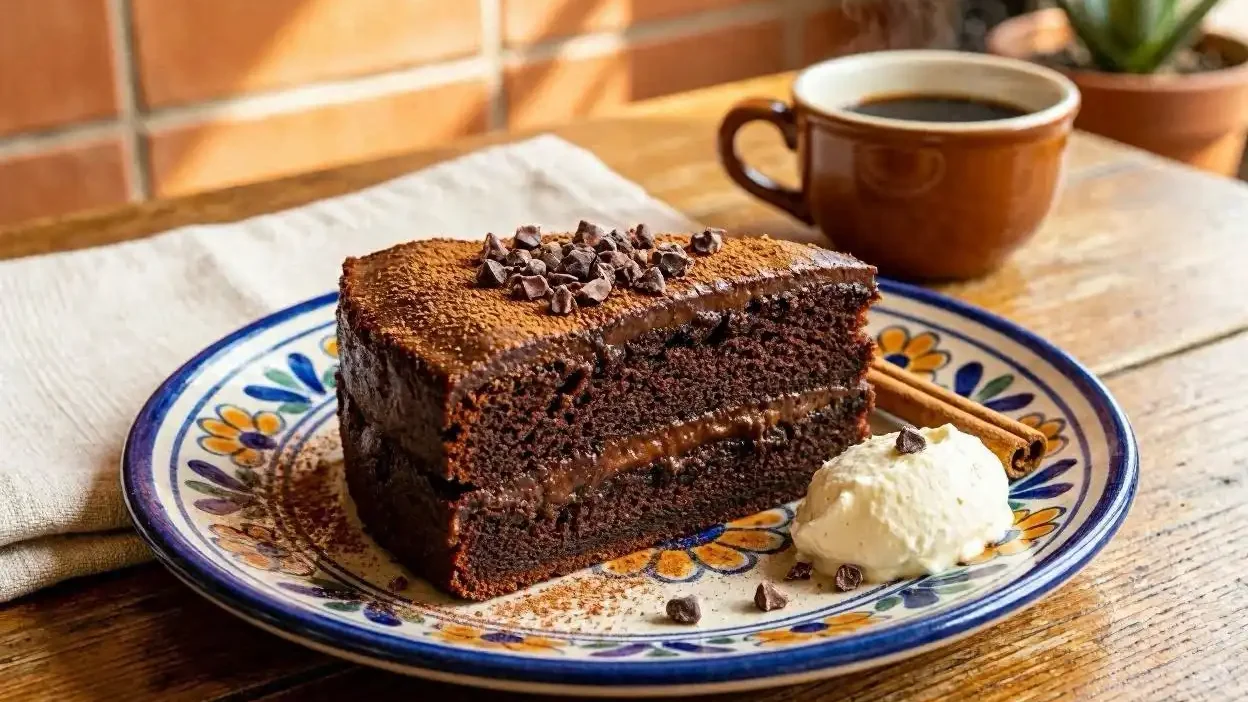
Welcome to a celebration of mexican chocolate cake: recipes, tips, and finishes to help you bake a show-stopping chocolate cake for any party.
Imagine walking into a room filled with laughter and the sweet aroma of a freshly baked dessert. A rich, decadent cake layered with warm cinnamon and a subtle hint of cayenne draws everyone to the table. Each bite balances spice and chocolate for a memorable flavor.
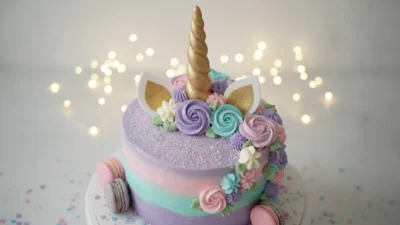
Whether you make the cake from scratch using a single-bowl method or speed things up with a boxed mix, this recipe collection shows you how to get moist batter, balanced sweetness, and deep chocolate flavor every time. Use these ideas as a base for themed creations unicorn cake or mermaid cake designs look stunning against the cake’s dark, glossy frosting.
Ready to start? Jump to the recipes or follow the tips below to save time, reduce dishes, and perfect your next celebration dessert.
The Best Mexican Chocolate Cake
Equipment
- 9-inch round cake pan, Large mixing bowl, Whisk, Rubber spatula, Cooling rack, Toothpick
Ingredients
- 1¾ cups all-purpose flour
- ¾ cup unsweetened cocoa powder
- 1½ cups granulated sugar
- 1½ teaspoons baking soda
- 1 teaspoon salt
- 1 –2 teaspoons ground cinnamon
- Wet Ingredients
- 2 large eggs room temperature
- 1 cup water or milk
- ½ cup vegetable oil or ½ cup melted butter
- 1 teaspoon pure vanilla extract
- Optional Ingredients
- ⅛ teaspoon cayenne pepper
- ½ cup cacao nibs or chopped dark chocolate
- 1 teaspoon espresso powder
Instructions
- Preheat the oven to 350°F (175°C).
- Grease a 9-inch round cake pan.
- In a large bowl, whisk together the flour, cocoa powder, sugar, baking soda, salt, and cinnamon.
- Add the eggs, water (or milk), oil, and vanilla extract.
- Stir until just combined. Do not overmix.
- Fold in the cacao nibs or chopped chocolate, if using.
- Pour the batter into the prepared pan.
- Bake for 28–35 minutes, or until a toothpick inserted into the center comes out with a few moist crumbs.
- Cool in the pan for about 10 minutes before transferring to a wire rack.
- Allow the cake to cool completely before frosting with ganache or cinnamon buttercream.
Notes
- Use Abuelita or Ibarra Mexican chocolate for a more authentic flavor.
- Add a pinch of cayenne for subtle warmth.
- Do not overmix the batter to keep the cake moist.
- Check for doneness starting at 28 minutes.
- Let the cake cool completely before decorating.
Storage
- Store covered at room temperature for 3 days.
- Refrigerate for up to 5 days.
- Freeze for up to 3 months.
Nutrition (Per Serving – Approximate)
- Calories: 380 kcal
- Carbohydrates: 52 g
- Protein: 6 g
- Fat: 18 g
- Saturated Fat: 3 g
- Cholesterol: 40 mg
- Sodium: 340 mg
- Fiber: 4 g
- Sugar: 32 g
What Makes a Mexican Chocolate Cake Unique
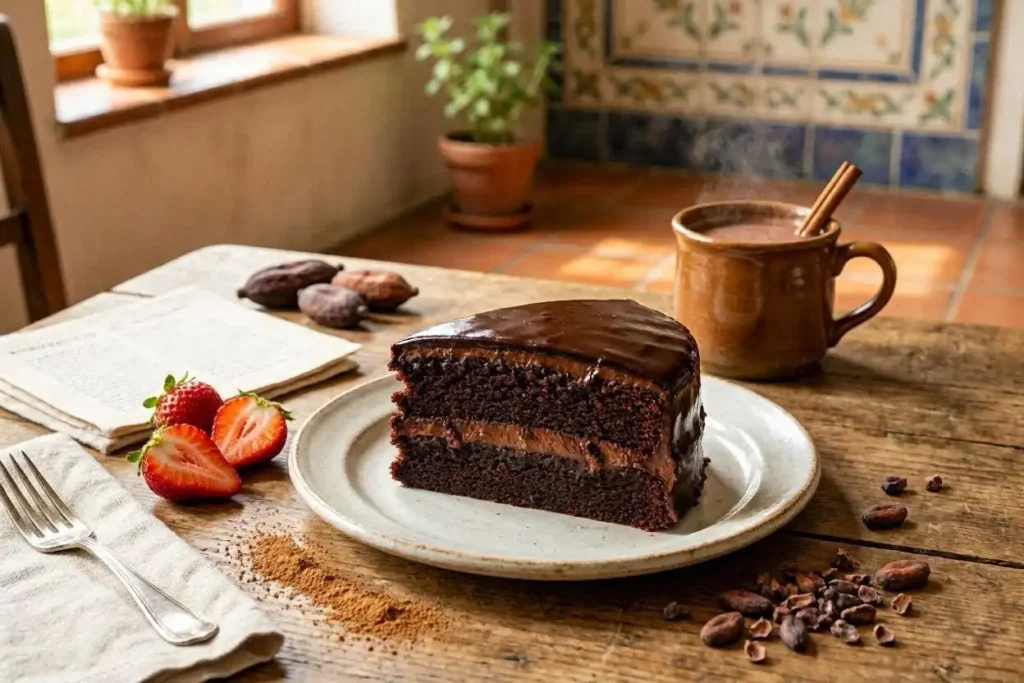
Mexican chocolate cake blends deep cultural history with a distinct flavor profile: warm cinnamon, rich cacao, and often a hint of heat from cayenne. In short, it’s chocolate and spice working together to create a uniquely comforting dessert.
The History of Authentic Mexican Chocolate
Chocolate has been part of Mesoamerican life for millennia archaeological evidence traces cacao use back thousands of years. Ancient civilizations prized cacao for rituals and trade; they toasted and ground beans into spiced, drinkable chocolate long before European chocolate confections existed.
Origins in Mesoamerican Culture
Early cacao preparations combined ground cacao with ingredients like chili, vanilla, and local spices. These beverages were ceremonial and practical—used in offerings, medicine, and as a form of currency in some regions. Over time those bitter, spiced flavors influenced recipes that would later inspire baked goods.
Evolution of Traditional Mexican Chocolate Cake
As chocolate moved from beverage to baking ingredient, cooks adapted those classic spices into cakes. Modern mexican chocolate cake takes cues from that tradition pairing chocolate with cinnamon, sometimes a touch of anise or cayenne, to echo the layered flavors of historic cacao preparations.
Key Flavor Elements That Define Mexican Chocolate
The hallmark flavors in Mexican chocolate emphasize warmth and complexity rather than pure sweetness. Understanding these elements helps you craft authentic-tasting cakes and recipes.
The Role of Cinnamon in Mexican Chocolate Cake
Cinnamon provides aromatic warmth and rounded sweetness that lifts the chocolate. Many traditional Mexican chocolate tablets and mixes already include cinnamon, so the spice is woven into the cake’s foundation.
Why Cacao Nibs Create Authentic Depth
Cacao nibs deliver an intense, slightly bitter chocolate note and textural contrast. Stirred into batter or used as a garnish, nibs recall the raw, earthy character of pure cacao and balance the cake’s richness.
Key flavors to highlight when you bake: cinnamon, vanilla, cacao (or cocoa powder), and a pinch of cayenne for gentle heat. These elements make a Mexican cinnamon chocolate cake both festive and rooted in culinary history perfect for recipes that celebrate flavor as much as occasion.
Mexican Chocolate Cake from a Box: Quick and Delicious
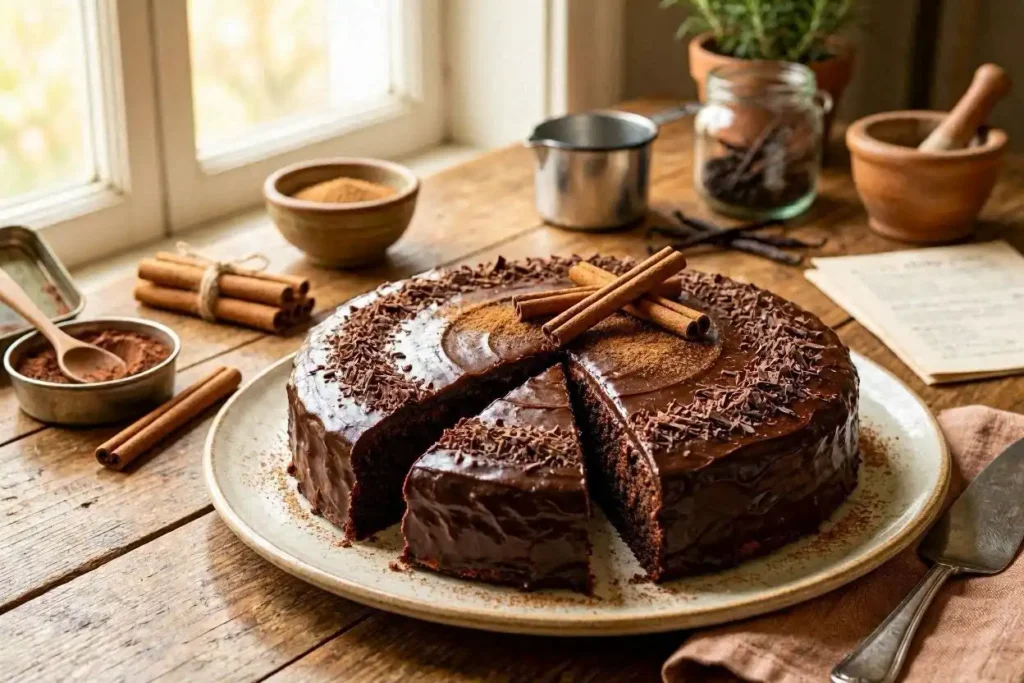
If time is tight, you can still make a memorable mexican chocolate cake using a boxed mix and with a few simple swaps and additions you’ll get richer chocolate flavor and authentic spice notes without extra fuss.
Selecting the Right Cake Mix Base
Choose a mix labeled “dark chocolate” or one that lists real cocoa powder near the top of the ingredient list for deeper flavor. Reliable options include Duncan Hines, Betty Crocker, and Ghirardelli; each offers moist, chocolate-forward bases that respond well to upgrades.
Best Box Mix Brands for Mexican Chocolate Cake
Look for mixes that are low on fillers and include cocoa powder (not just chocolate liquor). If the mix is sweeter than you like, reduce the added sugar slightly when you enrich the batter.
Adjusting Liquid Ingredients for Richer Texture
Swap the water called for on the box for 1 cup of prepared Mexican hot cocoa (made to package directions) to add spice and moisture. If the box calls for 1 cup water + 1/3 cup oil, replace the water with 1 cup hot cocoa and keep the oil measurement the same taste testers often report a noticeably richer batter prepared this way.
Quick Method — Step-by-Step (Box Mix Upgrade)
Quick timeline and settings to get a reliable result:
- Preheat oven to the temperature on the box (usually 350°F). Grease a 9-inch round pan or a bundt pan.
- In a large bowl, combine the cake mix with eggs and oil as directed. Replace the water with 1 cup prepared Mexican hot cocoa; add 1 tsp vanilla extract and 1 tsp ground cinnamon.
- Optional: stir in 1/2 cup cacao nibs or chopped dark chocolate for texture.
- Bake according to box times—start checking at the lower end (about 25–30 minutes for a 9-inch round). Use a toothpick to test doneness: it should come out with a few moist crumbs, not wet batter.
Yield: one 9-inch round (serves ~8). For a bundt pan, expect an extra 5–10 minutes of baking time—check at 35 minutes.
Elevating Box Cake Mix with Mexican Spices
Small spice additions give boxed cake a homemade profile. Add 1–2 tsp cinnamon and, if you like warm heat, 1/8 tsp cayenne pepper or a pinch of cayenne pepper to the dry mix. Stir spices into the mix before adding liquids for even distribution.
Adding Cinnamon and Vanilla Extract
Vanilla extract (1 tsp) brightens chocolate; cinnamon (1–2 tsp) adds the signature warmth. If the boxed mix already lists vanilla or spices, reduce added amounts to avoid overpowering the batter.
Incorporating Mexican Hot Cocoa Mix
If using a spiced Mexican hot cocoa powder, add 2–3 tablespoons directly to the dry cake mix for an extra flavor boost (reducing any extra sugar by 1–2 tbsp if the mix is very sweet). These tweaks produce a fast yet authentic-tasting Mexican hot chocolate cake with cake mix that’s party-ready.
Essential Ingredients for Homemade Mexican Chocolate Cake
Making a truly memorable homemade Mexican chocolate cake starts with ingredient choices that build depth: authentic chocolate, warm spices, quality vanilla, and the right dry goods. These elements turn a simple cake into the star of any celebration.
Choosing Authentic Mexican Chocolate Brands
When possible, use chocolate made for Mexican hot chocolate—its texture and spice blend contribute to the cake’s signature profile. Two widely available options that bakers trust are Abuelita and Ibarra; both bring cinnamon and sugar into the chocolate itself, which layers extra flavor into your batter.
Abuelita Mexican Chocolate: A Classic Choice
Abuelita comes in tablet form and melts into a sweet, spiced chocolate ideal for folding into batter or making the liquid chocolate base. If you use Abuelita, finely chop or grate the tablets so they melt evenly and integrate smoothly.
Other Trusted Mexican Chocolate Options
Ibarra is another traditional tablet-style chocolate with a slightly grainy texture and warm cinnamon notes that echo classic recipes. If you can’t find these brands, substitute a high-quality dark chocolate (60–70% cacao) plus 1–2 tsp ground cinnamon to mimic the flavor.
Supporting Ingredients That Enhance Flavor
Chocolate is central, but these supporting ingredients make the cake balanced and complex.
Fresh vs Ground Cinnamon: What Works Best
Cinnamon is essential. If you can, use Ceylon or true cinnamon for a brighter, more delicate flavor; ground cassia cinnamon (the common supermarket variety) still works and gives familiar warmth. Generally, 1–2 teaspoons of cinnamon in the batter complements the chocolate without overwhelming it.
The Importance of Quality Vanilla
Vanilla extract enhances chocolate’s aroma and rounds out spices. Use a high-quality vanilla (pure extract or Mexican vanilla if available) and add 1 teaspoon to the batter for a noticeable lift. For best results, keep ingredients like butter and eggs at room temperature so they mix evenly into the batter.
Mexican Chocolate Cake Recipes: From Classic to Creative
Explore a range of mexican chocolate cake recipes, from a classic spiced loaf to quick boxed-mix upgrades and inventive variations. Each recipe focuses on balancing deep chocolate, warm spice, and the moisture that makes this chocolate cake truly memorable.
Traditional Mexican Spiced Chocolate Cake
This recipe honors Mexican chocolate’s heritage: start by melting butter, stir in cocoa powder and a pinch of espresso powder to deepen the chocolate flavor, then combine with the wet ingredients for a tender, moist crumb. Proper fat ratios and careful mixing keep the cake fresh for a few days when stored in an airtight container at room temperature.
Step-by-Step Mixing Instructions
For even spice distribution, whisk all dry ingredients cocoa, flour, sugar, baking soda, salt, cinnamon before adding wet ingredients. Fold gently until the batter is smooth and uniform to avoid overworking the gluten, which can dry the cake.
Achieving the Perfect Moisture Level
Moisture depends on fat and liquid balance: use the specified cups of oil or butter and a measured amount of water or milk. If a recipe calls for buttermilk, it helps the cake stay tender; otherwise, plain water plus oil can produce a surprisingly moist result. Monitor bake time and remove the cake once a toothpick shows a few moist crumbs.
Mexican Hot Chocolate Cake with Cake Mix
For a fast option, boost a boxed mix with hot cocoa elements and spices. Adding prepared Mexican hot cocoa or a few tablespoons of cocoa powder and spice transforms the base into an authentic-flavored dessert without a lot of extra time.
Combining Cake Mix with Hot Chocolate Elements
To upgrade a box mix, stir 2–3 tablespoons of spiced Mexican hot cocoa powder into the dry mix and replace the water with 1 cup of prepared hot cocoa. Add 1–2 teaspoons cinnamon and 1 teaspoon vanilla extract, then proceed per box instructions these small changes create a richer, more aromatic batter.
Balancing Sweetness and Spice
Balance sweetness by tasting the batter adjustments (when safe) and reducing added sugar slightly if your mix or hot cocoa is very sweet. For subtle heat, add 1/8–1/4 teaspoon cayenne pepper or 1/8 teaspoon cayenne pepper—just enough to accent the chocolate without making it hot. These recipes work well for everything from a 9-inch round pan to a bundt; adjust bake minutes accordingly and test doneness with a toothpick.
These recipes provide versatile dessert bases: try a traditional mexican spicy chocolate cake for a bold option or use the mix method for quick celebrations. With the right balance of cocoa, cinnamon, and a touch of cayenne, your cake will shine whether it becomes an elegant layered cake, a bundt, or a themed mermaid cake.
Abuelita Mexican Chocolate Cake Recipe: A Traditional Approach
Baking an authentic Mexican chocolate cake with Abuelita tablets connects you to a long-standing home-baking tradition. Below is a focused guide for preparing the Abuelita chocolate base, integrating it into batter, and seasoning the cake for a balanced, warmly spiced flavor.
Preparing the Abuelita Chocolate Base
Abuelita chocolate tablets combine cacao, sugar, and cinnamon, so they add both sweetness and spice when melted into batter. Finely chop or grate the tablets before melting so they incorporate smoothly into your cake batter and avoid grainy pockets of chocolate.
Melting Techniques for Smooth Integration
Two safe, reliable methods work well:
- Double Boiler Method: Place chopped Abuelita in a heatproof bowl set over gently simmering water. Stir frequently until melted and glossy this low, even heat helps preserve flavor and prevents scorching.
- Microwave Method: Microwave the chopped tablets in a microwave-safe bowl in 20–30 second bursts on medium power, stirring between bursts. Stop when most pieces are melted and whisk until smooth to avoid overheating.
Let melted chocolate cool 2–3 minutes so it won’t cook eggs or melt butter in your batter. If the chocolate thickens or seizes, stir in a teaspoon of warm liquid (cream, milk, or hot water) a little at a time until smooth.
Incorporating Chocolate into Batter
Fold the cooled melted Abuelita into the mixed wet ingredients slowly and evenly—add a few tablespoons at a time, whisking gently to create a uniform batter. If your recipe calls for eggs and butter at room temperature, they will emulsify with the chocolate more smoothly and produce a consistent crumb.
Adding Traditional Spices and Flavorings
The characteristic warmth of an authentic cake comes from additional spices and careful balance.
Cinnamon and Anise: The Classic Combination
Cinnamon is essential—use 1–2 teaspoons in most cake recipes to enhance the chocolate. Anise or anise extract can add a licorice-like note traditional in some recipes; start with 1/8 teaspoon and adjust. Anise is potent, so add sparingly, especially for kids.
Balancing Authentic Flavors
To keep flavors balanced: taste-test by scent and small batter adjustments (safe to do with tiny amounts). Consider adding 1 tsp vanilla extract to round the flavors and a tiny pinch (1/8 tsp) of cayenne pepper if you want a subtle heat that lifts the chocolate without making the cake spicy.
When you master the Abuelita Mexican chocolate cake recipe, you’ll have a rich, warmly spiced cake ideal for celebrations. For baking specifics—oven temperature, bake minutes, pan size (9-inch round or bundt pan), and cooling times—refer to your chosen cake recipe and test with a toothpick for doneness: it should come out with a few moist crumbs but no raw batter.
Mexican Chocolate Cake Vegan: Dairy-Free Celebrations
A vegan mexican chocolate cake proves you don’t need dairy or eggs to get deep chocolate flavor and warm spice perfect for birthdays, themed parties, or any celebration where guests need plant-based options.
Plant-Based Substitutions That Work
Use these tested swaps to replace eggs and dairy while keeping the cake moist and tender:
- Flax eggs: Mix 1 tablespoon ground flaxseed with 3 tablespoons water per egg, let thicken 5–10 minutes; use for structure and moisture.
- Applesauce: Replace one egg with 1/4 cup unsweetened applesauce to add moisture and a touch of sweetness good for denser, fudgier cakes.
- Commercial egg replacers: Products like Ener-G or other vegan egg replacers work well for lighter crumb and reliable rise.
Egg Replacers for Moist Texture
For the best texture, combine methods when needed (e.g., one flax egg + 1/4 cup applesauce) and be sure to measure precisely. If the crumb turns out too dense, increase leavening slightly (an extra 1/4 teaspoon baking soda) or reduce heavy liquids.
Dairy-Free Chocolate Options
Choose high-quality dairy-free dark chocolate or vegan chocolate chips for the closest match to traditional mexican chocolate. If you prefer prepared product options, some brands sell vegan hot chocolate mixes check labels for dairy-free certification. If a branded vegan mexican chocolate product isn’t available, use 60–70% cacao dairy-free chocolate plus 1–2 teaspoons cinnamon to mimic the flavor profile.
Creating Richness Without Animal Products
Plant-based fats and milks add the richness that butter and cream usually provide:
- Coconut milk: Full-fat coconut milk (1 cup) delivers creamy, fudgy results and pairs beautifully with cinnamon and cocoa.
- Neutral oils: Use light-tasting oils (vegetable or sunflower) or melted coconut oil in place of butter; 3/4 to 1 cup oil works well depending on the recipe.
Using Coconut Milk and Oil
For most vegan recipes, replace dairy milk with an equal amount of full-fat coconut milk or another plant milk. Replace butter with 3/4 the volume of oil (e.g., 1 cup butter = 3/4 cup oil) for a moist crumb. If coconut flavor is unwanted, choose refined coconut oil or neutral vegetable oil instead.
Maintaining Authentic Mexican Chocolate Flavor
Keep the spice profile authentic by adding 1–2 teaspoons ground cinnamon and, if desired, a tiny pinch (1/8 teaspoon) of cayenne pepper to lift the chocolate. Add 1 teaspoon pure vanilla extract to round flavors. Let batter rest briefly while the oven preheats this can help hydrate the flour for a more even texture.
With these tips and substitutions, your mexican chocolate cake vegan will be rich, warmly spiced, and crowd-pleasing great as a base for themed designs like unicorn or mermaid cakes. For best results, follow a tested vegan recipe card with exact oven minutes and temperatures and check doneness with a toothpick.
Mexican Chocolate Cake with Ganache: Decadent Finishes
Turn a simple Mexican chocolate cake into a showstopper with a glossy ganache finish. A well-made ganache enhances the cake’s chocolate and spice notes while giving you a versatile topping for glazes, drips, or a pipeable frosting.
Creating the Perfect Ganache Topping
Ganache is simply chocolate and cream but proportions and technique matter. For a pourable glaze use a 1:1 ratio (equal parts chocolate to cream by weight). For a thicker frosting or piping consistency, use a 2:1 ratio (two parts chocolate to one part cream by weight).
Choosing Ganache Ingredients
Use high-quality dark chocolate (60–70% cacao) so the ganache complements the cinnamon and other Mexican spices. For a 9-inch cake glaze, a good starting point is 8 oz (about 225 g) chocolate and 8 fl oz (1 cup) heavy cream for a 1:1 glaze, or 12 oz (about 340 g) chocolate and 6 fl oz (3/4 cup) cream for a thicker 2:1 frosting.
Achieving the Right Consistency
Heat the cream until it just simmers (do not boil), pour it over chopped chocolate, let sit 1–2 minutes, then stir gently until fully smooth. For a glaze, use while warm and pourable; for frosting, cool the ganache at room temperature or refrigerate briefly until spreadable—stir to check consistency every few minutes.
Applying Ganache to Your Mexican Chocolate Cake
Once you have the desired consistency, apply ganache carefully for the best visual and textural results.
Drip Techniques for Visual Appeal
For controlled drips, chill the frosted cake so the ganache sets on contact. Warm the ganache until pourable, then use a spoon or squeeze bottle to add small amounts around the edge so short, even drips form. Practice temperature control too hot and the ganache runs off; too cool and it won’t drip.
Decorating Ideas for Special Occasions
Ganache provides a dramatic backdrop for themed details: pastel buttercream accents and edible glitter for a unicorn cake, edible pearls and ombré buttercream scales for a mermaid cake, or fondant bubbles for a bath day cake. For a complementary contrast, try a light cinnamon frosting (butter, powdered sugar, and 1–2 teaspoons cinnamon) piped as rosettes or a mane that sits atop the glossy ganache.
Quick troubleshooting: if ganache seizes, gently warm it over the double boiler and whisk in a teaspoon of warm cream or neutral oil at a time until smooth. To reheat set it in short bursts—10–15 seconds in a microwave—stirring between bursts. When ready to finish, let the cake cool completely before serving for the cleanest slices.
Mexican Chocolate Cake Recipe Easy: Beginner-Friendly Methods
Making a delicious Mexican chocolate cake is easier than you think. With simple one-bowl techniques, clear timing, and a few troubleshooting tips, even first-time bakers can produce a moist, flavorful cake that highlights chocolate and warm spice.
One-Bowl Techniques for Simple Preparation
One-bowl methods cut down on dishes and make baking approachable. They’re ideal when you want a great result without a mixer or a lot of equipment.
- Fewer dishes: Use one large mixing bowl, a whisk or spatula, and a pan—no need for a stand mixer.
- Easy mixing: Combine dry ingredients first, then add wet ingredients and fold until just combined to avoid overworking the batter.
- Consistent results: Even mixing helps the cake rise evenly and stay moist.
Minimizing Equipment Needs
All you really need is a large bowl, a whisk, a spatula, and a 9-inch round or bundt pan. If a recipe calls for softened butter, bring it to room temperature so it blends smoothly; if you prefer, use oil for an even simpler one-bowl oil-based cake.
Streamlined Mixing Processes
Follow these mixing tips for even flavor and texture:
- Preheat oven to the recipe temperature — commonly 350°F (preheat oven 10–15 minutes before baking).
- Whisk dry ingredients (flour, cocoa powder, sugar, baking soda, salt, cinnamon) to remove lumps.
- Add wet ingredients (eggs, oil or melted butter, vanilla, water or milk) and stir until the batter is just combined—small streaks of flour are okay.
- If using chocolate pieces or cacao nibs, fold them in gently at the end so they distribute without sinking.
Troubleshooting Common Baking Issues
Even simple recipes can run into problems. Here are quick fixes and checks to keep your bake on track.
Preventing Dry Cake Texture
- Measure ingredients accurately use a scale when possible or spoon and level flour.
- Watch bake time: start checking a standard 9-inch round at about 25–30 minutes. For a bundt pan, add 5–10 minutes.
- Check doneness with a toothpick: it should come out with a few moist crumbs, not raw batter.
Ensuring Even Chocolate Distribution
- Chop Mexican chocolate tablets or bars into small pieces so they melt or suspend evenly in the batter.
- Fold chocolate or nibs into the batter gently but thoroughly to avoid clumps.
- If using melted chocolate or ganache in the batter, ensure it’s cooled slightly so it doesn’t cook eggs or separate fats.
Quick Fixes for Common Problems
- Sinking center: Avoid overmixing, and make sure your oven temperature is accurate an oven thermometer helps. Reduce liquid slightly if batter seems too thin.
- Dense crumb: Check your baking soda/powder freshness; add an extra 1/4 tsp baking soda if needed for recipes with acidic ingredients.
- Dry cake: Brush layers with a simple syrup (1/4 cup sugar dissolved in 1/4 cup water, warmed) to add moisture.
Beginner recipe card (basic one-bowl chocolate cake) example:
- Prep: 15 minutes. Bake: 28–35 minutes. Yield: one 9-inch round (8–10 servings).
- Dry: 1 3/4 cups flour, 3/4 cup cocoa powder, 1 1/2 cups sugar, 1 1/2 tsp baking soda, 1 tsp salt, 1–2 tsp cinnamon.
- Wet: 2 eggs (room temperature), 1 cup water or milk, 1/2 cup oil (or 1/2 cup melted butter), 1 tsp vanilla.
- Method: Preheat oven to 350°F. Whisk dry ingredients in a large bowl. Add wet ingredients and stir until just combined. Pour into greased pan and bake until a toothpick comes out with moist crumbs.
With these one-bowl methods, oven checks, and small troubleshooting steps, you can reliably bake a moist, well-flavored chocolate cake that serves as a perfect base for ganache, cinnamon frosting, or themed decorations like a Mexican flan chocolate cake or whimsical mermaid cake. For variations—Abuelita, vegan, or box-mix upgrades—see the related sections for precise ingredient swaps and bake times.
Celebration Themes: Unicorn Cake and Mermaid Cake Ideas
Turn your mexican chocolate cake into a themed showpiece—unicorn, mermaid, or playful bath-day designs are all excellent options because the cake’s deep brown color provides dramatic contrast with colorful frostings and decorations.
Designing a Mexican Chocolate Unicorn Cake
A unicorn cake built on a Mexican cinnamon chocolate base looks stunning: the dark cake layers pop beneath pastel buttercream. For the mane, tint a cinnamon-scented buttercream in soft pastels (pink, lavender, mint) and pipe swirls. Finish with a golden horn, ears, and edible glitter for sparkle.
Color Schemes and Decorating Techniques
Materials checklist: 2–3 cups tinted buttercream (total), fondant for horn/ears, edible gold dust, piping tips (star and round). Technique tips: crumb-coat the cake and chill until firm, then pipe the mane in layered swirls; use small spatula strokes to create texture and add edible glitter sparingly for a magical finish.
Incorporating Mexican Chocolate Flavor into Themed Designs
The Mexican cinnamon chocolate cake pairs beautifully with sweet buttercream—add 1 teaspoon cinnamon to your buttercream recipe for a subtle tie-back to the cake. For kid-friendly versions, omit cayenne or any heat altogether.
Creating a Bath Day Cake Celebration
A bath day cake is whimsical and simple to make: shape the cake into a tub silhouette or use a round cake and top it with white-tinted frosting “bubbles” and fondant bath toys like a tiny rubber ducky.
Fun Shapes and Bath-Themed Decorations
Materials checklist: fondant (small amounts for toys), white and pale-blue buttercream (1–2 cups), round piping tips, and candy pearls. Decorating steps: pipe dollops of white buttercream for bubbles, place fondant toys on top, and add a light dusting of powdered sugar for a playful finish.
Making It Kid-Friendly and Delicious
Adjust the spice level for children by reducing cinnamon in the cake to 1 teaspoon and skipping cayenne. Keep frosting sweet and mild—a cinnamon buttercream with 1/2–1 teaspoon cinnamon per 2 cups of buttercream is a gentle complement to the chocolate.
Other Creative Celebration Variations
For a mermaid cake, use ombré ocean tones on piped scales, edible pearls, and a mermaid tail topper. Materials checklist: 2–3 cups tinted buttercream in gradient shades, a tail template for fondant, and edible pearls. Apply scales by piping small overlapping shells with a petal or round tip for a consistent look.
Mermaid Cake Inspiration with Mexican Chocolate
The deep color of Mexican chocolate provides a striking backdrop for oceanic colors; a thin ganache drip (see ganache section) can add extra sheen like wet waves. For a simpler option, stack three 9-inch rounds, crumb-coat, and decorate the top tier with mermaid elements.
Customizing for Birthdays and Special Events
Adjust sizes (single 9-inch round, layered 8-inch tiers, or a bundt) and flavors (vegan substitutes, Abuelita-infused batter) to match the event. Provide a few simple flavor notes for guests—“contains cinnamon; mild heat optional”—so everyone can enjoy the dessert safely and confidently.
Conclusion
Exploring mexican chocolate cake is a delicious journey through rich flavors and cultural traditions. The combination of authentic mexican chocolate, warming cinnamon, and a whisper of cayenne pepper creates a chocolate cake that feels both familiar and exciting perfect for birthdays, Día de los Muertos, Cinco de Mayo, or any festive gathering.
Whether you follow a classic recipe, upgrade a box mix, use Abuelita tablets, or bake a vegan version, the core elements balanced spice, quality chocolate, and proper moisture remain the same. With the techniques in this guide you can achieve a moist, deeply flavored dessert that will impress guests and hold up well under decorations like ganache, cinnamon frosting, or themed toppers.
Before you bake, note a few practical reminders: preheat oven and test with an oven thermometer, document bake time for your pan (bundt pans often need a few extra minutes), and allow the cake to cool completely before glazing or stacking. If you want perfect slices, chill slightly after glazing and dust with powdered sugar or add a simple powdered-sugar dusting just before serving.
Ready to bake? Print or save your favorite recipe, or jump back to the recipe section to pick one and get started. Share your creation and subscribe for more recipes and decorating ideas—then enjoy the memories you’ll create around this timeless dessert.
FAQ
What is the difference between Mexican chocolate cake and regular chocolate cake?
Mexican chocolate cake highlights warm spices especially cinnamon and sometimes a tiny pinch of cayenne for background heat. It often uses authentic mexican chocolate or spiced cocoa powder, giving it a deeper, more aromatic profile than a typical chocolate cake that focuses on pure cocoa sweetness.
Can I make a Mexican chocolate cake using a box mix?
Yes. Upgrade a boxed mix by replacing the water with 1 cup prepared Mexican hot cocoa or by stirring 2–3 tablespoons of spiced hot cocoa powder into the dry mix. Add 1–2 teaspoons cinnamon and 1 teaspoon vanilla extract to deepen the flavor; reduce added sugar slightly if the hot cocoa is sweet.
What types of chocolate should I use for an authentic Mexican chocolate cake?
Traditional choices include tablet-style Mexican chocolates like Abuelita or Ibarra, which contain sugar and cinnamon. If those aren’t available, use a good-quality dark chocolate (60–70% cacao) and add 1–2 teaspoons ground cinnamon to mimic the classic flavor.
How can I make a vegan Mexican chocolate cake?
Use flax eggs (1 tbsp ground flaxseed + 3 tbsp water per egg) or 1/4 cup unsweetened applesauce per egg, replace dairy with full-fat coconut milk or another plant milk, and choose dairy-free chocolate. Increase leavening slightly if the crumb seems dense, and test bake minutes as needed.
What is the best way to finish a Mexican chocolate cake?
Ganache is an ideal finish—use a 1:1 chocolate-to-cream ratio for a pourable glaze or 2:1 for a thicker frosting. A light cinnamon frosting (butter, powdered sugar, 1–2 tsp cinnamon) also complements the spiced chocolate without overpowering it.
How do I troubleshoot common baking issues with Mexican chocolate cake?
Measure ingredients accurately, preheat and verify oven temperature, and test doneness with a toothpick (it should come out with moist crumbs). For dry cake, check baking times and consider brushing layers with simple syrup; for uneven rise, ensure even mixing and correct leavening amounts.
Can I create themed cakes using Mexican chocolate cake?
Absolutely Mexican chocolate cake makes a rich, dramatic base for themed cakes like a unicorn cake, mermaid cake, or bath day cake. Adjust spices (reduce or omit cayenne for kids) and pair with buttercream, ganache, or fondant decorations to match your theme.
What are some popular variations of Mexican chocolate cake?
Popular variations include Mexican spiced chocolate cake, Mexican hot chocolate cake (using hot cocoa elements), Abuelita-infused cakes, and Mexican flan chocolate cake. Each keeps the warm spice notes while offering different textures and presentations.